

 By
Introduction
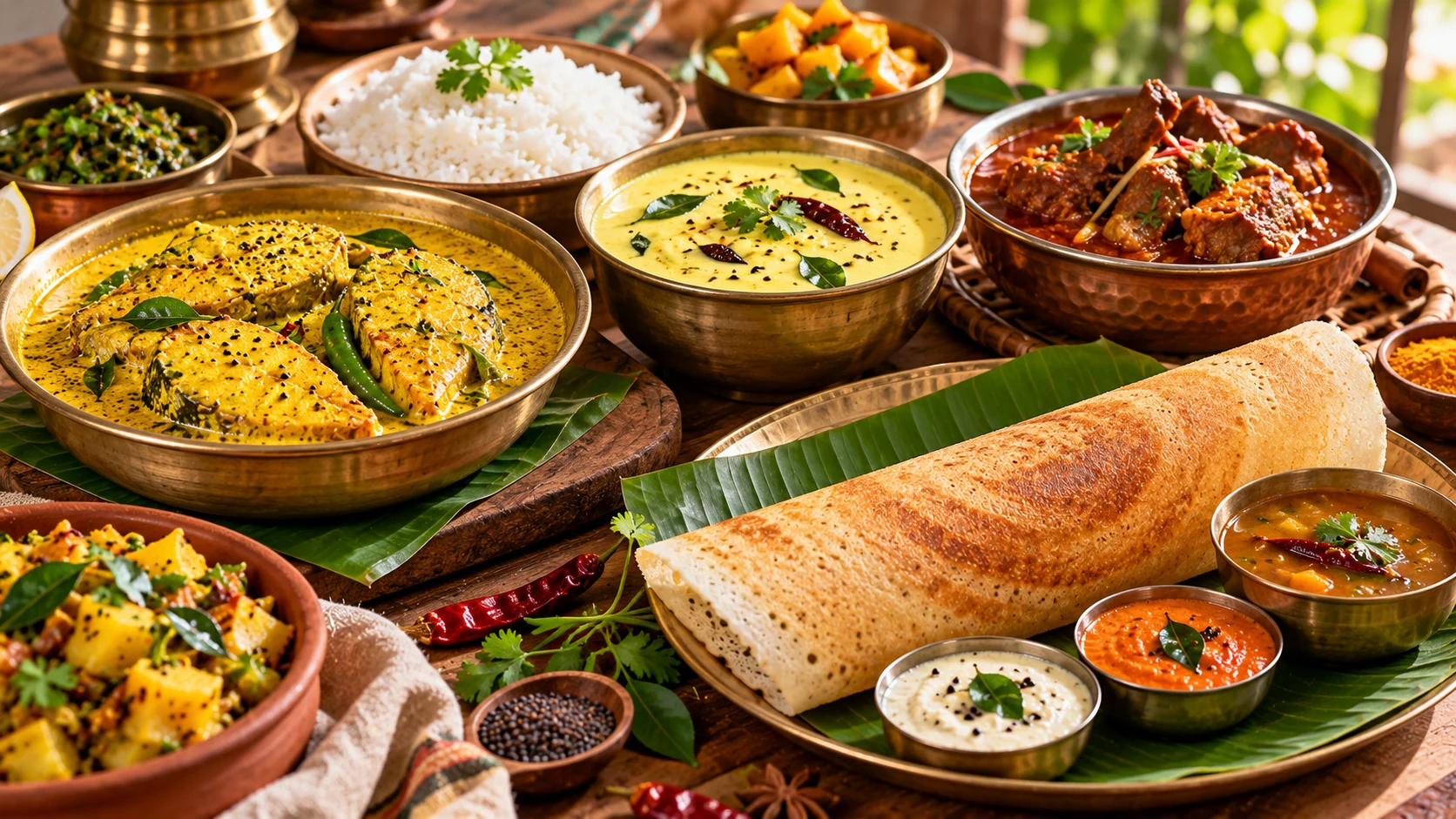
Indian cuisine is famous for its diversity, with every region offering unique ingredients, cooking techniques and traditional recipes. From spicy Andhra pachadi to Bengali fish dishes and Gujarati kadhi, Indian food reflects the culture and culinary traditions of the people who prepare it.
Regional Indian cuisine is receiving renewed attention as food lovers explore authentic flavours beyond familiar restaurant menus. A recent food feature published in October 2026 highlighted how describing every Indian gravy as “curry” can overlook the distinct identities of regional dishes. The Indian Express
This growing interest creates an opportunity to discover traditional recipes, learn about local ingredients and appreciate the stories behind India’s diverse food culture.
1. Why Regional Indian Food Is Gaining Attention
People increasingly enjoy discovering dishes that offer something different from everyday meals. Regional cuisine provides a wide variety of flavours, from tangy and spicy preparations to mild, creamy dishes and aromatic rice recipes.
Food videos, travel content and cooking blogs make it easier to explore recipes from different parts of India. A traditional dish that was once familiar mainly to a local community can now introduce its flavours to a much wider audience.
Authenticity is important when exploring these foods. Understanding a dish’s regional name, ingredients and customary preparation helps preserve its identity instead of treating every recipe as the same combination of spices and gravy.
2. Andhra Cuisine: Bold Spices and Tangy Flavours
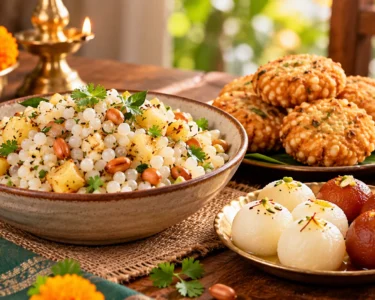
Andhra Pradesh is known for its vibrant food culture, featuring chilli, tamarind, lentils and aromatic spices. Popular dishes include gongura pachadi, pappu, pesarattu and pulihora.
Gongura pachadi is recognised for its distinctive tangy flavour, while pesarattu is a savoury green gram dosa commonly enjoyed with chutney. Pulihora combines rice with tamarind and spices to create a flavourful traditional dish.
These recipes demonstrate how a few carefully balanced ingredients can create distinctive flavours. They also offer food bloggers opportunities to explain regional cooking methods and introduce readers to traditional ingredients.
3. Bengali Cuisine: Fish, Mustard and Delicate Flavours
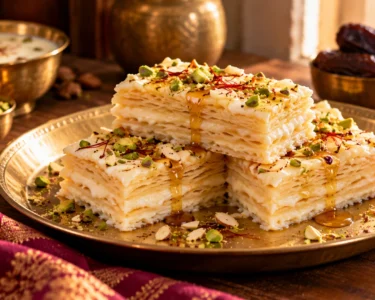
Bengali cuisine is known for its fish preparations, rice dishes, vegetable recipes and sweets. Mustard is an important ingredient in several traditional dishes, contributing a sharp and distinctive flavour.
Shorshe maach, a fish preparation featuring mustard, is one example of Bengal’s culinary identity. Other favourites include shukto, luchi and a variety of milk-based sweets.
Bengali food demonstrates that regional identity comes from more than spice levels. Ingredient combinations, cooking techniques and customary serving styles all contribute to a dish’s character.
4. Gujarati Cuisine: Sweet, Sour and Savoury Combinations
Gujarati cuisine offers a variety of vegetarian dishes that balance different flavours. Dhokla, thepla, undhiyu and kadhi are well-known examples.
Gujarati kadhi is a yoghurt-based preparation that typically combines a tangy flavour with mild spices. Thepla is a seasoned flatbread that can be enjoyed for breakfast, lunch or as a travel-friendly meal.
Seasonal ingredients are especially important in many traditional Gujarati recipes. Exploring these dishes can help home cooks discover alternatives to repetitive everyday menus while learning about the food traditions of western India.
5. South Indian Cuisine Beyond Idli and Dosa
South Indian cuisine includes much more than the familiar idli, dosa and sambar. Different communities prepare distinctive rice dishes, vegetable stews, chutneys, meat preparations and festive meals.
Kerala cuisine features dishes such as avial and appam, while Tamil Nadu offers preparations including pongal, rasam and regional rice varieties. Karnataka is known for foods such as bisi bele bath and ragi mudde.
Although these cuisines share some ingredients, each region has its own preparation methods and flavour combinations. Exploring those differences makes regional cooking an interesting subject for food enthusiasts.
6. Kashmir and Northern India’s Rich Food Traditions
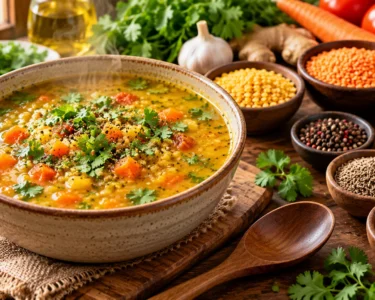
Kashmiri cuisine is recognised for its aromatic spices, traditional rice meals and distinctive meat preparations. Dishes such as rogan josh and yakhni demonstrate the region’s characteristic approach to flavour.
Northern India’s culinary traditions also include a wide variety of breads, lentil dishes, vegetable preparations and slow-cooked recipes. Ingredients and methods differ across communities, making it important to understand each dish within its regional context.
Traditional recipes can provide inspiration for modern kitchens without losing the cultural background that makes them special.
7. How to Explore Regional Recipes at Home
You do not need complicated equipment to begin exploring regional Indian food. Choose one dish, research its traditional ingredients and follow a reliable recipe.
Start with accessible options such as pesarattu, Gujarati kadhi or Bengali-style vegetable dishes. Pay attention to preparation techniques, spice quantities and serving suggestions.
When sharing recipes online, explain where the dish comes from and mention that household methods may vary. Original photographs and clear cooking instructions can help readers understand the recipe and recreate it successfully.
8. The Role of Food Blogging in Preserving Tradition
Food websites and social media creators can help preserve culinary traditions by documenting recipes and sharing regional food stories.
Rather than focusing only on unusual food combinations, creators can explore the history of ingredients, traditional preparation methods and the people who keep these recipes alive.
Using descriptive titles, informative subheadings and relevant keywords can make these articles easier to discover through search engines. Accurate information and respectful presentation help readers appreciate regional cuisine beyond its visual appeal.
Conclusion
Regional Indian cuisine offers an incredible variety of flavours, ingredients and culinary traditions. From Andhra’s tangy chutneys and Bengal’s mustard-based dishes to Gujarati kadhi and Kerala’s vegetable preparations, every region contributes something distinctive to India’s food culture.
Exploring these recipes helps people discover new meal ideas while appreciating the traditions behind them. As interest in authentic food grows, regional Indian cuisine remains an excellent subject for food lovers, home cooks and food websites.
Follow Us On Instagaram