 By
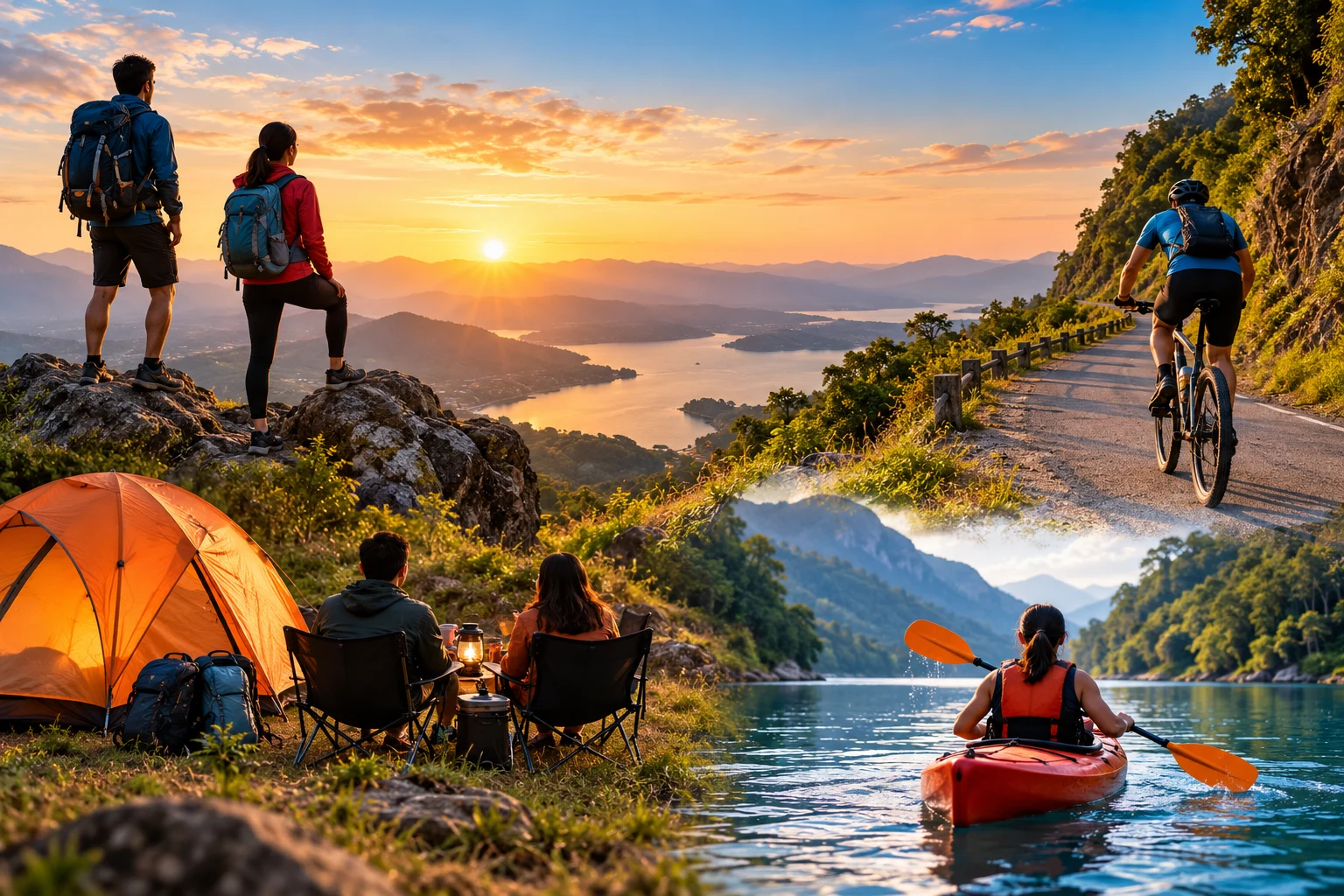
By Micro-adventures are becoming one of the most interesting travel trends of 2026. Instead of waiting months for a long holiday, many travellers are choosing short weekend getaways filled with activities such as mini-treks, camping, cycling, kayaking and nature exploration. These trips usually happen close to home, require less planning and can fit comfortably between Friday evening and Sunday night.
The idea is simple: you do not need to travel thousands of kilometres to experience adventure. A nearby hill, forest, lake, cycling trail or campsite can provide the change of scenery people need without taking several days of leave.
Recent travel-industry data supports this shift. TUI Musement identified local micro-adventures as one of the travel behaviours shaping 2026 and reported that activities designed for local audiences grew by around 47% during 2025.
What Exactly Is a Micro-Adventure?
A micro-adventure is a short and accessible trip that focuses more on experiencing something new than travelling a long distance.
It may last:
- A few hours
- One full day
- One night
- A complete weekend
For example, travellers might start early on Saturday morning, complete a short trek, camp overnight and return home on Sunday.
Other popular micro-adventure ideas include cycling through countryside routes, visiting nearby waterfalls, kayaking on calm waterways, exploring forest trails, watching sunrise from a viewpoint or spending a night at a local campsite.
Recent Indian travel coverage also describes micro-adventures as day trips or weekend breaks that fit more easily around demanding work and personal schedules.
Why Micro-Adventures Are Growing in 2026
Time is one of the biggest reasons behind the growth of short trips.
Planning a traditional holiday can involve flights, accommodation, several days of leave and a detailed itinerary. For students, working professionals and families, arranging everything together may be difficult.
Micro-adventures reduce many of these barriers.
Travellers can choose a destination within a manageable distance and spend most of their available time enjoying the experience rather than travelling.
Short-trip behaviour is appearing in other parts of tourism too. In September 2026, Euronews reported major increases in searches connected with 24-hour European city trips and day tours, illustrating wider interest in making the most of limited travel time.
Mini-Treks Turn an Ordinary Weekend Into an Adventure
Mini-treks are one of the easiest ways to experience the micro-adventure trend.
Unlike long expeditions, these walks can often be completed within a morning or a day. Travellers can explore hills, forest paths, nature reserves or countryside trails without organising a long holiday.
The experience is less about reaching an extreme destination and more about temporarily leaving the normal routine.
A sunrise trek can be especially appealing because travellers can start early, enjoy cooler weather where appropriate and still have much of the weekend available afterward.
However, travellers should always use recognised routes, check local weather and access conditions, carry sufficient water and follow local safety guidance.
Local Camping Offers a Quick Escape
Camping is another activity closely connected with micro-adventures.
An overnight campsite can provide a completely different environment without requiring a week-long journey. Travellers can arrive in the evening, spend time outdoors and return the following morning or afternoon.
Camping can also work well for groups and families looking for simple outdoor experiences.
Choosing authorised campsites is important. Travellers should check local rules, weather forecasts and fire restrictions before visiting and avoid damaging natural areas.
The objective of responsible micro-adventure travel should be to enjoy a destination while leaving it as clean as it was before the visit.
Cycling Makes Nearby Places Feel New
Cycling can transform familiar surroundings into a travel experience.
Instead of driving directly to a destination, travellers can select a scenic cycling route connecting villages, lakes, parks or countryside areas.
A cycling micro-adventure might involve a morning ride of a comfortable distance, breakfast at a local location and a return journey later in the day.
It can also encourage travellers to discover places they would normally pass without noticing.
The route should match the cyclist’s experience level, and helmets, visible clothing, hydration and normal road-safety rules remain important.
Kayaking Adds Adventure to Short Trips
Where safe, regulated facilities are available, kayaking can make a weekend escape more memorable.
Lakes, reservoirs and calm coastal or river locations sometimes offer supervised kayaking experiences that can be completed within a few hours.
Beginners should choose organised operators with appropriate safety equipment and instruction rather than entering unfamiliar water independently.
This fits perfectly with the micro-adventure philosophy: the activity itself becomes the reason for travelling.
Instead of asking only, “Which destination should I visit?”, travellers increasingly look for experiences they can participate in once they arrive.
Why Local Travel Can Be More Affordable
Cost is another reason short-distance adventures can appeal to travellers.
Long holidays may include airfare, multiple hotel nights, airport transfers and other major expenses. A nearby weekend trip can remove some of these costs.
Travellers may instead spend on a local guide, campsite, bicycle rental, kayaking session or local food.
This can also benefit smaller tourism businesses near cities and regional destinations.
Micro-adventures therefore create opportunities not only for travellers but also for local guides, activity providers, homestays and cafés.
How Micro-Adventures Can Support Responsible Tourism
Travelling closer to home can encourage people to discover natural attractions and communities they previously overlooked.
Rather than concentrating every holiday around famous tourist destinations, travellers can explore lesser-known nearby locations.
However, increased popularity brings responsibility.
Visitors should:
- Follow marked trails.
- Avoid leaving plastic or other waste.
- Respect wildlife and protected areas.
- Follow campsite and park regulations.
- Support responsible local operators.
- Avoid overcrowded or restricted locations.
- Check weather and official safety information before outdoor activities.
Small adventures should leave a small environmental footprint as well.
The Future of Weekend Travel
Micro-adventures are unlikely to replace long holidays. Instead, they offer another way to travel.
Someone might still plan one major holiday each year while enjoying several short escapes between larger trips.
That flexibility is one of the strongest reasons behind the trend.
TUI Musement’s 2026 travel outlook points toward increasingly personalised, experience-driven travel, with local micro-adventures forming part of that change.
For people with limited free time, the attraction is easy to understand. Adventure no longer needs to begin at an airport. Sometimes it starts with a nearby trail, campsite, cycle route or lake and just one free weekend.
Micro-adventures show that meaningful travel is not always determined by how far we go or how many days we spend away. Sometimes a small change of place, a new outdoor activity and a few hours away from routine are enough to make a weekend memorable.