 By
By Why Application Security Is Critical in 2026
In today’s digital world, applications power everything—from banking platforms and e-commerce websites to mobile apps and cloud-based business systems. As software becomes the backbone of modern operations, protecting applications from cyber threats has become one of the most important priorities in cybersecurity.
Application security, often called AppSec, focuses on protecting software from attacks, vulnerabilities, and malicious exploitation throughout its entire lifecycle. This includes everything from the design and development phase to testing, deployment, and ongoing maintenance.
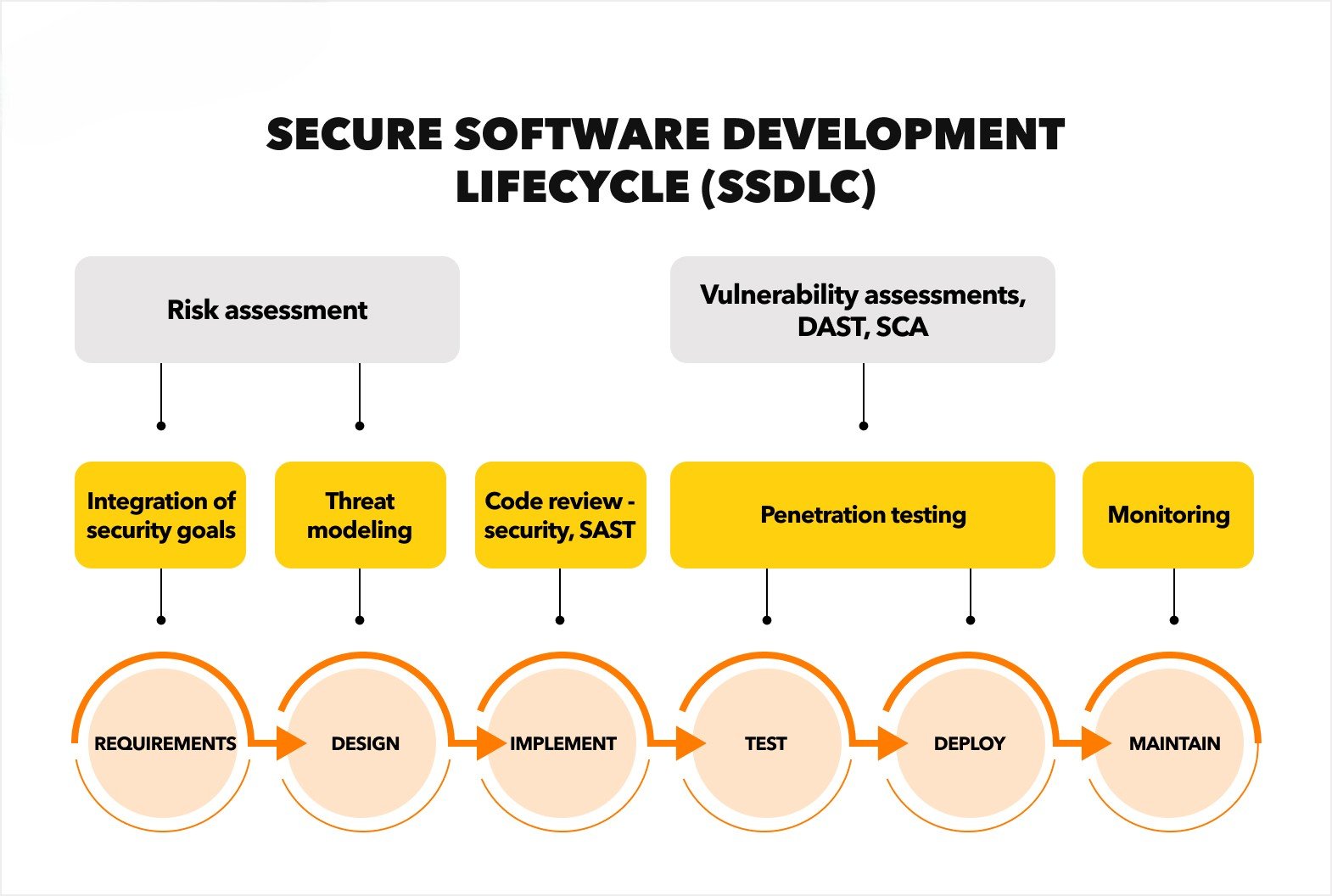
One of the biggest trends in 2026 is the shift toward security-first software development, where protection is built into the development process instead of being added after deployment. This modern approach is commonly known as DevSecOps, where security is integrated into every stage of the software development lifecycle. Industry reports show that application security is no longer a final-stage checklist—it now starts the moment code is written.
A key pillar of application security is secure coding practices. Developers must write code that prevents common vulnerabilities such as SQL injection, cross-site scripting (XSS), broken authentication, insecure APIs, and access control flaws. Secure coding means validating user input, using prepared statements, implementing strong authentication, and following frameworks such as the OWASP Top 10.
Even in 2026, poor coding practices continue to be a major cause of software breaches. SQL injection and authentication flaws remain among the most exploited vulnerabilities in web applications.
Another major trend is automated code scanning and vulnerability detection. Modern development teams increasingly use tools such as SAST (Static Application Security Testing) and DAST (Dynamic Application Security Testing).
- SAST scans source code before deployment
- DAST tests running applications in real-world environments
- SCA (Software Composition Analysis) checks open-source libraries and dependencies for known risks
These tools help teams identify vulnerabilities early, reducing both remediation cost and breach risk.
One of the most trending topics this year is AI-powered code scanning. AI-based security tools can now detect insecure patterns, suggest fixes in real time, and even recommend safer code alternatives while developers are writing software. Security vendors report that AI remediation tools are drastically reducing vulnerability fix times from days to minutes.
Penetration testing is another critical area of modern application security. Pen testing simulates real-world cyberattacks by ethical hackers who attempt to exploit weaknesses before malicious attackers do. This process helps uncover business logic flaws, authentication bypasses, API weaknesses, and privilege escalation issues that automated tools may miss.
Recent security best-practice reports emphasize that regular penetration testing is essential for modern software applications, especially web apps and cloud platforms.
Another rising trend is dependency and supply chain security. Modern applications rely heavily on third-party libraries, APIs, and open-source packages. A vulnerability in just one dependency can expose the entire application to risk. This is why organizations now perform continuous dependency scanning and automated patch management as part of their AppSec strategy.
The growing use of AI-generated code has also introduced new challenges. While AI coding tools improve productivity, security experts warn that AI-generated code may unintentionally introduce vulnerabilities if not properly reviewed. Recent reports show that insecure AI-generated code remains a significant risk in production environments.
The future of application security is moving toward continuous monitoring, automated remediation, and proactive risk detection. Instead of waiting for breaches to happen, organizations are now focusing on identifying risks early and fixing them before attackers can exploit them.
Whether it is a website, mobile app, SaaS platform, or enterprise software system, application security is no longer optional—it is essential for protecting customer trust, business continuity, and sensitive data.
From secure coding practices and penetration testing to code scanning and vulnerability fixes, every layer of application security plays a vital role in building resilient software in 2026.