 By
By Why Physical Security Is More Important Than Ever in 2026
In today’s fast-evolving world, physical security has become a top priority for businesses, residential complexes, offices, and public buildings. As security threats continue to grow, organizations are investing in smarter and more advanced systems to protect people, assets, and infrastructure.
Physical security refers to the protection of buildings, equipment, employees, and visitors from unauthorized access, theft, vandalism, fire hazards, and other physical threats. Traditional systems such as locks, security guards, fences, and fire alarms still play a crucial role, but modern trends are transforming the industry through technology-driven solutions.
One of the biggest trends in 2026 is the rise of AI-powered CCTV surveillance systems. Unlike traditional cameras that only record footage, smart CCTV systems can now detect suspicious movement, recognize faces, monitor restricted areas, and send instant alerts to security teams. These intelligent systems reduce response time and help prevent incidents before they escalate. AI-driven surveillance and real-time threat detection are among the biggest security trends this year.
Another major trend is smart locks and access control systems. Traditional keys are increasingly being replaced by digital locks, RFID cards, mobile access apps, and cloud-based control systems. Smart locks allow building administrators to grant or revoke access remotely, making them highly effective for offices, apartments, and commercial spaces.
Biometric access control is also gaining significant popularity. Fingerprint scanners, facial recognition systems, and iris scanning technology are now widely used in corporate buildings, hospitals, and high-security facilities. Biometrics provide a higher level of protection because access is linked directly to an individual’s unique identity, reducing the risks associated with lost keys or stolen access cards.
Security personnel still remain a critical part of physical security. While technology continues to improve, trained security guards provide human judgment, rapid intervention, and on-ground monitoring that machines cannot fully replace. In many organizations, the most effective approach is a combination of trained guards and advanced surveillance systems.
Perimeter protection is another essential component of modern physical security. Fences, gates, barriers, motion sensors, and intrusion detection systems help protect the outer boundaries of a property. Businesses are now integrating these systems with centralized monitoring dashboards, allowing real-time visibility across multiple locations. Unified security platforms are becoming a major trend in commercial security.
Fire safety systems are equally important in any physical security strategy. Smart fire alarms and smoke detection systems now come with automated alerts, emergency evacuation triggers, and remote monitoring capabilities. Many modern systems can instantly notify emergency services, reducing potential damage and saving lives.
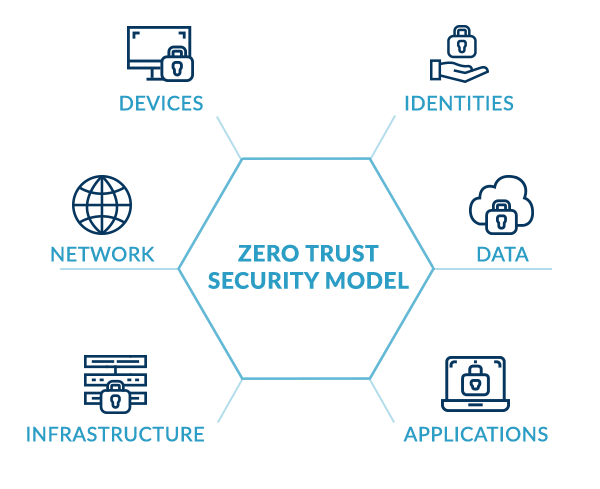
Another fast-growing trend is the integration of physical security with cybersecurity. Smart devices such as CCTV cameras, biometric scanners, and IoT-enabled locks are connected to networks, making them vulnerable to cyber threats if not properly secured. Businesses are increasingly adopting a combined physical and digital security strategy to ensure complete protection. Experts note that smart locks and surveillance systems now require secure network architecture and regular updates.
The future of physical security lies in automation, predictive intelligence, and integrated monitoring systems. From AI surveillance to cloud-managed access control, modern solutions are shifting from reactive security to proactive threat prevention.
Whether it is a corporate office, residential building, warehouse, hospital, or educational institution, investing in strong physical security measures is no longer optional—it is essential.
As threats evolve, so must security systems. The combination of locks, guards, CCTV cameras, fire alarms, fences, and biometric access creates a comprehensive defense strategy that ensures safety, trust, and business continuity.