

 By
By Why the Purple Yam That Took Over Cafés and Desserts Is Becoming a Global Food-Industry Story
The bright purple ube, or purple yam, has moved far beyond its traditional Filipino roots. In recent years, its distinctive colour and mildly sweet, earthy flavour have made it popular in ice creams, cakes, cookies, lattes, pastries, pancakes and other modern desserts.
But in September 2026, ube is making headlines for another reason: the Philippines has indefinitely suspended exports of fresh ube because the country needs more planting material to increase domestic production.
This creates an unusual situation for a food trend: global demand is rising at the same time that the supply of the original ingredient is under pressure.
🌎 From Filipino Dessert to Global Ingredient
Ube Has Become More Than a Traditional Ingredient
Ube has long been an important ingredient in Filipino cuisine, particularly in desserts such as ube halaya, ice cream, cakes and pastries.
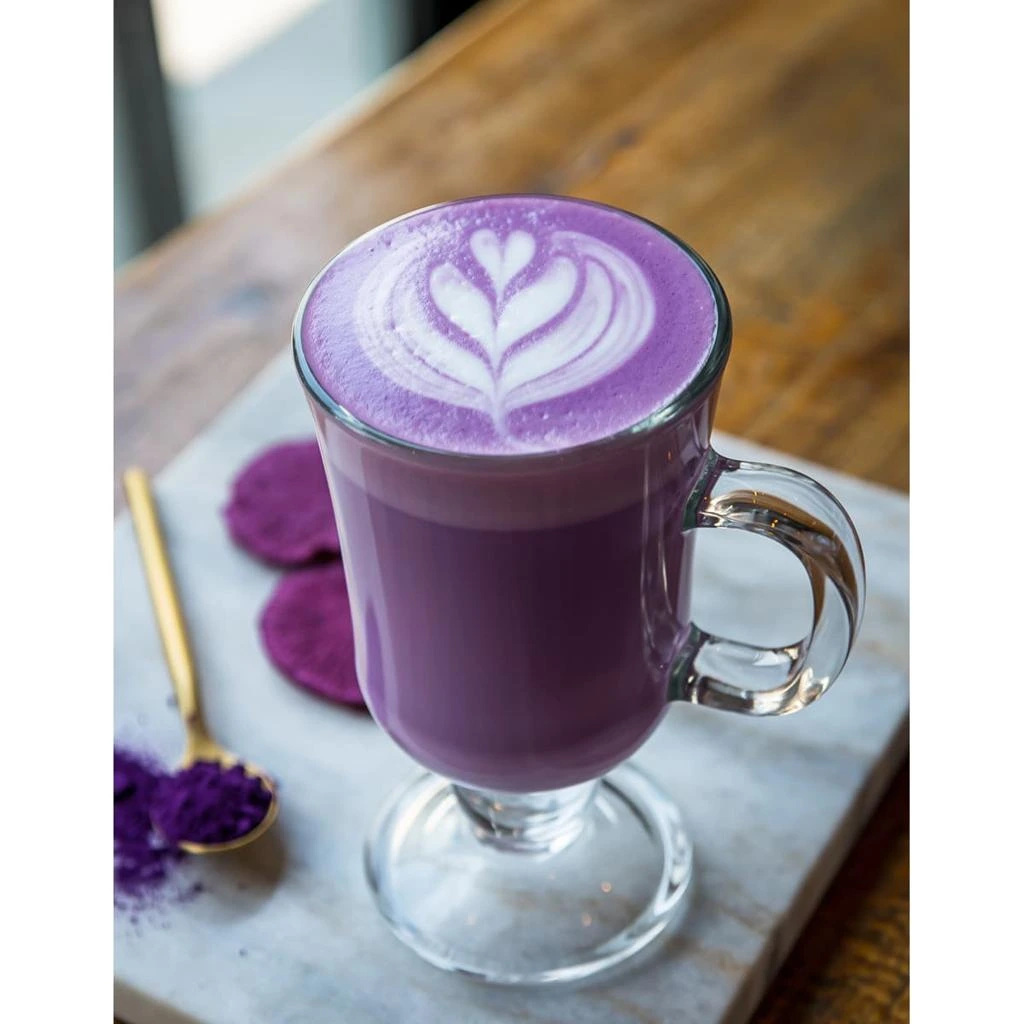
Its natural purple colour has also made it highly attractive to modern cafés and bakeries. International food businesses have increasingly used ube in drinks, desserts and bakery products.
The Philippine Department of Agriculture says demand is growing for fresh ube as well as processed forms such as powder, halaya, jam and paste, with markets including Canada, the Middle East and parts of Asia. The US, Europe and South Korea are also identified as potential growth markets.
Why Consumers Love Ube
Ube has several characteristics that make it particularly suitable for social-media-driven food culture:
- 💜 Naturally striking purple colour
- 🍠 Mildly sweet, earthy flavour
- 🥛 Works well in milk-based drinks
- 🍦 Easy to incorporate into ice cream
- 🧁 Suitable for cakes and pastries
- ☕ Works in modern café beverages
- 📸 Highly photogenic for social media
This combination of taste + colour + cultural identity has helped turn ube into a recognisable global food trend.
🚨 Why Is Fresh Ube Supply Under Pressure?
The Problem Starts With Planting Material
According to the Philippines Department of Agriculture, the country does not currently have enough quality planting material to expand production quickly.
The government therefore suspended exports of fresh purple yam and propagative planting materials. The objective is to retain planting material within the Philippines while increasing domestic production.
The restriction does not mean that every ube product is disappearing from international markets.
Processed and frozen ube products can still serve overseas businesses, which is important because many international cafés and bakeries already rely on processed ingredients rather than fresh roots.
🏭 From Viral Ingredient to Serious Food Business
Ube Is Becoming an Agricultural Industry
What makes the current ube story interesting is that it is no longer simply about a viral dessert.
The Philippine government is actively trying to develop ube into a larger agricultural and export industry.
Earlier in 2026, the Department of Agriculture reported that more than 60,000 planting materials were distributed to farmers in Leyte and Bohol as part of efforts to expand production.
The government has also supported the formation of United Ube PH, bringing together farmers, processors, exporters, researchers and other stakeholders.
The Bigger Goal
The strategy is essentially:
More planting material → more farmers → higher production → stronger processing industry → larger export market.
That could eventually make ube a much more structured global ingredient rather than simply a social-media food trend.
🍰 What Could This Mean for Cafés and Bakeries?
The Ube Trend May Become More Expensive
Restaurants and cafés that use fresh Philippine ube could face higher sourcing costs if supply becomes tighter.
Some businesses may increasingly use:
- Frozen ube
- Ube powder
- Ube paste
- Ube flavour concentrates
- Locally cultivated purple yam varieties
This could encourage food manufacturers to develop more stable ube-based ingredients that can be transported and stored more easily.
Ube Could Move Into More Food Categories
The trend isn’t limited to desserts.
Food companies can potentially use ube in:
- 🥐 Croissants
- 🍞 Breads
- 🍪 Cookies
- 🥞 Pancakes
- 🧋 Milkshakes
- ☕ Lattes
- 🍦 Ice cream
- 🍰 Cakes
- 🥣 Breakfast products
- 🍫 Confectionery
The natural purple colour also gives manufacturers a strong visual identity without needing an artificial-looking appearance.
🇵🇭 Why This Story Matters Beyond Ube
Food Trends Can Change Agricultural Markets
The ube story shows how a food can travel from a traditional local ingredient to a global trend.
When international consumers discover a regional ingredient, demand can grow much faster than agricultural production capacity.
That creates opportunities for farmers and food companies—but it can also create supply shortages, higher prices and pressure to build stronger farming systems.
The Philippine government has already identified ube as a potential high-value agricultural export and is working on production, research, processing and industry coordination.
📌 Key Ube Facts
- Origin: Philippines and wider Southeast Asian culinary traditions
- Also known as: Purple yam
- Colour: Naturally purple
- Popular uses: Ice cream, cakes, pastries, halaya, drinks and bakery products
- Current development: Growing international demand
- Major current issue: Limited planting material
- Philippine response: Suspension of fresh ube exports and expansion of domestic production
- Alternative international supply: Frozen and processed ube products
- Future opportunity: Larger global processed-food and ingredient market
🔮 What Happens Next?
The Purple Food Trend May Be Entering Its Next Stage
Ube’s first stage was viral discovery.
The next stage could be industrialisation.
Instead of appearing only as an Instagram-friendly purple dessert, ube could become a more established ingredient supplied through powders, frozen products, pastes and other processed formats.
At the same time, Philippine authorities are trying to increase planting material and production so that farmers can benefit from the growing global demand.
💡 Final Takeaway
Ube Shows How a Local Food Can Become a Global Commodity
The ube boom is an interesting example of how modern food culture works.
A traditional ingredient can become internationally popular because of its flavour, appearance, cultural story and social-media appeal. But once demand becomes global, agriculture has to catch up.
For now, the purple yam trend is continuing—but the bigger story is happening behind the dessert counter: who grows it, who controls the supply, and how the industry can produce enough ube for the world.
Trending News Guru takeaway:
💜 Ube isn’t just a purple dessert trend anymore. It is becoming a global food-industry story.
Follow Us On Instagaram