

 By
By Description:
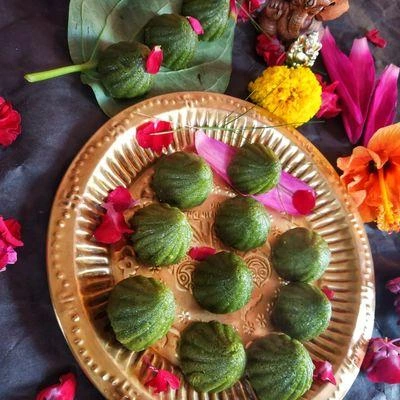
As India moves deeper into the festive season, the traditional modak is getting a contemporary makeover. Alongside classics such as Ukadiche Modak, newer versions featuring chocolate, paan and other fusion flavours are attracting attention, showing how Indian festive food is evolving without completely leaving its traditional roots. Recent Google Search data reported by The Times of India highlights this growing interest.
What is happening with modak?
- Modak has traditionally been associated with Ganesh Chaturthi, particularly in Maharashtra.
- Classic versions include:
- Ukadiche Modak
- Fried Modak
- Coconut-jaggery Modak
- Dry-fruit Modak
- This year, searches are increasingly extending toward modern interpretations.
- Reported rising interests include chocolate and paan-flavoured modaks, alongside regional preparations such as Kozhukattai and Andhra’s Kudumulu.
Why is the trend growing?
- Younger consumers are interested in traditional foods but also want new flavours.
- Social media makes visually attractive sweets easier to discover and recreate.
- Home cooks are experimenting with:
- Chocolate
- Paan
- Pistachio
- Rose
- Mango
- Dry fruits
- Nut butters
- This creates a simple formula: traditional shape + familiar Indian flavour + modern ingredient.
The chocolate modak effect
- Chocolate is one of the easiest ingredients to introduce into traditional Indian sweets.
- It works particularly well with:
- Coconut
- Cashews
- Almonds
- Pistachios
- Khoya
- Dates
- Chocolate modaks can also appeal to children and consumers who normally wouldn’t choose conventional coconut-jaggery sweets.
Paan becomes a dessert flavour
- Paan-inspired desserts have already moved beyond traditional paan shops into:
- Ice creams
- Cakes
- Kulfi
- Chocolates
- Mousses
- Milkshakes
- Using paan flavours in modak continues this broader Indian dessert trend.
- The combination can include betel-leaf flavour, gulkand, fennel, coconut and nuts.
Traditional recipes are still important
- The rise of fusion modaks doesn’t mean traditional versions are disappearing.
- Ukadiche Modak remains an important regional preparation.
- It is made using a steamed rice-flour outer layer with a filling commonly based on coconut and jaggery.
- The continued popularity of regional versions alongside fusion recipes shows that consumers can want both authenticity and experimentation.
AI is changing how people discover recipes
- An interesting part of this year’s trend is the growing use of digital tools to discover food ideas.
- Consumers can now search for combinations such as:
- “10-minute chocolate modak”
- “healthy modak without sugar”
- “protein modak”
- “air-fryer modak”
- “no-cook modak”
- AI recipe tools can also generate variations based on available ingredients.
- This makes experimentation easier for home cooks.
The business opportunity
Festive sweets represent a major seasonal opportunity for:
- Sweet shops
- Bakeries
- Home bakers
- Cloud kitchens
- Premium gifting companies
- Supermarkets
- Quick-commerce platforms
Modern modaks can be positioned as:
- Festive gift boxes
- Premium assorted boxes
- Corporate gifts
- Kids’ collections
- Luxury dry-fruit versions
- Regional-specialty boxes
The trend also fits India’s broader restaurant movement toward regional foods presented with contemporary techniques and global influences. Recent Indian restaurant launches are showing similar experimentation across Asian, Mexican and other international flavours.
Is fusion always better?
Not necessarily.
- A chocolate modak may attract a new audience, but that doesn’t make it an improvement over an authentic Ukadiche Modak.
- Fusion works when the new flavour complements the original structure and cultural context.
- If too many ingredients are added simply for novelty, the original character of the sweet can disappear.
The opportunity is therefore not to replace tradition, but to create another version of it.
What this tells us about India’s food culture
India’s food trends increasingly follow a “heritage + experimentation” model.
The same pattern can be seen with:
- Regional Indian breads becoming restaurant dishes
- Traditional pickles becoming gourmet products
- Millets appearing in modern snacks
- Indian spices entering global desserts
- Street food being presented in premium restaurants
Food companies and chefs are discovering that consumers don’t necessarily want completely unfamiliar food. They often want something recognisable with one surprising element.
Strong takeaway
The new modak trend isn’t about choosing traditional versus modern. It’s about giving a familiar festive food new reasons to be discovered.
Chocolate, paan, pistachio and other flavours may bring younger consumers toward modak, while traditional coconut-jaggery and regional recipes keep the cultural connection alive.
The strongest festive food trend may be the simplest one: keep the identity of the dish, but don’t be afraid to experiment with the flavour.
Follow Us On Instagaram