

 By
By Description:
India’s dairy market is moving beyond traditional milk. Consumers are increasingly looking for protein-rich paneer, Greek yogurt, probiotic products, high-protein dairy snacks and other functional foods. The shift combines India’s traditional dairy culture with the growing demand for convenient nutrition.
What is driving the trend?
- Protein has become one of the biggest talking points in India’s food market.
- Consumers are increasingly checking protein content when buying everyday foods.
- Instead of completely changing traditional diets, many brands are adding protein-focused options to familiar categories.
- Dairy is particularly suited to this shift because milk, curd, paneer and yogurt are already common in Indian households.
Why paneer is getting renewed attention
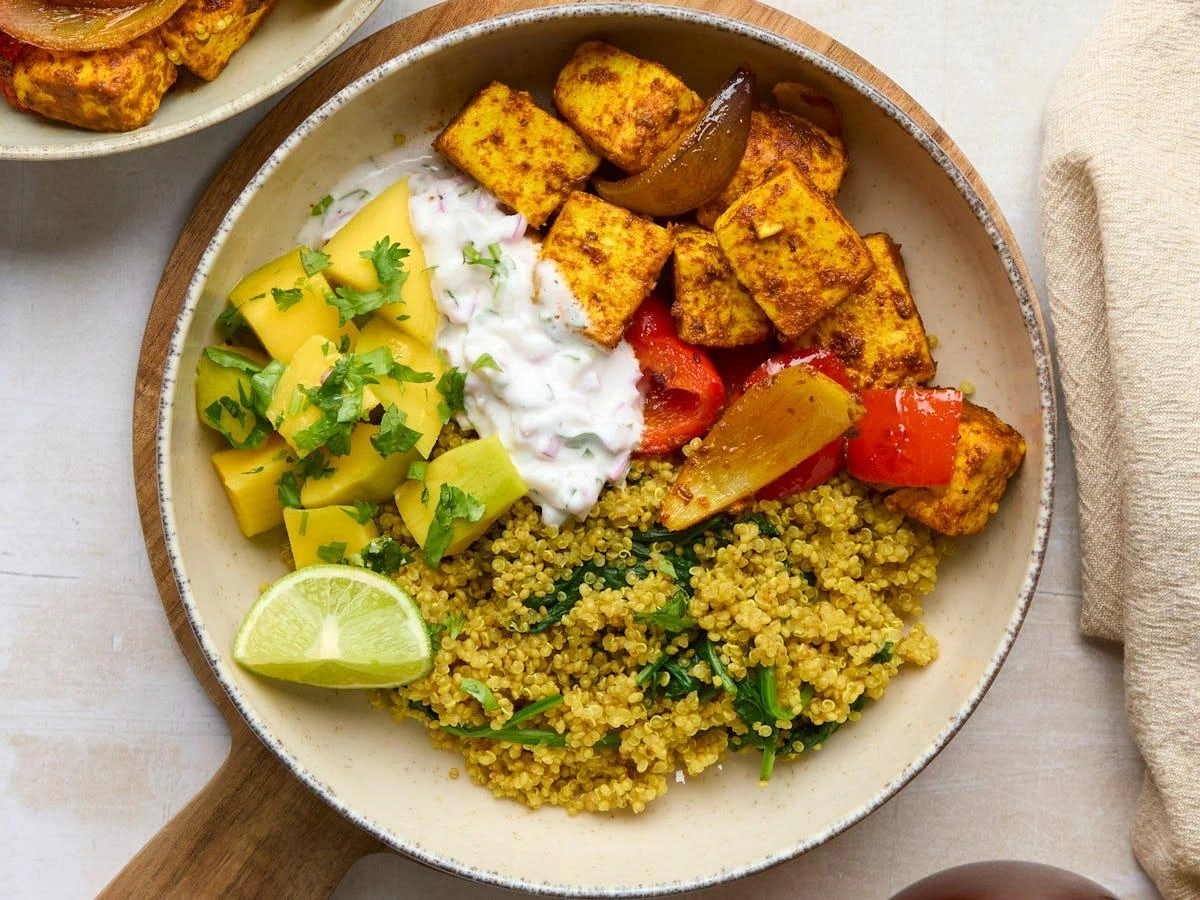
- Paneer has traditionally been an important vegetarian protein source.
- It can be used in:
- Curries
- Wraps
- Salads
- Sandwiches
- Breakfast bowls
- Grilled dishes
- The new trend is seeing consumers pay more attention to protein quantity, portion size and product formulation, rather than simply considering paneer a vegetarian food.
Greek yogurt and protein yogurt
- Yogurt is also being repositioned as a convenient protein-rich food.
- Greek-style yogurt can fit into:
- Breakfast bowls
- Smoothies
- Fruit-and-yogurt snacks
- Dips
- High-protein desserts
- The broader Indian F&B market is seeing increased interest in protein-rich and gut-health-oriented products.
The interesting part: traditional food meets modern nutrition
This trend isn’t simply about importing Western diet culture.
Indian households already have many protein-containing foods:
- Curd
- Paneer
- Milk
- Dal
- Chana
- Rajma
- Eggs
- Fish
- Chicken
- Soy products
- Nuts and seeds
The newer trend is about making protein more visible and convenient in everyday meals.
What the dairy industry is changing
India’s dairy businesses are increasingly moving toward value-added products rather than depending only on ordinary milk.
Current product innovation includes:
- High-protein paneer
- Greek yogurt
- Probiotic dairy
- A2 milk
- Low-calorie ice cream
- Gourmet cheese
- Protein-focused dairy snacks
The Financial Express reports that rising health awareness, disposable income and demand for protein-rich nutrition are pushing India’s dairy industry toward these categories.
The gut-health connection
Protein isn’t the only reason dairy is trending.
Consumers are also interested in probiotics and digestive health.
- Curd and fermented dairy foods have long been part of Indian diets.
- Modern food brands are now packaging these familiar concepts as functional nutrition products.
- The global digestive-health market is also moving toward more specific, science-backed claims rather than simply using the phrase “gut health” as a marketing buzzword.
But there is an important catch
A product saying “high protein” doesn’t automatically make it healthy.
Consumers should still look at:
- Added sugar
- Total calories
- Saturated fat
- Sodium
- Ingredient list
- Actual protein per serving
- Portion size
A protein cookie or protein dessert can still be highly processed.
That is where the current protein trend can become misleading: protein quantity is only one part of nutritional quality.
Why this matters for Indian consumers
India has a very diverse nutritional landscape.
Some people need more nutrient-dense foods because their diets lack adequate protein or overall calories, while others are dealing with excess calorie intake.
The government’s Rashtriya Poshan Maah 2026 is also highlighting balanced, protein-rich nutrition as part of India’s broader nutrition efforts.
So the practical goal isn’t simply:
“Eat more protein.”
It is:
“Build a balanced meal that contains enough protein alongside vegetables, fruits, whole grains, fibre and appropriate fats.”
How this trend could change Indian breakfasts
Traditional breakfasts may increasingly receive protein-focused upgrades:
- Idli + sambar + curd
- Dosa + egg
- Vegetable upma + curd
- Poha + peanuts + yogurt
- Ragi dosa + paneer/egg
- Oats + Greek yogurt + fruit
- Paratha + curd + protein-rich filling
This approach doesn’t require abandoning Indian food.
Instead, familiar dishes can be rebalanced.
Business opportunity
For food companies, this trend creates opportunities across several categories:
- Ready-to-eat breakfasts
- Protein snacks
- Dairy beverages
- Yogurt
- Paneer
- Ice cream
- Kids’ nutrition products
- Sports nutrition
- Functional beverages
Quick-commerce platforms are also making specialised food products easier to discover and purchase, accelerating the shift from traditional grocery buying toward convenience-driven nutrition.
What consumers should watch
The biggest risk is protein marketing becoming the next “superfood” marketing cycle.
Not every person needs expensive protein products.
For many Indians, affordable foods such as:
- Dal
- Chana
- Eggs
- Milk
- Curd
- Paneer
- Soy
- Peanuts
can already contribute substantially to a balanced diet.
The premium product isn’t automatically better.
Strong takeaway
India’s protein trend is not really about replacing traditional food—it is about upgrading it.
The interesting opportunity is where Indian staples + modern nutrition + convenience meet.
From paneer and curd to Greek yogurt and protein-focused snacks, the next phase of India’s food market could be less about exotic superfoods and more about making everyday Indian foods nutritionally smarter and easier to consume.
Follow Us On Instagaram