

 By
By From Fish & Chips to Neapolitan Pizza — Why Kerala’s Food Scene Is Becoming More Global
Kerala has always been famous for its rich food culture — appam and stew, puttu and kadala, seafood, biryani, Malabar snacks and traditional home cooking.
But a new food movement is becoming visible across Kerala.
People who have spent years working or living abroad are returning home with new culinary experiences, restaurant ideas and international food preferences. Instead of simply bringing foreign food back to their homes, some are turning those experiences into new restaurants and food businesses.
A September 28, 2026 report from The Times of India highlighted how returnees are influencing Kerala’s restaurant scene, with concepts including fish and chips, Neapolitan pizza and Arabian food appearing alongside the state’s traditional cuisine.
This is creating an interesting new question:
Can international food become part of Kerala’s local food identity?
🍕 From Kerala to the World — and Back Again
Migration Is Influencing What People Eat
Kerala has a long history of migration, particularly to Gulf countries and other parts of the world.
People who spend years abroad experience different cuisines, restaurant formats and cooking styles.
When some of them return, they bring those experiences with them.
Instead of opening another conventional restaurant, they may ask:
“Why can’t we create the food we enjoyed abroad here in Kerala?”
That idea is contributing to a new generation of restaurants.
The result is not necessarily a replacement of Kerala cuisine. Instead, international dishes are being added to the existing food landscape.
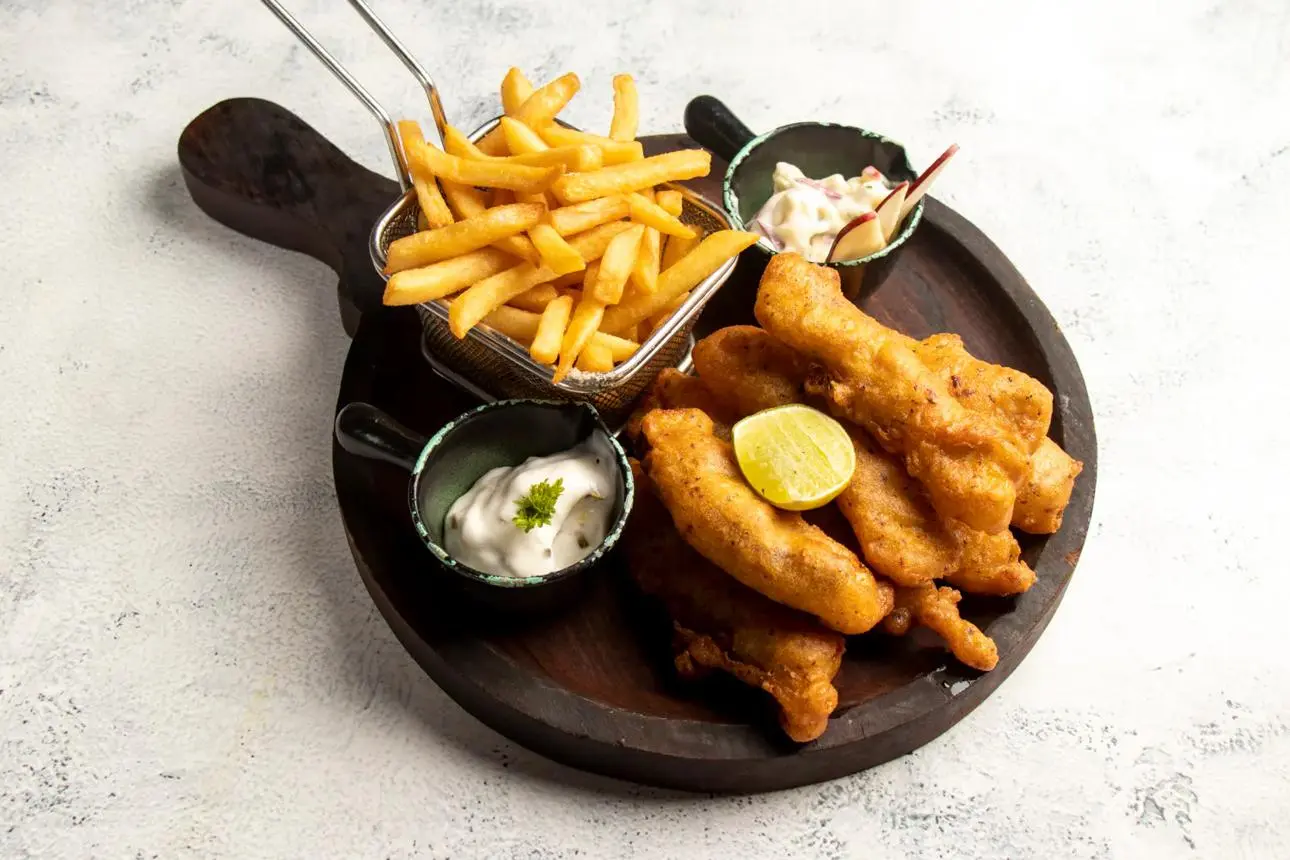
🍟 Fish & Chips Gets a Kerala Address
A British Classic Meets a Kerala Food Culture
Fish and chips may have originated in Britain, but seafood is deeply connected to Kerala’s culinary identity.
Kerala’s long coastline means fish is already an everyday ingredient for many communities.
That makes seafood-based international dishes easier to introduce.
A restaurant serving fish and chips in Kerala is therefore not introducing an entirely unfamiliar ingredient.
Instead, it is combining a familiar local ingredient with a foreign preparation style.
This type of crossover can make international food more approachable for local consumers.
🍕 Neapolitan Pizza Is Finding New Customers
Pizza Is No Longer Just a Fast-Food Item
Pizza has been popular in India for decades.
But newer restaurants are increasingly moving towards more specialised versions, including Neapolitan-style pizza.
The focus is often on:
- Fresh dough
- High-temperature baking
- Simple toppings
- Tomato-based sauces
- Quality cheese
- Thin, soft crusts
- Traditional preparation techniques
In Kerala, this creates an interesting contrast.
A region known for parotta, appam and dosa is also developing an audience for carefully prepared European-style breads and pizzas.
🥘 Arabian Food Continues to Influence Kerala
The Gulf Connection Is Especially Strong
Arabian food has a particularly strong connection with Kerala because of the state’s long-standing links with Gulf countries.
Dishes and styles such as:
- Mandi
- Shawarma
- Arabic grilled meats
- Kunafa
- Hummus
- Mutabbal
- Arabian rice dishes
have already become familiar to many Kerala consumers.
The current change is that these foods are increasingly becoming part of a broader restaurant ecosystem rather than being treated only as imported Gulf-style food.
🌍 Why This Food Trend Is Different
It Is Not Simply “Western Food Becoming Popular”
The interesting part of Kerala’s current food movement is the direction of cultural exchange.
It isn’t just an international chain entering India.
Local entrepreneurs are taking food experiences they encountered abroad and adapting them to their own cities.
That means the final dish may still be influenced by:
- Local ingredients
- Indian spice preferences
- Kerala seafood
- Regional eating habits
- Local pricing
- Indian restaurant culture
This creates what can be described as a global-local food model.
🌶️ Global Food Meets Local Taste
Adaptation Is Often the Secret to Success
International dishes rarely remain completely unchanged when they enter a new food culture.
For example, a pizza restaurant in Kerala may experiment with ingredients familiar to local consumers.
Similarly, seafood dishes can incorporate locally available fish rather than relying entirely on imported ingredients.
This adaptation can make a foreign dish feel less foreign.
The broader food industry is also seeing increased interest in global flavours combined with local innovation, with consumers continuing to explore international cuisines while businesses adapt them for different markets.
👨🍳 Returnees Are Becoming Food Entrepreneurs
Migration Can Create More Than Just Remittances
The Kerala story also highlights a broader business trend.
People who work abroad don’t only return with money.
They can return with:
- Restaurant experience
- Knowledge of international cuisines
- Understanding of customer service
- Exposure to food presentation
- Ideas about restaurant design
- Experience with different business models
When these experiences are combined with local knowledge, they can create new food businesses.
That makes food entrepreneurship another interesting outcome of international migration.
🇮🇳 What This Means for Indian Food Culture
Regional Cuisine Is Becoming More Connected to the World
India’s food culture is not standing still.
Cities across India are increasingly seeing restaurants that combine:
Local ingredients + international techniques + regional preferences.
Recent September–October restaurant launches across India also show restaurants experimenting with global dishes, tasting experiences and reimagined regional favourites as the festive season approaches.
Kerala’s food scene is therefore part of a much larger Indian movement.
📈 Why Restaurants Are Following This Model
Consumers Want Familiarity and Discovery Together
A completely unfamiliar cuisine can sometimes feel risky to customers.
But a familiar ingredient prepared differently can be much easier to try.
For example:
Fish → Fish & Chips
Wheat → Neapolitan Pizza
Rice + Meat → Arabian-style rice dishes
The ingredient may be familiar even when the preparation is new.
This gives restaurants a way to offer customers something different without making the entire experience unfamiliar.
🔥 5 Food Ideas This Trend Could Inspire
What Could Come Next?
1. Kerala Seafood Pizza
Local seafood combined with Italian-style pizza techniques.
2. Kerala-Style Fish & Chips
Local fish with regional spice profiles.
3. Arabian-Kerala Fusion Rice
Gulf-inspired rice dishes adapted to Kerala ingredients.
4. Modern Malabar Desserts
Traditional flavours presented using contemporary pastry techniques.
5. Global Café Concepts
International coffee, bakery and brunch formats adapted to Kerala’s local market.
🌴 The Bigger Food Story
The Future May Not Be Traditional vs Global
The most interesting food businesses may not choose between traditional cuisine and international cuisine.
Instead, they may combine both.
A restaurant can serve traditional Kerala dishes alongside pizza.
A seafood restaurant can use European techniques.
A café can combine Indian ingredients with international bakery styles.
This creates a food culture where local identity and global influence exist on the same menu.
💡 Final Takeaway
Kerala Is Showing How Food Travels in Two Directions
For generations, Kerala’s people have travelled around the world.
Now some of the food ideas they discovered abroad are travelling back home.
That is creating a fascinating food landscape where Neapolitan pizza, fish and chips, Arabian cuisine and traditional Kerala dishes can exist within the same culinary ecosystem.
The important story isn’t that Kerala is becoming less traditional.
It is that Kerala’s food culture is expanding while carrying its local identity with it.
Trending News Guru takeaway:
🌴 The future of food may not be about choosing between local and global. It may be about creating something new from both.
Follow Us On Instagaram