 By
By AI-Powered Computers in 2026: How a New Generation of Smart PCs Is Changing Technology
The computer industry is entering an exciting new phase in 2026, with artificial intelligence becoming a major feature of modern laptops and desktop computers. Technology companies are developing machines that can perform complex AI tasks, assist with everyday work, and deliver powerful computing experiences directly from personal devices.
One of the latest developments is Microsoft’s announcement of its new Surface Laptop Ultra, introduced alongside NVIDIA-powered AI computing technology. The announcement highlights a growing industry trend: computers are evolving from traditional productivity machines into intelligent assistants capable of handling increasingly demanding tasks.
Let’s explore the latest developments in AI-powered computers and what they mean for students, professionals, businesses, and everyday users.
1. AI Computers Are Becoming the Next Big Technology Trend
Artificial intelligence is transforming how people use computers. Traditional PCs primarily rely on conventional processors and graphics hardware to run applications, edit documents, browse websites, and play games.
Modern AI PCs add specialized hardware and software designed to accelerate artificial intelligence tasks. Depending on the device, these capabilities can support intelligent writing assistance, image generation, coding, voice recognition, document analysis, and other demanding workloads.
For students, AI tools can help organize notes and explain difficult concepts. Professionals can use them to summarize information, analyze documents, and improve productivity. Developers can benefit from AI-assisted coding and debugging.
As these capabilities improve, AI-powered computing is becoming an important consideration for people planning their next computer purchase.
2. Microsoft’s New Surface Laptop Ultra Attracts Attention
Microsoft recently announced its Surface Laptop Ultra as part of its latest push toward AI-powered Windows computers.
The device is designed around NVIDIA computing technology, targeting users who need substantial processing power for artificial intelligence, software development, and creative applications.
According to Microsoft’s October announcement, the new laptop starts at approximately $2,599, with higher configurations costing considerably more. The company has also highlighted powerful hardware options designed for demanding computing workloads.
This launch demonstrates how computer manufacturers are exploring new designs to bring advanced AI capabilities to personal computers.
However, the premium pricing means these machines may initially appeal more to developers, creative professionals, and businesses than to budget-conscious students or casual users.
3. On-Device AI Could Change How Computers Work
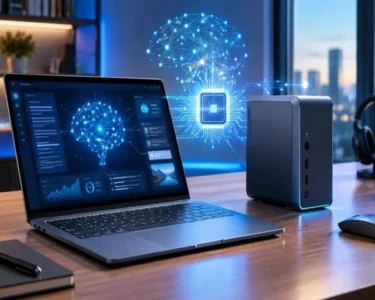
One of the most important developments in modern computing is the ability to run AI models directly on a computer instead of relying entirely on remote cloud servers.
This approach is often called on-device AI or local AI processing.
When supported applications can process information locally, users may experience faster responses and reduced dependence on an internet connection. Local processing can also help limit the amount of personal information sent to external services.
Microsoft is pursuing a hybrid intelligence approach that combines local processing with cloud-based AI. This allows tasks to use the computing resources best suited to them.
For example, a computer could handle certain AI operations locally while relying on cloud services for tasks requiring additional computing power.
The actual benefits depend on the hardware, software, model size, and application being used.
4. AI Security Is Becoming More Important
As computers gain the ability to perform tasks through AI assistants, security becomes increasingly important.
AI agents may be able to interact with applications, access files, and carry out multi-step activities. Without appropriate safeguards, these capabilities could create new risks involving sensitive information and unauthorized actions.
Microsoft has highlighted security measures for controlling what AI agents can access and how they operate within Windows environments.
For ordinary users, basic security practices remain essential. Installing software updates, using strong passwords, enabling multifactor authentication, and avoiding suspicious downloads can help protect personal information.
Businesses should also establish clear policies governing which files, applications, and company systems AI tools are permitted to access.
5. Rising Computer Prices Could Affect Buyers
Although AI computers offer exciting possibilities, their prices are becoming an important concern.
Demand for advanced processors, memory, storage, and AI computing hardware can increase manufacturing costs. Recent industry reports have also highlighted pressure on computer prices as component costs rise.
This creates a challenge for consumers who want modern technology without spending too much.
Before buying an AI PC, shoppers should consider their actual requirements. Students and office workers may not need expensive hardware designed for large AI models or professional graphics workloads.
For everyday activities such as browsing, online classes, document editing, and video meetings, a well-equipped mainstream laptop may remain the more practical choice.
6. What Is the Future of Personal Computing?
The future of computers will likely involve a combination of powerful hardware, intelligent software, improved security, and more personalized experiences.
AI assistants could become increasingly integrated into operating systems, helping users manage files, automate repetitive tasks, write code, and organize their daily activities.
At the same time, manufacturers will need to balance performance with battery life, affordability, privacy, and reliability.
Consumers should also remember that not every computer marketed as an AI PC offers the same capabilities. Comparing processor performance, memory, storage, software compatibility, and long-term support remains important.