 By
By Introduction: Why Injury Prevention Matters
Health is not only about eating nutritious food and exercising regularly. Protecting ourselves from injuries and knowing how to respond during an emergency are also important parts of a healthy life.
Injuries can happen at home, on roads, at school, in workplaces, or during sports. Some injuries are minor, while others require immediate medical attention. Learning basic safety habits and understanding when to seek professional help can make a significant difference.
World Trauma Day is commonly observed on 17 October to raise awareness about traumatic injuries, road safety, injury prevention, and access to emergency care. According to the World Health Organization (WHO), injuries cause millions of deaths worldwide every year, and many can be prevented through appropriate safety measures.
1. What Is World Trauma Day?
World Trauma Day highlights the importance of preventing injuries and improving care for people who experience serious accidents or physical trauma.
The awareness campaign encourages individuals and communities to focus on:
- Preventing road traffic injuries.
- Promoting safety at home and in workplaces.
- Improving awareness of basic first aid.
- Encouraging timely emergency medical assistance.
- Supporting recovery and rehabilitation after injuries.
- Improving access to appropriate trauma care.
These efforts remind us that injury prevention is a shared responsibility involving individuals, families, communities, and healthcare services.
2. Common Causes of Injuries
Injuries can occur in different environments and affect people of all ages. Recognising common risks helps people take sensible preventive measures.
Common causes include:
- Road traffic crashes involving cars, motorcycles, bicycles, and pedestrians.
- Slips and falls on wet or uneven surfaces.
- Burns from hot liquids, cooking equipment, or other heat sources.
- Sports injuries caused by falls or collisions.
- Workplace injuries involving unsafe equipment or environments.
- Injuries resulting from unsafe storage or handling of household items.
Many injuries can be reduced by identifying hazards, following safety rules, using suitable protective equipment, and maintaining safe surroundings.
3. Road Safety: Small Habits That Can Save Lives
Road safety is an important public health concern. The WHO reports that approximately 1.16 million people die each year from road traffic crashes worldwide.
Everyone using the road can contribute to safer journeys by following basic precautions.
Important road safety habits include:
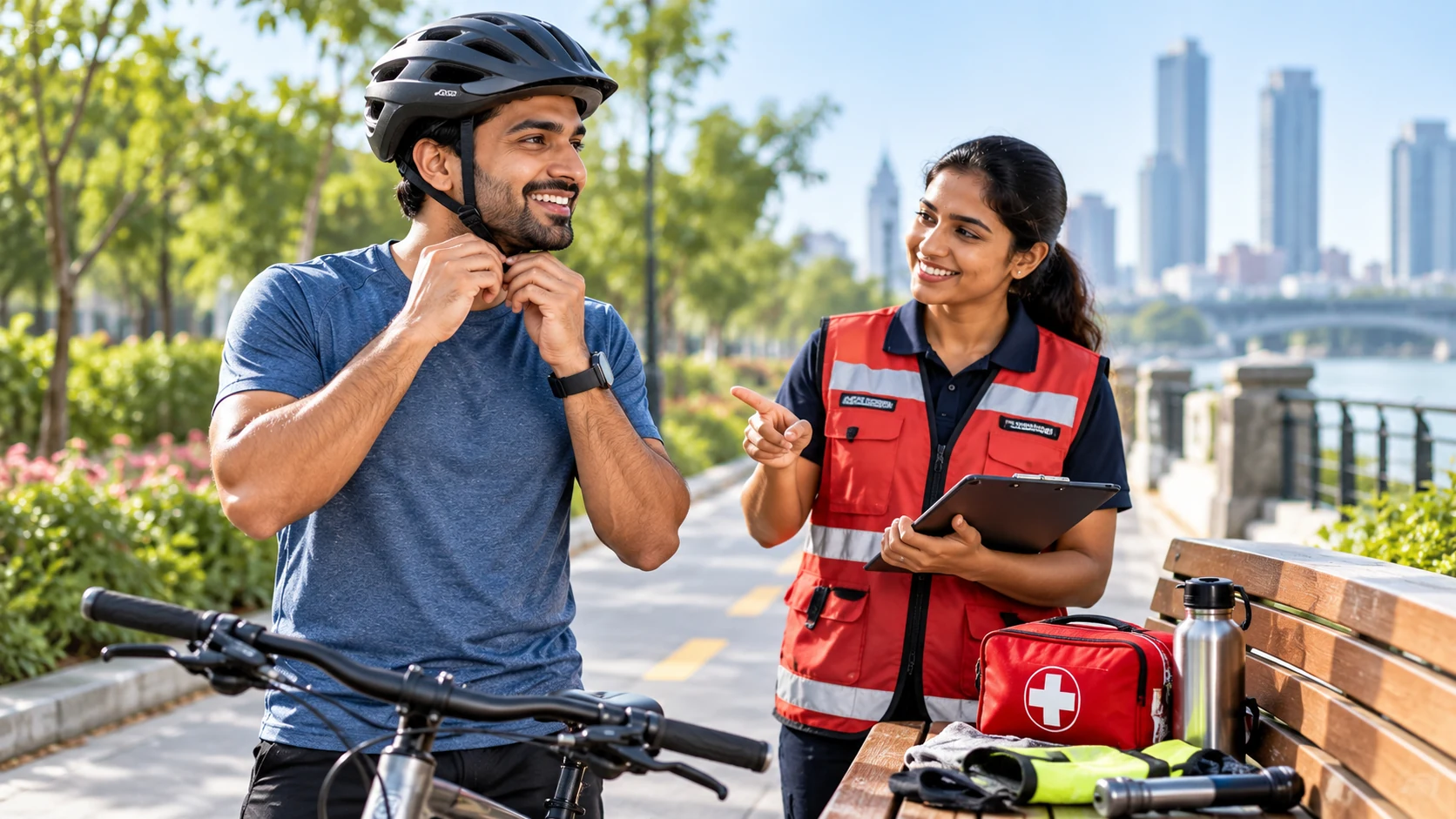
- Wear a properly fitted helmet when riding a motorcycle or bicycle.
- Use a seat belt in a car.
- Follow traffic signals and speed limits.
- Never use a mobile phone while driving.
- Avoid driving when tired or impaired.
- Use pedestrian crossings and pay attention to surrounding traffic.
- Make sure children use suitable vehicle restraints.
Following traffic rules protects not only drivers but also passengers, cyclists, and pedestrians.
4. Basic First Aid Awareness
First aid is the initial assistance given to someone who becomes ill or injured before professional medical care arrives. Basic first aid knowledge can help people respond calmly and seek appropriate support.
If an injury occurs, consider these general steps:
- Check whether the surroundings are safe before approaching.
- Call emergency services if the situation is serious.
- Follow the emergency operator’s instructions.
- Avoid moving someone who may have a serious neck, back, or head injury unless there is an immediate danger.
- If there is bleeding, apply firm, direct pressure with a clean cloth when appropriate.
- Do not give food or drink to someone who is unconscious.
- Stay with the injured person, if safe, until help arrives.
First aid depends on the type of injury. Serious injuries require professional assessment, and practical first aid skills are best learned through recognised training.
5. Prevent Injuries at Home and School
Homes and schools should provide safe environments for children, adults, and older people. Everyday hazards can often be reduced through simple changes.
For better safety:
- Keep floors dry and walkways clear.
- Store cleaning products securely and in their original containers.
- Keep medicines out of children’s reach.
- Use appropriate safety equipment during sports and physical activities.
- Ensure stairs, balconies, and windows have suitable safety features.
- Follow equipment safety instructions.
- Teach children how to recognise hazards and ask adults for help.
Regularly checking the environment can help identify risks before an injury occurs.
6. Recognise When Emergency Care Is Needed
Some injuries need urgent medical attention, even if the person initially appears stable.
Seek emergency help for warning signs such as:
- Difficulty breathing or loss of consciousness.
- Severe bleeding.
- Suspected serious head, neck, or spinal injury.
- Major burns.
- Sudden confusion or inability to respond normally.
- Severe pain or rapidly worsening symptoms.
In India, 112 is the integrated emergency response number.
112 India When an emergency occurs, provide the location clearly and follow the instructions given by emergency responders.
7. Recovery and Rehabilitation After Trauma
Recovery from an injury may involve medical treatment, physical rehabilitation, emotional support, and follow-up appointments. The recovery process varies depending on the injury and the individual’s needs.
Following medical advice, attending recommended appointments, and allowing sufficient time for recovery are important steps. Family members can support recovery by helping with everyday tasks and encouraging the injured person to follow their care plan.
Emotional wellbeing also matters. A serious accident can be stressful, and people may benefit from speaking with healthcare professionals or trusted support networks during recovery.
Conclusion: Make Safety a Daily Priority
World Trauma Day on 17 October is an opportunity to remember that many injuries are preventable and that timely medical care matters.
Following road safety rules, reducing hazards at home, learning basic first aid, and recognising emergency warning signs are practical ways to protect ourselves and others.
The key message is simple: prevent injuries whenever possible, respond safely when emergencies occur, and seek professional medical help when needed.
Medical disclaimer: This article is for general educational purposes and does not replace professional medical advice or certified first aid training.
Follow Us On Instagaram