 By
By AI-Powered Laptops in 2026: How NVIDIA RTX Spark Is Changing the Future of Computers
The computer industry is entering an exciting new phase in 2026 as artificial intelligence becomes a major part of modern laptops and desktop PCs. From smarter productivity tools to advanced video editing and software development, AI-powered computers are changing how people work, learn, and create digital content.
One of the latest developments attracting attention is NVIDIA’s RTX Spark platform, which is appearing in a new generation of premium laptops. Designed for demanding AI workloads, creative applications, and other computing tasks, this technology highlights the growing competition among computer manufacturers to deliver faster and more capable machines.
What Are AI-Powered Laptops?
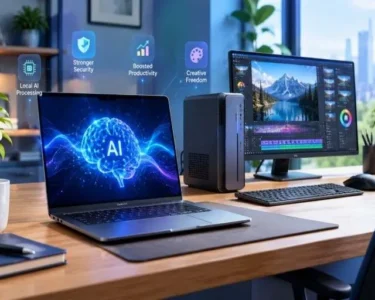
AI-powered laptops are computers designed to handle artificial intelligence tasks more efficiently. They may combine a traditional processor (CPU), a graphics processor (GPU), and dedicated AI acceleration hardware to manage different workloads.
These computers can support features such as intelligent image editing, speech recognition, coding assistance, background noise removal, and AI-powered productivity applications. Depending on the hardware and software, some tasks can run directly on the laptop instead of sending every request to an online server.
This approach can improve responsiveness and help users work with certain data locally. However, more demanding AI models may still require cloud computing resources.
NVIDIA RTX Spark: A New Direction for Computing
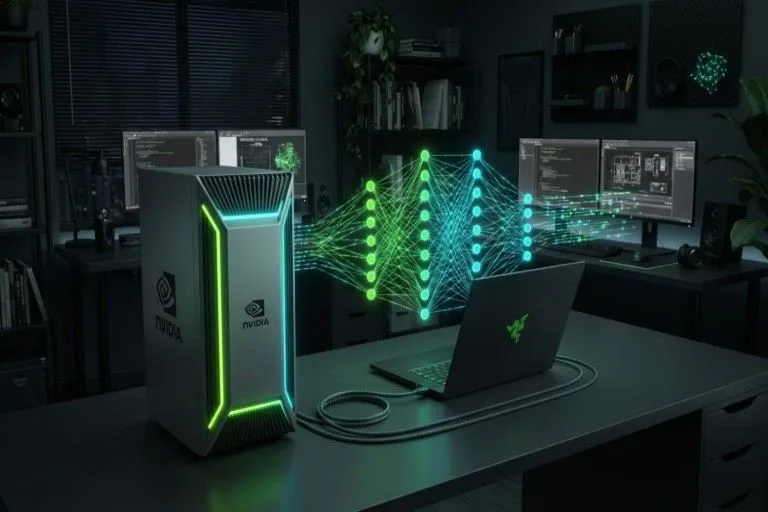
NVIDIA’s RTX Spark platform is part of the latest movement toward high-performance personal AI computing. Recent laptop launches from manufacturers including Microsoft, ASUS, HP, and Lenovo are bringing this technology to premium devices aimed at developers, creators, and AI enthusiasts.
These machines combine powerful computing hardware with substantial memory capacity to support demanding workloads. Some configurations offer up to 128GB of unified memory, helping them work with larger datasets and AI models.
The platform also demonstrates how modern computers are moving beyond traditional performance measures. Buyers are increasingly interested in how quickly a laptop can run AI applications, process creative projects, and manage multiple demanding tasks.
Key Benefits of AI Laptops in 2026
1. Faster AI Workflows
AI-enabled hardware can accelerate compatible applications, including image generation, content editing, transcription, and coding assistance. For professionals, this may reduce waiting time and help simplify repetitive tasks.
Actual performance depends on the software, hardware configuration, and AI model being used.
2. Improved Content Creation
Video editors, graphic designers, photographers, and digital creators can benefit from AI-assisted workflows. Supported applications may use accelerated hardware for video effects, image enhancement, object removal, and other creative features.
A capable GPU and sufficient memory are particularly important for users who regularly work with large media files.
3. More Local AI Processing
Running AI applications locally can reduce dependence on an internet connection for supported tasks. It may also offer privacy advantages when sensitive information remains on the device.
However, local processing does not automatically guarantee privacy. Users should check application permissions, data policies, and security settings.
4. Better Multitasking
Modern AI-focused laptops often combine powerful processors, fast solid-state storage, and generous memory. This can help users switch between demanding applications, manage complex projects, and run development tools more comfortably.
Nevertheless, premium AI hardware can produce more heat and consume significant power, potentially affecting fan noise and battery life.
What Should Buyers Consider Before Purchasing?
AI laptops can be expensive, so choosing the right device requires careful planning. Buyers should consider their main workloads before paying extra for advanced hardware.
Students and office users may be better served by an efficient laptop with good battery life, adequate memory, and a reliable processor. Professional creators and developers may benefit more from a powerful GPU, larger memory capacity, and specialised AI acceleration.
It is also worth checking application compatibility, operating system support, repair options, warranty coverage, and long-term software updates. In India, buyers should compare local prices and configurations rather than relying only on international launch prices.
The Future of Computers
AI-powered computing is likely to remain a major focus for computer manufacturers. Future laptops may offer more capable local AI models, improved energy efficiency, smarter assistants, and better integration with everyday applications.
At the same time, performance, affordability, battery life, privacy, and software compatibility will remain essential considerations. Not every user needs a high-end AI workstation, and traditional laptops will continue to serve many everyday computing needs.