

 By
Introduction
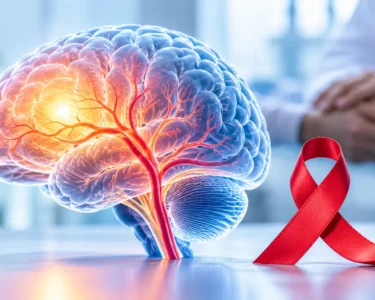
Brain health is essential for memory, movement, communication and everyday activities. A stroke is a serious medical emergency that occurs when blood flow to part of the brain is interrupted or when a blood vessel in the brain bleeds.
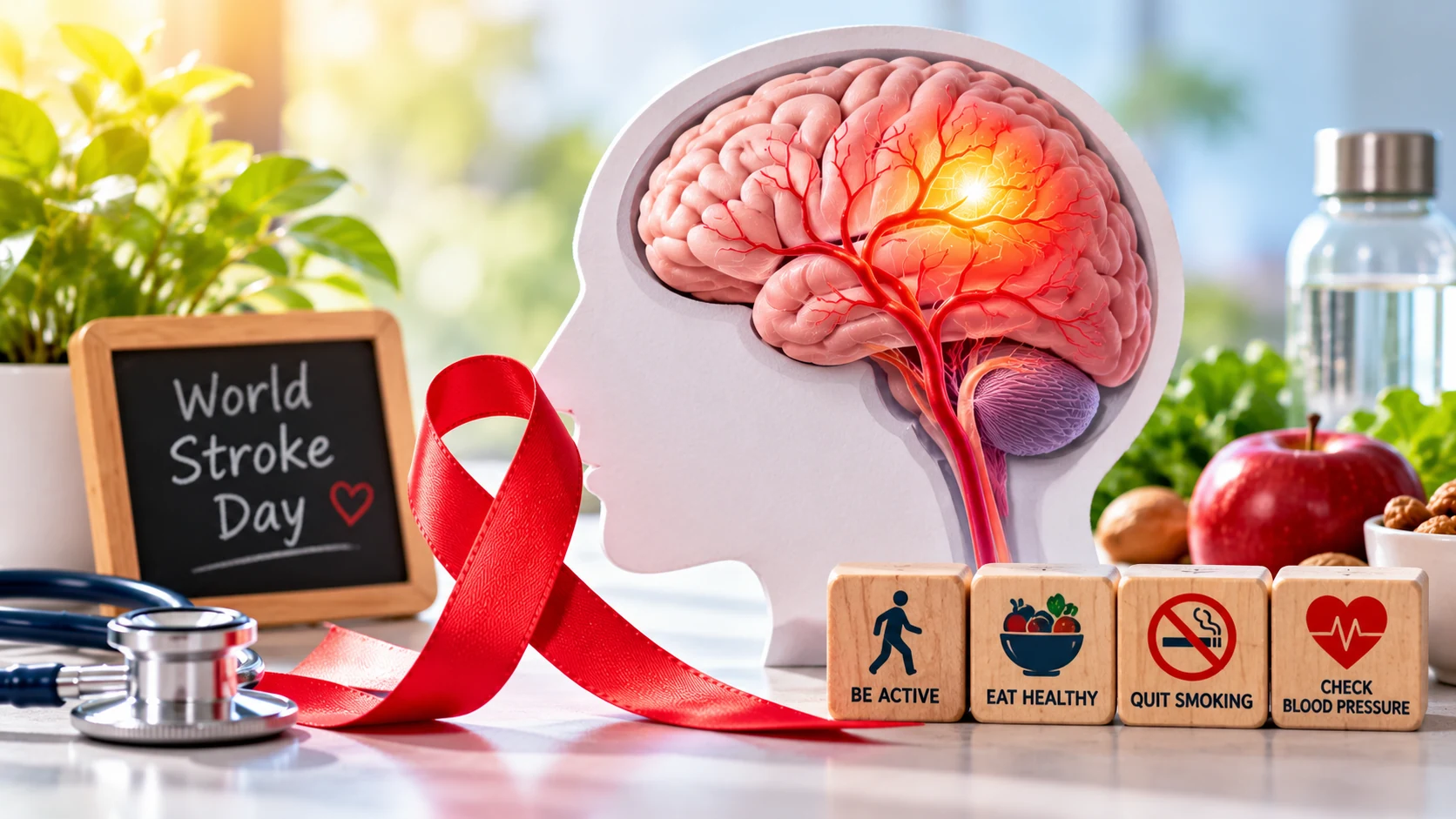
World Stroke Day is observed on October 29 every year. In 2026, the campaign highlights the importance of recognising stroke symptoms quickly and seeking emergency medical care. World Stroke Organization+1
Understanding the warning signs, checking blood pressure and developing healthy daily habits can help people make informed decisions about their health.
What Is a Stroke?
A stroke occurs when brain cells do not receive enough oxygen-rich blood. This can happen because a blood vessel becomes blocked or because bleeding occurs in or around the brain.
The two main types are ischemic stroke, which results from a blockage, and hemorrhagic stroke, which results from bleeding. Both require urgent medical evaluation, and treatment depends on the type and the person’s condition.
A stroke can affect people of different ages. Recognising symptoms early is important because timely treatment may reduce brain damage and improve the chances of recovery.
Recognise the Warning Signs With FAST
The FAST method helps people remember common stroke symptoms.
- F — Face: One side of the face may droop.
- A — Arms: One arm may feel weak or drift downward when both arms are raised.
- S — Speech: Speech may become slurred or difficult to understand.
- T — Time: Call emergency services immediately if any of these symptoms appear.
Other warning signs include sudden vision changes, loss of balance, difficulty walking, confusion or a sudden severe headache.
If you suspect a stroke in India, call 112 for emergency assistance. Note the time symptoms started, or when the person was last known to be well. Do not wait to see whether symptoms disappear.
Why Blood Pressure Matters
High blood pressure is one of the most important risk factors for stroke. It often causes no obvious symptoms, so a person may not know that their blood pressure is elevated.
Checking blood pressure regularly, when appropriate, can help identify a problem that needs medical attention. A healthcare professional can explain the results and recommend suitable lifestyle changes or treatment.
When measuring blood pressure at home, sit comfortably with your back supported, feet flat on the floor and arm supported at heart level. Follow the monitor’s instructions for an accurate reading.
Healthy Eating for Better Heart and Brain Health
A balanced diet can support cardiovascular health and help manage risk factors associated with stroke.
Include a variety of vegetables, fruits, whole grains, pulses, nuts and suitable protein sources. Traditional foods such as dal, vegetable curries, whole-wheat roti and seasonal fruits can be part of a balanced eating pattern.
Reducing excess salt and limiting frequent consumption of highly processed foods may help support healthy blood pressure. Drink water regularly according to your needs and avoid relying on supplements or special drinks that promise unrealistic health benefits.
People with medical conditions or specific dietary requirements should seek personalised advice from a qualified healthcare professional.
Physical Activity and Everyday Habits
Regular physical activity supports heart health, circulation and overall well-being. Walking, cycling, dancing and other enjoyable activities can help people stay active.
Choose activities appropriate for your age, health and fitness level. If you spend long periods sitting, take regular movement breaks when possible.
Avoid smoking and seek professional support to stop if needed. Getting sufficient sleep, managing stress and maintaining a healthy routine can also contribute to long-term health.
These habits cannot eliminate every stroke risk, but they can help address several important risk factors.
Diabetes, Cholesterol and Other Risk Factors
High blood glucose, elevated cholesterol and certain heart conditions can increase stroke risk. Family history and previous stroke or transient ischemic attack may also be relevant.
Routine health checks can help identify risk factors before complications develop. The appropriate screening schedule depends on age, medical history and individual circumstances.
If a healthcare professional prescribes medication for blood pressure, diabetes or another condition, take it as directed. Do not stop or change medication without consulting the professional responsible for your care.
What to Do During a Suspected Stroke
A suspected stroke requires immediate emergency assistance. Call 112 and clearly describe the symptoms.
Stay with the person and follow the emergency operator’s instructions. Do not give food, drinks or medication unless instructed by a qualified emergency professional, because swallowing may be affected.
Avoid waiting for a routine appointment or attempting to treat the symptoms at home. Even if symptoms disappear after a short time, urgent medical assessment is necessary because they may indicate a transient ischemic attack.
Conclusion
World Stroke Day 2026 reminds us that recognising stroke symptoms and acting quickly can save lives. Learning the FAST warning signs, monitoring blood pressure when appropriate, eating balanced meals and staying physically active are practical steps towards better cardiovascular health.
Share reliable health information with your family and community. If stroke symptoms occur, seek emergency medical help immediately rather than waiting for them to improve.
Medical disclaimer: This article provides general educational information and is not a substitute for professional medical advice.
Follow Us On Instagaram