


 By
As winter approaches, air pollution becomes an important health concern in several Indian cities. Changing weather conditions, traffic emissions, construction dust and other sources can contribute to poor air quality.
Many people associate air pollution mainly with coughing and breathing difficulties. However, exposure to polluted air can also affect cardiovascular health. Recent health coverage in India has highlighted concerns about the relationship between air pollution, heart attacks and strokes.
Understanding the risks and adopting simple protective habits can help people make informed decisions during periods of poor air quality.
1. Why Does Air Pollution Increase During Winter?
Air pollution can become more noticeable during certain winter conditions. Lower wind speeds and temperature inversions can prevent pollutants from dispersing easily.
Common sources include:
- Vehicle exhaust and traffic congestion
- Construction and road dust
- Industrial emissions
- Burning of waste and other materials
- Smoke from certain heating and cooking activities
Fine particulate matter, especially PM2.5, is a major concern because these tiny particles can travel deep into the respiratory system.
2. How Does Air Pollution Affect Your Lungs?
The respiratory system is directly exposed to the air we breathe. Polluted air can irritate the respiratory tract and worsen existing breathing conditions.
Possible effects include:
- Coughing and throat irritation
- Wheezing
- Shortness of breath
- Increased asthma symptoms
- Aggravation of existing respiratory conditions
People with asthma, chronic lung conditions, older adults and children may need additional care during periods of poor air quality.
If breathing symptoms become severe or suddenly worsen, seek medical attention.
3. Can Air Pollution Affect Heart Health?
Air pollution is not only a lung-related concern. Research has associated exposure to fine particulate pollution with inflammation, blood-vessel effects and increased cardiovascular risks.
During periods of high pollution, people with existing heart conditions may be particularly vulnerable.
Potential concerns include:
- Increased cardiovascular strain
- Worsening of existing heart conditions
- Changes in blood-vessel function
- Greater risk of cardiovascular events in susceptible people
Air pollution is one of several factors that can influence heart health. Individual risk depends on medical history and other health factors.
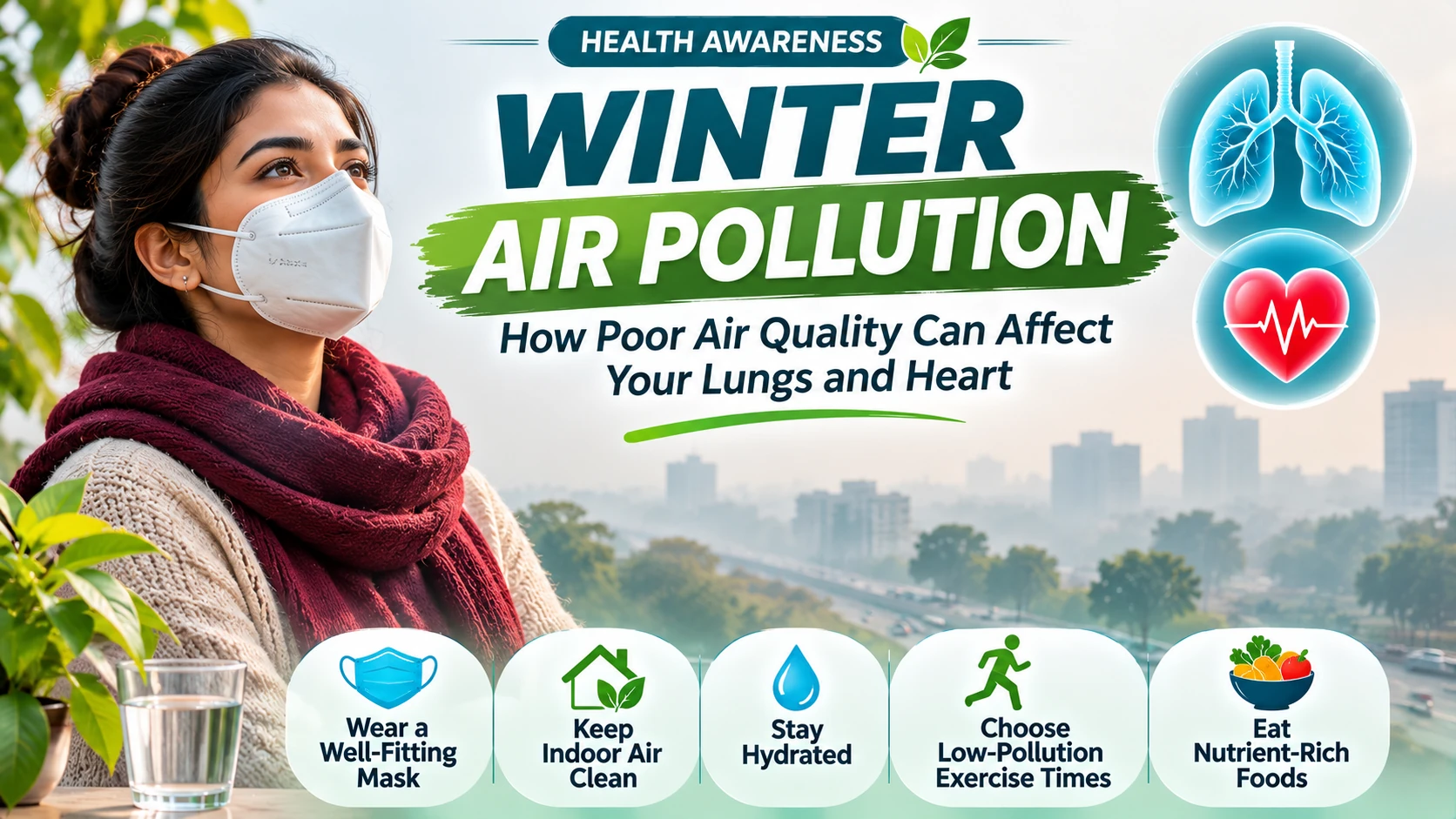
4. Five Practical Ways to Reduce Exposure
Wear a Suitable Mask Outdoors
During periods of high particulate pollution, a well-fitting particulate-filtering mask, such as a properly fitted N95, can help reduce exposure to fine particles.
The fit matters. Follow the manufacturer’s instructions and ensure the mask is suitable for the person using it.
Keep Indoor Air Cleaner
Keep windows and doors closed when outdoor pollution is particularly high, while maintaining safe ventilation when conditions allow.
If available, use a properly sized air purifier with an effective particle filter. Maintain it according to the manufacturer’s instructions.
Avoid indoor smoking and unnecessary burning activities.
Check Air Quality Before Outdoor Activities
Check the Air Quality Index (AQI) for your area before planning outdoor exercise or other activities.
When air quality is poor, consider reducing strenuous outdoor activity or moving it indoors.
Children, older adults and people with respiratory or heart conditions should follow relevant medical advice.
Maintain Healthy Everyday Habits
Drink enough water, eat balanced meals and maintain a consistent sleep routine.
Include a variety of fruits, vegetables, whole grains and suitable protein sources in your meals. These habits support general wellbeing but do not cancel out the effects of pollution.
Avoid High-Traffic Areas When Possible
When practical, choose quieter routes away from busy roads for walking or cycling. Avoid exercising close to heavy traffic, especially during periods of poor air quality.
5. Who Should Take Extra Care?
Some people may be more sensitive to air pollution:
- Children and teenagers
- Older adults
- People with asthma
- People with chronic lung conditions
- People with existing heart disease
- Pregnant individuals
If you belong to one of these groups, discuss an appropriate outdoor activity and exposure-reduction plan with a healthcare professional.
6. Warning Signs You Should Not Ignore
Pay attention to new or worsening symptoms, including persistent coughing, wheezing, unusual breathlessness or chest discomfort.
Seek urgent medical attention for severe breathing difficulty, chest pain, fainting or sudden neurological symptoms. Do not assume these symptoms are caused only by pollution.
7. Build a Simple Winter Health Routine
A few consistent habits can help you manage your daily routine:
Morning: Check local air quality before planning outdoor activities.
Afternoon: Eat a balanced meal and drink water regularly.
Evening: Choose indoor activity if outdoor pollution is high.
Night: Maintain a comfortable sleeping environment and follow a consistent sleep schedule.
Adjust these habits according to local conditions and individual health needs.
Final Thoughts
Winter air pollution is an important public-health concern because its effects can extend beyond the respiratory system. Understanding air quality, reducing unnecessary exposure and recognising warning signs can help people make safer everyday choices.
Remember, no mask, food or home remedy can completely eliminate the health risks of polluted air. Reducing pollution at its source and improving local air quality remain essential for healthier communities.
How do you protect yourself during days with poor air quality? Share your practical suggestions in the comments!
Disclaimer: This article is for general health awareness and does not replace professional medical advice. Consult a qualified healthcare professional about personal health concerns.
Follow Us On Instagaram