

 By
Why Are RAM Prices Rising in 2026? How AI Is Changing the Future of Computer Hardware
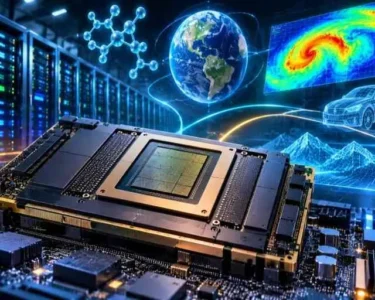
The computer industry is experiencing an important change in 2026 as artificial intelligence continues to influence the development of hardware. From powerful desktop computers to everyday laptops, memory technology is becoming increasingly important. One major development attracting attention is the rising cost of RAM, particularly DDR5 memory.
RAM, or Random Access Memory, plays an essential role in computer performance. It allows computers to run applications, handle multiple tasks and process information efficiently. However, growing demand from artificial intelligence data centers is putting pressure on memory supplies, creating challenges for computer manufacturers and consumers.
1. Why Are RAM Prices Increasing?
One of the biggest reasons behind rising RAM prices is the rapid expansion of AI infrastructure.
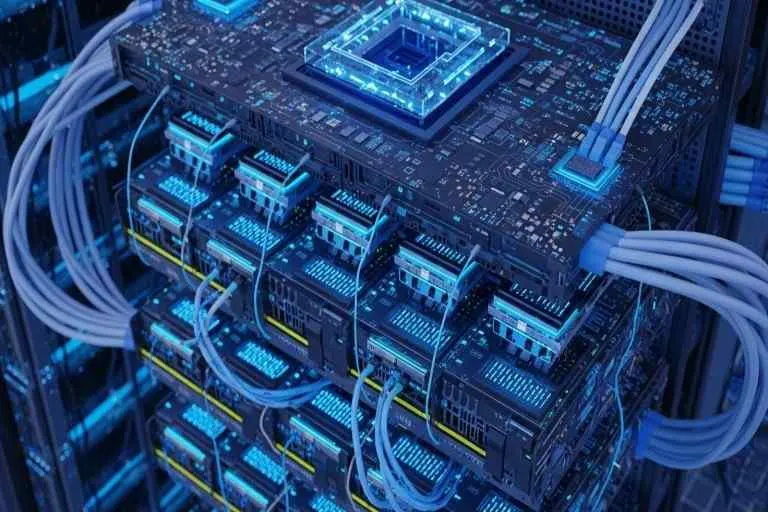
Technology companies are investing heavily in data centers that support AI applications, machine learning and cloud computing. These systems require large amounts of high-performance memory to process enormous quantities of information.
As a result, memory manufacturers are giving more attention to specialized products such as High Bandwidth Memory (HBM) and server-grade DDR5.
This shift can reduce the availability of conventional memory products used in personal computers, laptops and gaming systems.
Recent market reporting indicates that DDR5 spot prices have increased significantly compared with the previous year. Shattered
2. How Artificial Intelligence Is Changing Computer Hardware
Artificial intelligence is no longer limited to cloud-based applications. Modern computers are increasingly designed to run AI tools directly on the device.
AI-powered computers can help users with writing, coding, image generation, video editing and productivity tasks. These activities often require powerful processors, graphics cards and sufficient memory.
Companies such as Intel, AMD, NVIDIA and Qualcomm are competing to develop processors that deliver better AI performance.
This competition is changing how manufacturers design laptops and desktops. Memory capacity, processing power and energy efficiency are becoming important features when choosing a new computer.
3. The Impact on Laptop and Desktop Buyers
Rising RAM costs can affect the overall price of computers. Manufacturers must consider component expenses when developing new laptops and desktop systems.
Consumers who want to purchase a new computer may notice differences in memory configurations and pricing.
For example, an entry-level laptop may offer 8GB or 16GB of RAM, while professional systems designed for software development, gaming and video editing may offer 32GB or more.
Before purchasing a computer, customers should consider their actual requirements rather than choosing a device based only on its processor or appearance.
For everyday browsing and office work, moderate memory capacity may be sufficient. However, developers, designers and gamers often benefit from higher RAM configurations.
4. Why SSD Prices Are Moving Differently
Interestingly, RAM and SSD storage prices are not following exactly the same direction.
Recent November 2026 market reports indicate that consumer NAND flash spot prices have declined by approximately 20% since mid-October. This creates a difference between the DRAM market, which remains under pressure, and the consumer NAND market, where prices are showing signs of correction. Shattered
SSD storage is important because it determines how quickly computers can access files, launch applications and transfer data.
If lower NAND prices eventually reach retail products, consumers could benefit from more affordable SSD upgrades. However, changes in wholesale prices do not immediately guarantee lower store prices.
5. What Should Consumers Consider Before Buying a Computer?
With changing hardware prices, buyers should carefully evaluate their needs before making a purchase.
Here are some important factors:
- RAM capacity: Consider 16GB as a practical starting point for many modern users, with 32GB or more for demanding workloads.
- Processor: Choose a processor suitable for your daily applications and professional requirements.
- Storage: An SSD provides faster performance than a traditional hard disk drive.
- Graphics: Dedicated graphics can be useful for gaming, 3D design and demanding creative applications.
- Upgrade options: Check whether the laptop or desktop allows memory and storage upgrades.
Consumers should also compare different brands and configurations before deciding when to purchase.
6. What Is the Future of Computer Technology?
The future of computers will increasingly depend on the combination of artificial intelligence, advanced processors and high-performance memory.
AI-powered laptops and desktops are expected to become more capable of handling complex tasks locally. This could improve productivity, reduce dependence on cloud services for certain workloads and provide new experiences for users.
At the same time, memory manufacturers will need to balance demand from AI data centers with the requirements of everyday computer users.
The industry will also need to improve production capacity and develop more efficient memory technologies to support future demand.