


 By
Apple HomeView: How Apple Is Transforming Smart Homes with AI Technology in 2026
Apple continues to expand its presence in the electronics industry with new innovations in artificial intelligence, connected devices and smart-home technology. In November 2026, one of the interesting developments attracting attention is Apple HomeView, a new smart-home display designed to make everyday home management and entertainment more convenient.
With the growing popularity of smart homes, consumers are increasingly looking for devices that can connect lighting, security cameras, entertainment systems and other household technologies. Apple’s latest move shows how the company is looking beyond smartphones, tablets and computers to create a more connected digital lifestyle.
What Is Apple HomeView?
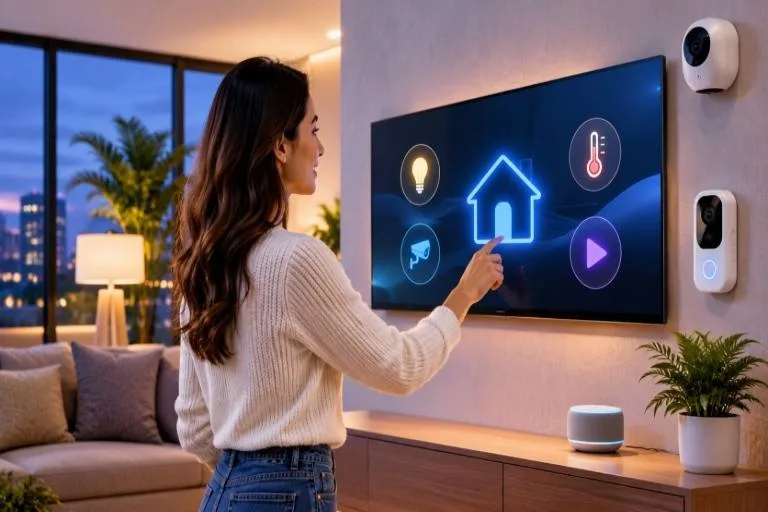
Apple HomeView is a smart-home display introduced as part of Apple’s expanding home technology ecosystem. It is designed to help users manage connected devices and enjoy entertainment through a central interface.
Instead of controlling different smart-home products through separate applications, users can benefit from having important home functions accessible from one device. This approach can make managing a connected home easier, particularly for people who already use Apple products.
The introduction of HomeView also reflects Apple’s interest in bringing its software, hardware and artificial intelligence technologies closer together.
1. Artificial Intelligence Is Changing Smart Homes
Artificial intelligence is becoming an important part of modern consumer electronics. From smartphones to computers, AI features are helping users complete everyday tasks more efficiently.
Apple is also developing its AI capabilities through Siri and Apple Intelligence. With its expanding smart-home ecosystem, AI-powered interactions could make controlling household devices more natural and convenient.
For example, users may be able to interact with compatible smart-home features through voice commands, manage connected accessories and access entertainment more easily.
The broader goal is to make technology feel less complicated while allowing different devices to work together.
2. A More Connected Apple Ecosystem
One of Apple’s biggest strengths is its connected ecosystem. The company offers products such as iPhone, iPad, Mac, Apple Watch and Apple TV that work together through its software and services.
HomeView adds another dimension to this ecosystem by focusing on the home environment.
Imagine arriving home and using a central display to check connected devices, manage compatible accessories or access entertainment. This kind of experience can reduce the need to switch between multiple devices and applications.
For existing Apple customers, this integration could make the smart-home experience more attractive.
3. Smart-Home Accessories Are Becoming More Important
Apple’s smart-home expansion is not limited to one display. The company has also introduced a broader Apple Home Collection with connected accessories developed alongside partners.
The collection includes products such as indoor cameras, outdoor cameras and video doorbells. These products are designed to work with Apple’s home ecosystem.
A particularly interesting aspect is simplified setup. Compatible accessories can use an iPhone to make the initial connection easier. Thread connectivity also helps supported smart-home devices communicate even when regular internet or Wi-Fi access is interrupted.
These developments demonstrate how the smart-home market is moving towards simpler installation and better device connectivity.
4. Privacy and Security Remain Important
Smart-home technology offers convenience, but it also creates important questions about privacy and security.
Devices such as cameras and smart displays can handle personal information, household activity and other sensitive data. Consumers therefore need to understand how their information is collected, stored and protected.
Apple has traditionally highlighted privacy as an important part of its product ecosystem. As its smart-home business grows, maintaining user trust will be essential.
Customers should also use strong account passwords, enable available security protections and regularly update their connected devices.
5. What Does This Mean for the Future of Electronics?
Apple’s HomeView launch represents a broader change in the electronics industry. Technology companies are increasingly competing to build complete ecosystems rather than selling individual gadgets.
Smart displays, AI assistants, connected cameras, smart speakers and automated home accessories are becoming part of a larger technology experience.
In the coming years, improvements in artificial intelligence could make smart-home devices more responsive and easier to operate. Better connectivity may also allow different products to communicate more effectively.
However, affordability, compatibility, privacy and reliability will remain important factors influencing consumer adoption.