
 By
By Health is increasingly being discussed around prevention, nutrition, early screening, mental wellbeing and technology-enabled healthcare. This is especially relevant in India, where both undernutrition and rising overweight/obesity are being reported as part of a complex nutrition picture.
1. 🥗 Balanced Nutrition Is More Important Than Trendy Diets
A healthy diet does not mean eliminating one particular food or following a viral diet. WHO recommends a varied diet that can include vegetables, fruits, legumes, whole grains, nuts, eggs, fish, milk and other appropriate protein sources, while limiting excessive salt, free sugars and unhealthy fats.
Simple daily habits:
- Include vegetables in meals.
- Add a good protein source.
- Choose fruits instead of frequently relying on packaged snacks.
- Include nuts and seeds in reasonable portions.
- Reduce excess sugary drinks and highly processed foods.
The important point is consistency, not a perfect diet for a few days.
2. ⚖️ India Faces Both Underweight and Overweight Concerns
A recent report discussing NFHS-6 data highlights a difficult nutrition situation in India: overweight and obesity are increasing while below-normal BMI is also not declining as expected.
That matters because the solution cannot simply be “everyone should lose weight.”
For some people, the priority may be improving nutritional intake and healthy weight gain. For others, it may be reducing excess weight while maintaining muscle and adequate nutrition.
Health advice needs to be individual—not one-size-fits-all.
3. 🥚 Protein Is Getting More Attention
Protein has become one of the biggest nutrition conversations in India, with the country’s protein market expanding alongside increasing health awareness.
Good everyday sources include:
- 🥚 Eggs
- 🐟 Fish
- 🍗 Chicken
- 🫘 Dal and beans
- 🥜 Nuts and seeds
- 🥛 Milk and curd
But more protein isn’t automatically better. The amount should fit a person’s age, activity, dietary pattern and overall nutritional needs.
4. 🚶 Walking Still Has a Place in Modern Wellness
You don’t need an expensive fitness routine to start becoming more active.
Regular walking, stretching, cycling and other forms of movement can make physical activity easier to maintain.
The bigger opportunity is to reduce long periods of sitting rather than relying on one intense workout and remaining inactive for the rest of the day.
5. 🧠 Mental Health Is Part of Preventive Healthcare
Modern healthcare increasingly looks beyond physical symptoms. India’s primary healthcare approach includes services related to mental health, maternal and child health, noncommunicable diseases, geriatric care and rehabilitation.
Simple habits can help support overall wellbeing:
- Maintain a regular sleep schedule.
- Take breaks from continuous screen use.
- Stay physically active.
- Maintain social connections.
- Address persistent stress instead of continually ignoring it.
If anxiety, depression or other symptoms persist and interfere with daily life, professional evaluation is more appropriate than relying only on online wellness tips.
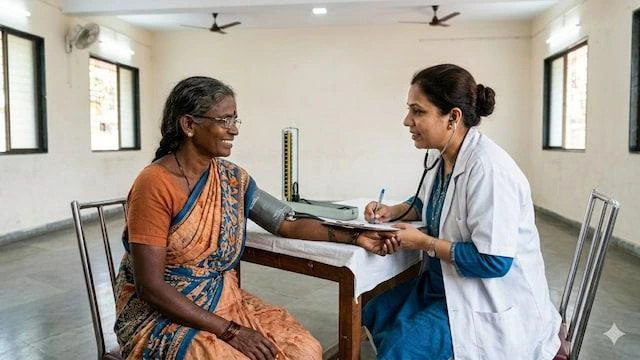
6. 🩺 Preventive Health Check-Ups Are Becoming More Important
Primary healthcare is not only about treating someone after they become seriously ill. WHO describes primary healthcare as including promotive, preventive, curative, rehabilitative and palliative care.
Depending on age and individual risk factors, preventive care can include appropriate checks for conditions such as:
- Blood pressure
- Diabetes
- Cholesterol
- Certain cancers
- Nutritional deficiencies
- Other age- or risk-specific conditions
The exact tests should be based on personal risk and medical advice rather than doing every available test.
7. 🤖 Technology Is Changing Healthcare
Healthcare technology is moving toward more digital monitoring, connected devices and AI-supported health services.
For example, newer wearable technology is increasingly capable of continuously collecting health and fitness measurements. Apple recently announced its Apple Watch Series 12 with expanded health-sensing capabilities.
But there is an important distinction:
A wearable can provide health information; it does not automatically provide a medical diagnosis.
Unexpected or concerning readings should be interpreted in the appropriate clinical context.
8. 🌿 Traditional Medicine Is Also Receiving Research Attention
WHO has recently outlined a 10-year research agenda for traditional, complementary and integrative medicine, including areas such as stroke, cancer, mental health and pain management.
The important word here is research. Traditional practices should not automatically be considered proven treatments for serious diseases simply because they are popular.
Evidence and appropriate medical care still matter.
9. 🏥 Hyderabad Health Innovation Is Also in Focus
A health innovation event, the RISE Health Innovation Summit 2026, is scheduled in Hyderabad on September 24, bringing together healthcare, pharmaceutical and biotechnology stakeholders around topics including genomics, biotechnology and India’s life-sciences sector.
This reflects a broader shift toward combining healthcare with technology, biotechnology, data and innovation.
🌱 Today’s Health Takeaway
The biggest health lesson for 24 September 2026 is simple:
Don’t wait for a health problem to become serious before paying attention to your health.
A practical preventive routine is built around:
🥗 Balanced nutrition + 🚶 regular movement + 😴 adequate sleep + 🧠 mental wellbeing + 🩺 appropriate health screening
There is no single “superfood,” supplement or viral wellness trick that replaces these basics. WHO’s guidance also emphasizes that a healthy diet and healthcare approach should be adapted to individual needs and circumstances.
This content is for general health information and does not replace advice from a qualified healthcare professional.
Follow Us On Instagaram