

 By
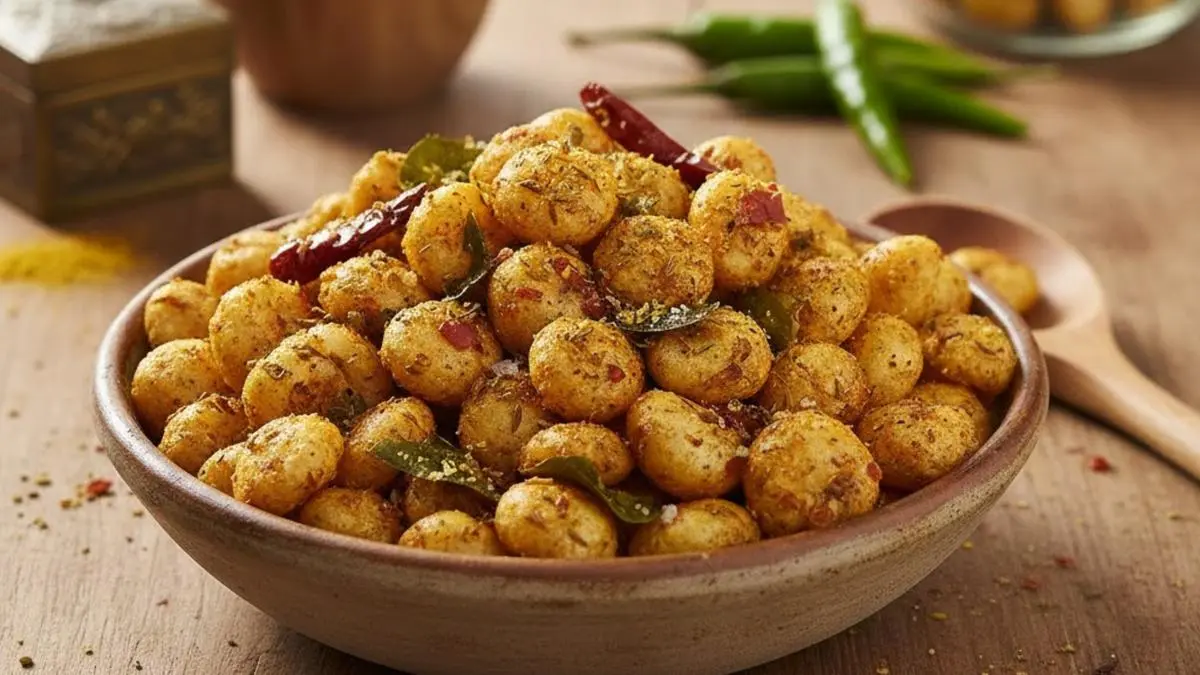
By For years, makhana, also known as fox nuts or lotus seeds, was largely associated with fasting, traditional Indian cooking and simple roasted snacks.
Today, that image is changing.
Makhana is increasingly being presented as a modern snack ingredient, with flavours ranging from peri-peri and cheese to caramel, chocolate and regional Indian spices.
The interesting part is that makhana isn’t simply being sold as another “healthy snack.” It is becoming a versatile food ingredient that can move between traditional Indian recipes, packaged snacks, desserts and modern café menus.
Why Is Makhana Getting So Much Attention?
The Snack Market Is Changing
Consumers are increasingly looking for snacks that can fit different moments of the day.
They want something convenient enough to eat at work, interesting enough to share socially and versatile enough to fit different diets.
Makhana fits that requirement surprisingly well.
Its light, crunchy texture makes it suitable for roasting and seasoning, while its relatively neutral flavour allows manufacturers and chefs to experiment with different profiles.
From One Flavour to Dozens
Traditional roasted makhana is usually seasoned with salt, pepper or basic spices.
The modern market is much more adventurous.
Flavour possibilities include:
- Peri-peri
- Pudina
- Cheese
- Masala
- Tandoori
- Chilli-lime
- Garlic
- Caramel
- Chocolate
- Jaggery
- Himalayan salt
This flavour flexibility is helping makhana move beyond its traditional consumer base.
Makhana Is Becoming a Premium Indian Snack
Packaging Is Changing Its Image
Walk into a modern supermarket or browse an online food store and snacks are increasingly sold through branding as much as taste.
Makhana is benefiting from this shift.
Instead of being packaged as a basic traditional food, it can be presented in premium resealable packs, gift boxes and flavour collections.
The product suddenly looks less like a fasting ingredient and more like a contemporary snack.
That repositioning is important.
Traditional Ingredient, Modern Presentation
This is one of the strongest patterns in India’s food industry.
A traditional ingredient doesn’t necessarily need to be changed.
Sometimes, all it needs is:
better packaging + new flavours + convenient formats + modern storytelling.
Makhana is a good example of this transformation.
Why Makhana Works So Well as a Snack
Texture Is Its Biggest Advantage
One of the biggest food trends of recent years has been the importance of texture.
Consumers don’t simply want something that tastes good.
They want something crunchy, crispy, creamy, chewy or layered.
Makhana naturally delivers a light crunch when roasted properly.
That makes it useful as both a standalone snack and an ingredient.
It Can Be Used Beyond Snacking
Makhana can also be incorporated into:
- Chaats
- Trail mixes
- Granola
- Snack bars
- Desserts
- Kheer
- Breakfast bowls
- Chocolate clusters
- Savoury toppings
- Party appetisers
This versatility gives it more potential than a simple packaged snack.
Makhana Meets India’s Traditional Food Culture
It Already Has a Strong Cultural Connection
Unlike many newly discovered “superfoods,” makhana isn’t a foreign ingredient entering India.
It has been used in Indian households for generations.
It appears in traditional recipes, particularly during fasting periods, and is familiar across several parts of the country.
That gives it something many new food trends don’t have:
existing consumer trust.
The challenge is simply making younger consumers see it differently.
Bihar Could Become Even More Important
The Ingredient Has a Strong Regional Identity
India’s makhana production is strongly associated with Bihar.
That regional connection creates an opportunity to turn makhana into more than just another packaged snack.
It can become a story about Indian agriculture, regional food traditions and local processing.
Instead of simply saying “fox nuts,” brands can communicate where the ingredient comes from and how it is traditionally produced.
That kind of traceability is becoming increasingly valuable in modern food marketing.
Could Makhana Become an International Snack?
India Has a Global Opportunity
International consumers are already familiar with snacks such as popcorn, roasted nuts, rice crackers and chickpea snacks.
Makhana can occupy a similar space while offering something visually and texturally different.
A global consumer doesn’t necessarily need to understand Indian fasting traditions to enjoy roasted makhana.
It can simply be introduced as:
a light, crunchy Indian snack.
That simplicity could make international adoption easier.
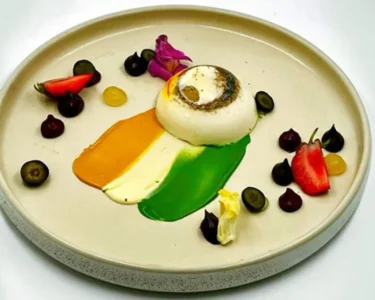
The Dessert Opportunity Is Interesting
Makhana Doesn’t Have to Stay Savoury
One of the most interesting possibilities is using makhana in desserts.
Roasted makhana can be combined with:
- Dark chocolate
- Caramel
- Jaggery
- Coconut
- Pistachio
- Cardamom
- Saffron
Imagine a chocolate-covered makhana cluster replacing conventional nuts in a snack pack.
Or a caramelised makhana topping over ice cream.
Or crunchy makhana mixed into a modern Indian dessert.
These formats could help introduce the ingredient to consumers who aren’t interested in traditional recipes.
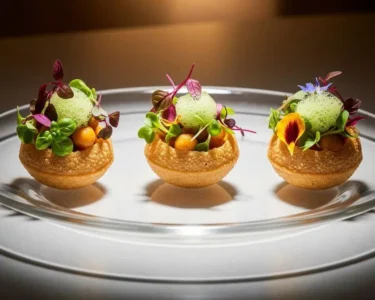
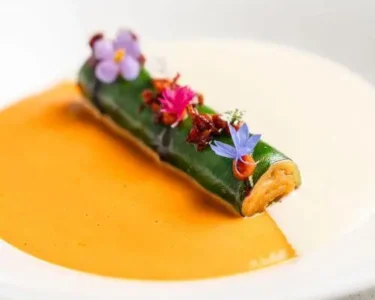
Restaurants Could Use It Differently
Makhana Can Become a Texture Ingredient
Chefs don’t necessarily need to make makhana the main ingredient.
They can use it as a finishing element.
For example:
Roasted makhana over creamy soup
Makhana crunch with paneer
Spiced makhana over salads
Makhana crumble on desserts
Makhana chaat as a small plate
This approach turns an inexpensive traditional ingredient into a sophisticated textural component.
Why Younger Consumers May Like It
Snackable, Shareable and Customisable
Younger consumers are increasingly attracted to foods that are easy to carry and easy to share.
Makhana fits both requirements.
It can be eaten directly from the pack, added to a bowl or served at parties.
And because it accepts different flavours so easily, brands can keep creating new variations without changing the core ingredient.
That gives the category plenty of room for innovation.
What Could Be the Next Makhana Products?
Expect More Than Roasted Packs
The next stage of the category could include:
- Makhana protein-style snack mixes
- Chocolate-coated makhana
- Makhana granola
- Makhana breakfast cereals
- Makhana energy bites
- Makhana-based namkeen
- Ready-to-eat makhana chaat
- Premium regional flavour collections
The most successful products will probably be the ones that make makhana feel convenient without losing its Indian identity.
The Bigger Food Trend
India’s Traditional Ingredients Are Becoming Modern Brands
Makhana represents a much larger movement in Indian food.
Consumers are rediscovering ingredients that were always present in Indian kitchens but were never marketed globally as premium products.
The opportunity is enormous.
Instead of importing the next big international snack, Indian food companies can look at ingredients already growing in the country and ask:
Can this become the next global category?
Makhana may be one of the strongest examples.
Conclusion
Makhana’s journey is changing.
It is no longer limited to fasting recipes or a simple roasted snack.
Its light crunch, neutral flavour and ability to absorb different seasonings make it suitable for everything from premium packaged snacks to restaurant dishes and desserts.
More importantly, it represents a bigger shift in food culture.
Traditional Indian ingredients are increasingly being redesigned for modern consumers without losing their original identity.
If the trend continues, makhana could move from an Indian household staple to a recognisable international snack category.
The next time consumers around the world reach for a crunchy snack, they may not just choose popcorn or nuts.
They may reach for India’s little white fox nuts.
Follow Us On Instagaram