

 By
By Mobile Security in 2026: Protecting Smartphones, Tablets, and Mobile Apps in a Connected World
Mobile devices have become an essential part of modern life. Smartphones and tablets are no longer just communication tools—they are digital wallets, business workstations, healthcare portals, entertainment centers, and gateways to personal information. As mobile technology continues to evolve, so do the cyber threats targeting these devices. This makes Mobile Security one of the most important cybersecurity priorities in 2026.
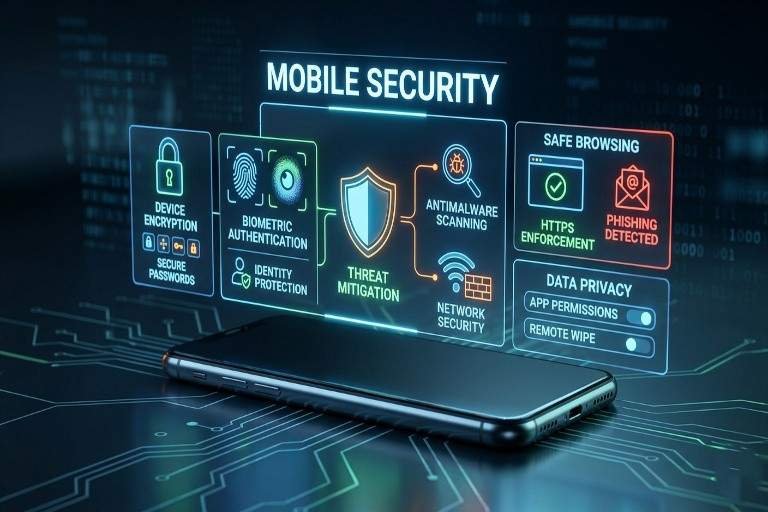
Mobile security focuses on protecting smartphones, tablets, mobile applications, and the sensitive data they store from unauthorized access, malware, phishing attacks, and other cyber threats. With billions of mobile devices connected to the internet worldwide, organizations and individuals must adopt stronger security measures to safeguard their digital lives.
Why Mobile Security Matters More Than Ever
The average smartphone now contains a vast amount of personal and professional information, including emails, financial records, passwords, photos, health data, and access to cloud services. Mobile devices are frequently used for online banking, shopping, remote work, and communication, making them attractive targets for cybercriminals.
Unlike traditional computers, mobile devices are constantly connected and often operate on public Wi-Fi networks, increasing their exposure to threats. Attackers use malicious apps, phishing messages, fake websites, and malware to steal information or gain unauthorized access.
As organizations continue to support remote and hybrid work environments, securing mobile endpoints has become a critical component of overall cybersecurity strategy.
App Sandboxing: Isolating Applications for Better Security
One of the most effective security mechanisms in modern mobile operating systems is app sandboxing. Sandboxing isolates applications from one another and limits their access to device resources.
When an application operates inside a sandbox, it cannot freely access data stored by other applications or make unauthorized changes to the operating system. This containment helps reduce the impact of malicious software and prevents compromised applications from affecting the entire device.
Benefits of app sandboxing include:
- Improved data privacy.
- Reduced malware spread.
- Enhanced application stability.
- Better protection against unauthorized access.
Both Android and iOS continue to strengthen sandboxing technologies to provide greater protection against evolving threats.
Mobile Antivirus and Threat Detection
Mobile malware has become increasingly sophisticated in recent years. Cybercriminals create malicious applications designed to steal credentials, monitor user activity, or install ransomware on devices.
Modern mobile antivirus solutions help detect and prevent threats through:
- Real-time malware scanning.
- Application behavior monitoring.
- Phishing protection.
- Network threat detection.
- Security vulnerability identification.
Many organizations now deploy Mobile Threat Defense (MTD) solutions that continuously monitor devices for suspicious activity and automatically respond to potential security incidents.
While antivirus software provides valuable protection, users should also download applications only from trusted app stores and verify application permissions before installation.
Device Encryption: Protecting Data at Rest
Device encryption has become a standard feature in modern smartphones and tablets. Encryption converts sensitive information into unreadable data that can only be accessed using authorized credentials.
If a device is lost or stolen, encryption prevents unauthorized individuals from accessing stored information even if they physically possess the device.
The advantages of device encryption include:
Enhanced user trust and confidence.
Protection of personal and business data.
Compliance with privacy regulations.
Reduced risk from stolen devices.
Organizations should ensure encryption is enabled on all corporate mobile devices and regularly verify compliance through mobile device management platforms.
Secure Authentication: Strengthening Access Control
Strong authentication plays a crucial role in mobile security. Weak passwords remain one of the leading causes of account compromise and unauthorized access.
To improve security, organizations and users should implement:
- Multi-Factor Authentication (MFA).
- Biometric authentication such as fingerprint and facial recognition.
- Password managers for secure credential storage.
- Adaptive authentication based on device and user behavior.
Modern authentication systems combine convenience with security, making it easier for users to protect their accounts without sacrificing usability.
Emerging Mobile Security Trends in 2026
The mobile security landscape continues to evolve as new technologies and threats emerge.
AI-Powered Threat Detection
Artificial intelligence is helping security systems identify unusual device behavior, detect malware faster, and respond to threats in real time.
Zero Trust Mobile Security
Organizations are increasingly applying Zero Trust principles to mobile devices, continuously verifying users, applications, and devices before granting access to resources.
Secure Mobile Application Development
Developers are adopting security-by-design practices that integrate security controls throughout the application development lifecycle.
Enhanced Privacy Controls
Mobile operating systems are introducing more granular privacy settings that give users greater control over application permissions and data sharing.