


 By
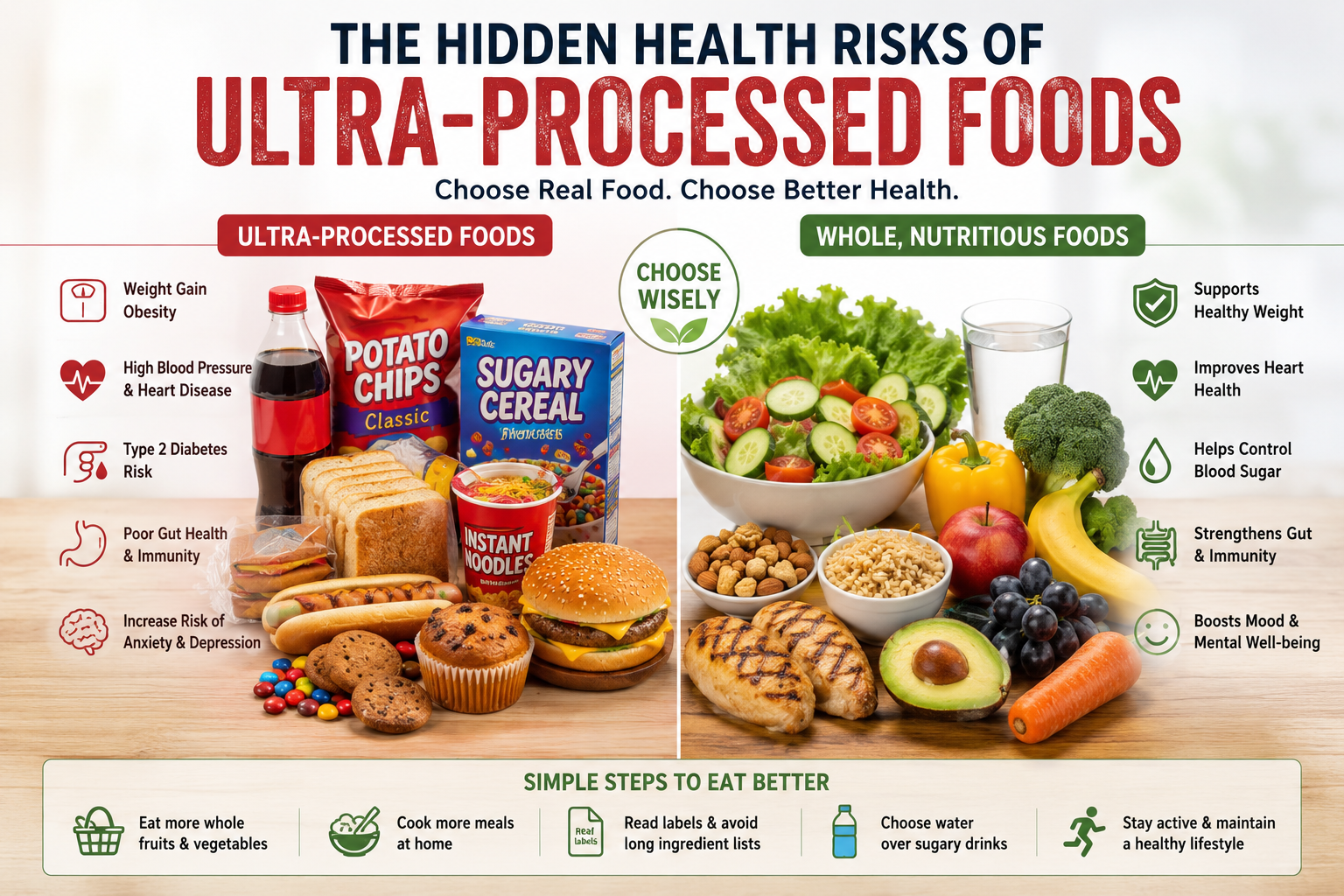
By Ultra-processed foods have become a major part of modern diets, but health experts are increasingly warning about their long-term effects on physical and mental well-being. From packaged snacks and sugary breakfast cereals to instant noodles, frozen meals, soft drinks, and processed meats, these foods are convenient, affordable, and widely available. However, recent health research suggests that regularly consuming large amounts of ultra-processed foods may increase the risk of obesity, type 2 diabetes, heart disease, certain cancers, depression, and even early death.
As lifestyles become busier, many people rely on ready-to-eat meals instead of cooking fresh food. While these products save time, they often contain high levels of added sugar, unhealthy fats, sodium, artificial flavors, preservatives, and food additives. At the same time, they are generally low in essential nutrients such as fiber, vitamins, minerals, and antioxidants that the body needs to function properly.
Nutrition experts define ultra-processed foods as industrially manufactured products made mostly from substances extracted from foods or synthesized in laboratories. Unlike minimally processed foods such as fresh fruits, vegetables, milk, rice, eggs, or whole grains, ultra-processed foods undergo multiple stages of manufacturing and contain ingredients rarely found in home kitchens.
One of the biggest concerns surrounding ultra-processed foods is their connection to obesity. These foods are designed to be highly palatable, encouraging people to eat more than they actually need. Their combination of sugar, salt, and unhealthy fats stimulates the brain’s reward system, making them difficult to resist. Since they are often low in fiber and protein, they do not keep people full for long, leading to increased calorie intake throughout the day.
Heart health is another area where researchers are raising concerns. Diets high in processed foods often contribute to elevated blood pressure, increased cholesterol levels, inflammation, and weight gain—all major risk factors for cardiovascular disease. Processed meats, including sausages, bacon, and hot dogs, are particularly associated with higher risks of heart disease when consumed regularly.
The growing number of diabetes cases worldwide has also been linked to unhealthy dietary habits. Ultra-processed foods often cause rapid spikes in blood sugar because they are rich in refined carbohydrates and added sugars. Frequent blood sugar fluctuations force the body to produce more insulin, increasing the likelihood of insulin resistance over time. This significantly raises the risk of developing type 2 diabetes.
Scientists are also exploring how processed foods affect gut health. The human digestive system contains trillions of beneficial bacteria that play an essential role in digestion, immunity, and overall health. Diets rich in fresh fruits, vegetables, legumes, and whole grains help maintain a healthy balance of gut bacteria. In contrast, excessive consumption of processed foods may reduce microbial diversity, potentially contributing to digestive disorders, inflammation, and weakened immunity.
Mental health has emerged as another important area of research. Several studies suggest that diets high in ultra-processed foods may be associated with an increased risk of anxiety and depression. Although scientists are still investigating the exact biological mechanisms, they believe inflammation, poor nutrient intake, and changes in gut bacteria may influence brain function and emotional well-being.
Children and adolescents are especially vulnerable because many processed foods are aggressively marketed toward younger consumers. Sugary cereals, flavored drinks, packaged snacks, and fast foods often replace healthier meals, increasing the risk of childhood obesity and long-term health complications. Nutrition experts encourage parents to introduce balanced eating habits early by offering fresh fruits, vegetables, dairy products, whole grains, and home-cooked meals whenever possible.
Fortunately, improving dietary habits does not require eliminating all processed foods overnight. Small, consistent changes can have a meaningful impact on long-term health. Replacing sugary drinks with water, choosing fresh fruit instead of packaged desserts, preparing meals at home several times a week, reading nutrition labels, and selecting products with fewer ingredients are practical steps that support healthier eating.
Meal planning is another effective strategy. Preparing meals in advance reduces dependence on convenience foods during busy workdays. Simple dishes made with vegetables, lean proteins, whole grains, and healthy fats provide balanced nutrition while helping people control portion sizes and ingredient quality.
Food manufacturers are also responding to growing consumer awareness by introducing products with reduced sugar, lower sodium, fewer artificial ingredients, and cleaner labels. While these options may offer improvements, health experts continue to recommend that whole, minimally processed foods remain the foundation of a healthy diet.
Governments and public health organizations worldwide are increasing efforts to educate consumers about healthy eating. Many countries are introducing front-of-package nutrition labels, limiting unhealthy food marketing aimed at children, and promoting awareness campaigns that encourage balanced diets and active lifestyles.
Healthcare professionals emphasize that no single food determines overall health. Instead, long-term dietary patterns matter most. Occasional indulgence in processed foods is unlikely to cause harm, but consistently choosing nutrient-rich foods supports better physical health, improved energy levels, stronger immunity, and reduced disease risk.
As awareness continues to grow, consumers are becoming more interested in understanding what goes into their food. Reading ingredient lists, making informed purchasing decisions, and prioritizing fresh ingredients are becoming essential habits for healthier living.
The conversation around ultra-processed foods is not about creating fear but about encouraging informed choices. By gradually replacing heavily processed products with wholesome, natural foods, individuals can take meaningful steps toward protecting their long-term health. In today’s fast-paced world, convenience is important—but making nutrition a priority may be one of the most valuable investments anyone can make for a healthier future.
Follow Us On Instagram