 By
By From Robots to Revenue: Why AI Is Moving Behind the Scenes of Restaurants in 2026
Restaurant chains are shifting AI from flashy customer-facing gadgets to practical systems that manage kitchens, inventory, labour, food waste and delivery operations.
The main story: AI is no longer just a restaurant gimmick
- The newest restaurant technology trend is not simply robot waiters or digital menus.
- The bigger shift is happening behind the scenes:
- Predicting demand
- Managing stock
- Scheduling employees
- Monitoring kitchen performance
- Optimising delivery routes
- Reducing waste
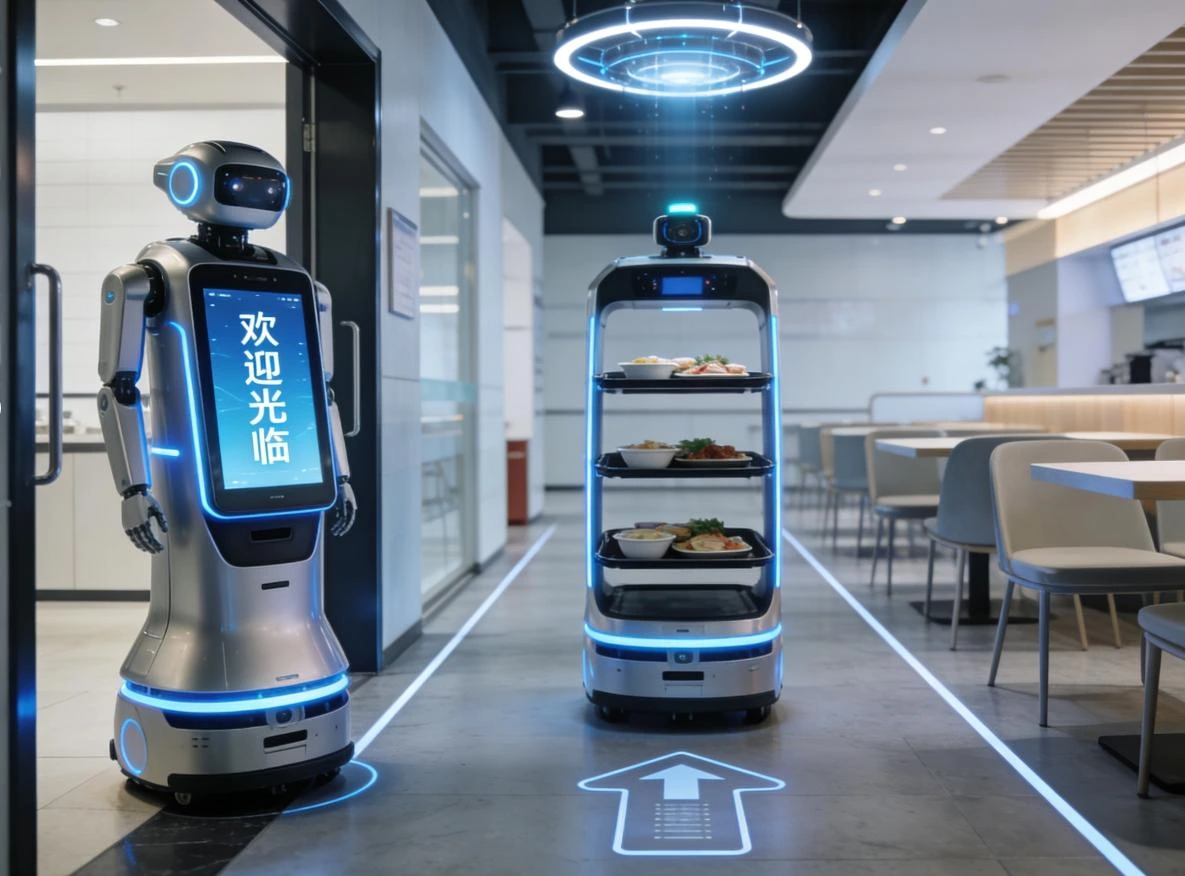
- Recent reporting on Chinese restaurant chains shows AI being used as an operational tool rather than only as a visual attraction.
- Hotpot operator Haidilao and major restaurant group Yum China are among the businesses integrating AI into day-to-day restaurant management.
- The food industry is now asking a more practical question:
- Not “Can a robot serve food?”
- But “Can technology make each outlet more profitable and consistent?”
Why this is trending now
- Restaurants are facing simultaneous pressure from:
- Rising labour costs
- Weak consumer spending
- Ingredient price volatility
- Delivery complexity
- Pressure to maintain consistent quality
- Demand for faster service
- AI is attractive because it can process large amounts of operational data more quickly than manual systems.
- A restaurant can use technology to identify:
- Which menu items sell at particular times
- When tables are likely to turn over
- Which ingredients are being wasted
- Which delivery routes cause delays
- Which shifts need more staff
- This makes AI an economic decision, not simply a technology experiment.
How restaurants are using AI inside the business
- AI-assisted video analysis can help restaurants track:
- Queue length
- Table turnover
- Service delays
- Unused seating
- Staff movement
- Inventory systems can monitor:
- Ingredient levels
- Reorder timing
- Product expiry
- Cold-storage usage
- High-waste items
- Scheduling systems can estimate staffing needs based on:
- Day of week
- Weather
- Holidays
- Local events
- Historical ordering patterns
- Delivery platforms can use AI to optimise:
- Driver allocation
- Order batching
- Route planning
- Estimated delivery times
- Together, these systems can reduce the small inefficiencies that quietly damage restaurant margins.
The Haidilao example
- Haidilao, a major hotpot chain with more than 1,200 locations, has been using technology for:
- Table-management analysis
- Food-delivery robots
- Kitchen automation
- Inventory control
- Its overseas unit, Super Hi International, reported an operating-margin increase from 6.4% to 10.7%, while Yum China recorded its ninth consecutive quarter of margin growth at 11.1%.
- These figures cannot be attributed to AI alone.
- Restaurant performance also depends on:
- Menu changes
- Pricing
- Store locations
- Labour management
- Consumer demand
- Still, the numbers show why restaurant groups are willing to invest in automation.
The fresh-cooking problem: can robots prepare real food?
- One of the more interesting developments is the use of intelligent food trucks for freshly cooked Chinese meals.
- JD.com’s 7Fresh Kitchen introduced an AI-powered food truck with:
- Three intelligent cooking robots
- Automated stir-frying
- A smart coffee machine
- AI-supported recipes
- Standardised supply-chain systems
- The system is designed for crowded events where organisers need fresh, hot food but have limited kitchen space.
- This is different from reheating frozen meals.
- The goal is to automate part of the cooking process while preserving the appearance of made-to-order food.
Why standardisation matters for Chinese cuisine
- Chinese restaurants expanding internationally often face two practical problems:
- Shortage of trained chefs
- Variation in taste between locations
- AI recipe databases and automated cooking systems attempt to solve both.
- A standardised system can control:
- Cooking time
- Oil quantity
- Sauce ratios
- Heat levels
- Portion size
- This could make it easier for regional dishes to travel across borders.
- But standardisation also creates a cultural question:
- Is the dish still authentic if the technique is heavily automated?
- That debate will become more important as food brands export not only recipes, but complete technology-enabled restaurant models.
The India opportunity
- Indian restaurants could use similar systems for:
- Biryani portioning
- Dosa batter control
- Gravy consistency
- Tandoor timing
- Cloud-kitchen inventory
- Delivery forecasting
- Food-waste tracking
- Hyderabad, Bengaluru, Mumbai and Delhi have large delivery markets where small operational improvements can create meaningful savings.
- AI could help multi-outlet brands maintain consistency in:
- Spice levels
- Serving sizes
- Preparation timing
- Ingredient usage
- The strongest Indian use cases may be in:
- QSR chains
- Cloud kitchens
- Food courts
- Airport food outlets
- Large canteens
- Event catering
- Smaller independent restaurants may struggle to justify the cost unless these tools become cheaper and easier to install.
What customers may gain
- Better forecasting could mean fewer “sold out” items.
- More accurate stock management could improve ingredient freshness.
- Faster order processing may reduce delivery delays.
- Automated checks could help identify operational mistakes earlier.
- Technology may also make it easier to offer:
- Custom spice levels
- Dietary filters
- Allergen alerts
- Nutrition information
- But these benefits depend on the quality of the data and the way the system is configured.
The blank spots and risks
- AI does not automatically create better food.
- A restaurant can become highly efficient while still serving an uninteresting menu.
- Risks include:
- Over-standardisation
- Reduced human interaction
- Expensive technology that fails during peak hours
- Poor data quality
- Privacy concerns from camera-based monitoring
- Staff displacement without retraining
- There is also a hidden opportunity cost:
- Money spent on automation may be wasted if the real problem is poor menu design, weak training or bad purchasing decisions.
- Restaurants should solve the business problem first and then choose the technology.
The cultural context
- Food is not only a production process.
- It also carries:
- Memory
- Skill
- Hospitality
- Regional identity
- Human judgement
- AI can help a restaurant repeat a sauce ratio, but it cannot automatically reproduce the meaning of a family recipe or the warmth of a skilled server.
- The most sustainable model will likely be collaboration:
- Humans handle judgement, hospitality and creativity.
- Technology handles repetition, measurement and forecasting.
Strong takeaway
- The restaurant technology story of 2026 is moving away from theatrical robots and toward invisible efficiency.
- The most valuable AI system may be the one the customer never notices:
- The right ingredient arrives on time.
- The kitchen wastes less.
- The meal is consistent.
- The delivery reaches the customer faster.
- Final takeaway:
“The future restaurant may not look robotic from the dining room; its biggest transformation may happen in the systems that keep the food moving.”
Follow Us On Instagaram