


 By
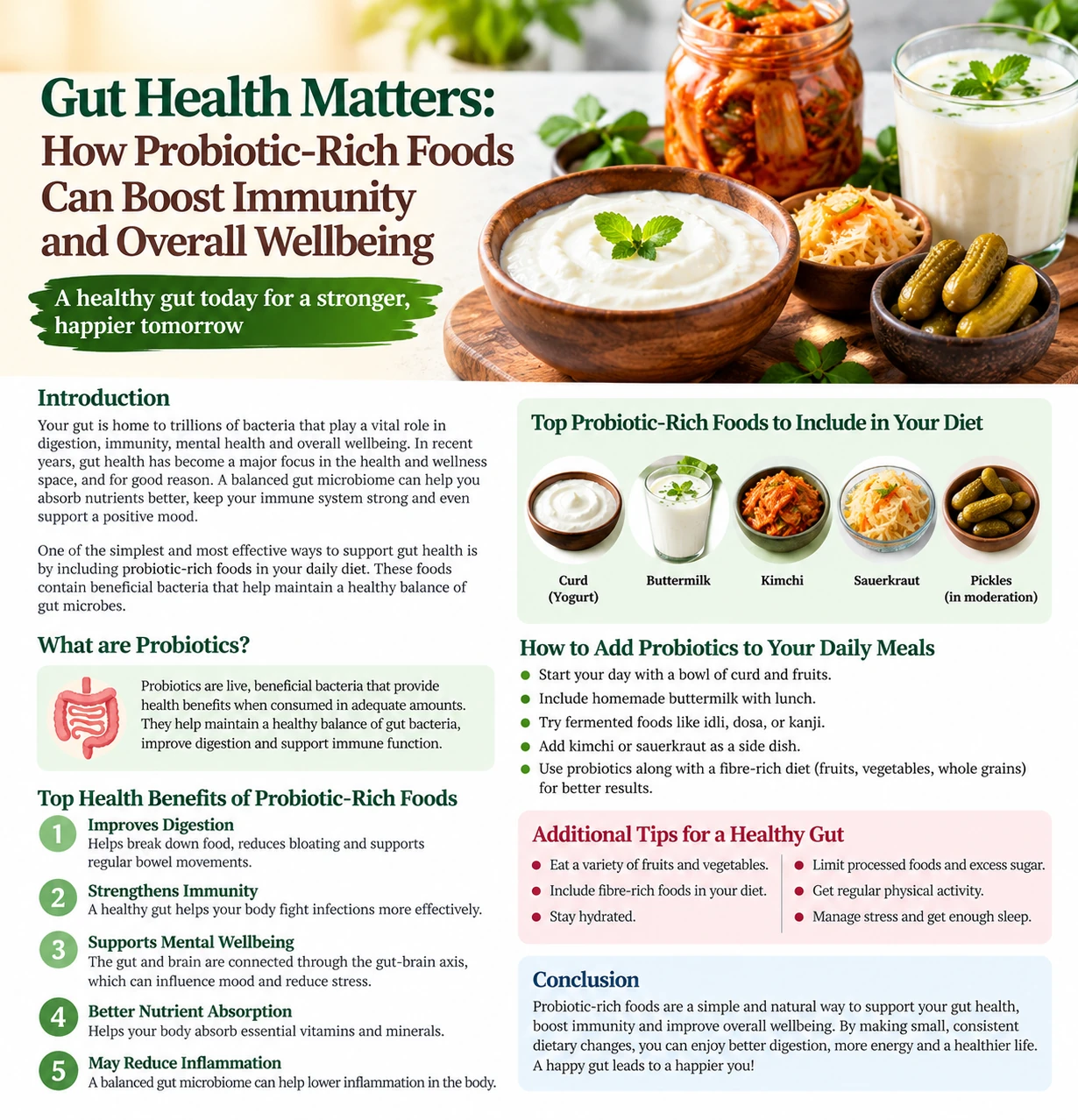
Introduction: Why Gut Health Matters
Your digestive system does much more than process food. It helps your body absorb nutrients, supports immune function, and houses trillions of microorganisms that form the gut microbiome. Maintaining a healthy digestive system is an important part of overall wellbeing.
Gut health has become a popular topic in nutrition discussions because everyday habits, including food choices, sleep, physical activity, and stress management, can influence digestion.
The good news is that supporting digestive health does not always require expensive supplements or complicated diets. Small, consistent changes can make a meaningful difference.
What Is Gut Health?
Gut health refers to how well your digestive system functions and how balanced its community of microorganisms is.
A healthy digestive system generally helps you:
- Digest food comfortably.
- Absorb essential vitamins and minerals.
- Maintain regular bowel movements.
- Support normal immune function.
- Tolerate a variety of nutritious foods.
Occasional digestive discomfort can happen to anyone. However, persistent symptoms should not automatically be attributed to poor gut health.
Top 5 Benefits of Supporting Your Gut
1. Better digestion
A varied diet containing fibre can help support regular bowel movements. Fibre-rich foods include oats, beans, lentils, vegetables, fruits, and whole grains.
2. Support for immune function
The gut and immune system interact closely. A balanced diet, adequate sleep, and healthy daily habits support normal immune function.
3. Improved nutrient absorption
Your digestive system breaks down food and absorbs nutrients needed for energy, growth, and normal body functions. Eating a variety of foods helps provide essential nutrients.
4. A connection with mental wellbeing
The gut and brain communicate through a network known as the gut-brain axis. Researchers continue to investigate how this relationship affects mood and wellbeing. Gut health is only one part of mental health.
5. Support for a diverse gut microbiome
Eating different plant foods provides different types of fibre that gut microorganisms can use. Variety is generally more helpful than relying on a single so-called superfood.
Best Foods to Include in Your Daily Diet
Here are some everyday options that can support digestive health.
- Curd and yoghurt: Provide protein and calcium; some varieties contain live cultures.
- Oats: Supply soluble fibre.
- Bananas: Provide fibre and convenient energy.
- Vegetables: Offer fibre, vitamins, and minerals.
- Beans and lentils: Supply fibre and plant-based protein.
- Whole grains: Help increase daily fibre intake.
- Fermented foods: Foods such as certain yoghurts and fermented vegetables may provide live microorganisms.
Not every fermented food is a probiotic, and health effects depend on the specific microorganism and food.
Simple Daily Habits for a Healthier Gut
Eat more fibre gradually
Include vegetables, fruit, whole grains, beans, and lentils in your meals. Increase fibre gradually to reduce gas and bloating, and drink enough water.
Stay hydrated
Water helps normal digestion and can help prevent constipation. Your needs vary according to activity, weather, and individual circumstances.
Maintain a regular eating routine
Choose balanced meals and eat at a comfortable pace. Notice whether particular foods repeatedly cause discomfort rather than unnecessarily eliminating entire food groups.
Stay physically active
Walking, cycling, dancing, and other enjoyable physical activities can support general health and normal bowel function.
Get enough sleep
A consistent sleep routine supports overall health. Stress management, relaxation, and regular sleep may also help people who experience stress-related digestive discomfort.
Foods and Habits to Limit
For better digestive comfort, consider these practical steps:
- Limit excessive consumption of highly processed foods.
- Reduce sugary drinks if they regularly replace water or nutritious beverages.
- Avoid suddenly increasing fibre intake.
- Do not take probiotic supplements without considering whether they are appropriate for you.
- Avoid restrictive diets unless recommended by a qualified healthcare professional.
There is no single diet that works for everyone. Individual needs, allergies, intolerances, and existing digestive conditions can affect food choices.
When Should You Seek Medical Advice?
Occasional bloating or constipation may improve with appropriate dietary and lifestyle changes. However, persistent or worsening symptoms deserve medical assessment.
Consult a healthcare professional if you experience ongoing abdominal pain, repeated digestive problems, unexplained weight changes, blood in your stool, or other concerning symptoms. Severe pain, significant bleeding, or signs of dehydration may require urgent care.
Conclusion: Small Habits, Better Digestive Health
Supporting gut health begins with everyday choices. Eating a varied, fibre-rich diet, drinking enough water, staying active, sleeping well, and managing stress can help support digestion and overall wellbeing.
Instead of searching for one miracle food, focus on building sustainable habits that fit your lifestyle. If digestive symptoms continue, seek professional advice rather than relying only on home remedies.
Follow Us On Instagaram