 By
By Introduction: Traditional Grains Are Making a Comeback
Indian food culture is experiencing a renewed interest in traditional grains and wholesome homemade meals. Millets such as ragi, jowar, bajra, foxtail millet, and little millet are gaining attention as people explore alternatives to everyday rice and wheat dishes. These grains have been part of Indian kitchens for generations, and they are now appearing in modern recipes, restaurant menus, breakfast bowls, snacks, and healthy lunch options.
One of the most interesting food trends today is the combination of traditional Indian ingredients with modern cooking styles. From millet dosa to colourful millet salads, these dishes offer fresh ideas for people who want variety, flavour, and convenience in their daily meals.
Why Are Millet-Based Foods Trending?
Millet foods are attracting interest because they connect traditional cooking with contemporary food preferences. Instead of introducing completely unfamiliar ingredients, many home cooks are finding creative ways to use grains that Indian families already know.
Here are some important reasons behind their growing popularity:
- Traditional food revival: People are rediscovering regional grains and recipes.
- Dietary variety: Millets provide alternatives to familiar rice and wheat dishes.
- Creative recipes: These grains can be used in dosa, upma, khichdi, porridge, and salads.
- Home-cooking convenience: Many millet recipes can be prepared with everyday ingredients.
- Food content trends: Colourful bowls and creative recipes are easy to photograph and share on social media.
Top Millet Foods to Try in 2026
1. Foxtail Millet Upma
Foxtail millet upma is a delicious alternative to traditional semolina upma. It can be prepared with onions, carrots, beans, green peas, curry leaves, mustard seeds, and other familiar Indian spices.
This dish works well for breakfast or a light meal. Adding vegetables and a suitable protein source can make it more balanced and satisfying.
2. Ragi Dosa
Ragi dosa brings the earthy flavour of finger millet to a popular South Indian favourite. It can be served with coconut chutney, tomato chutney, or sambar.
For a simple home recipe, combine ragi flour with suitable dosa batter ingredients, prepare a pourable mixture, and cook it on a lightly greased hot pan until the edges become crisp.
3. Jowar Vegetable Roti
Jowar roti is a traditional flatbread made using sorghum flour. It pairs well with vegetable curries, dal, leafy greens, and curd.
Jowar can be a useful addition to a varied diet because it provides fibre and other nutrients. Serve it with different accompaniments to create a wholesome everyday meal.
4. Millet Vegetable Khichdi
Millet khichdi is a comforting one-pot meal made with millet, lentils, vegetables, and spices. It is suitable for lunch or dinner and can be adjusted according to individual taste.
Try adding carrots, peas, beans, cumin, ginger, and turmeric. The result is a colourful, flavourful dish that combines grains, vegetables, and pulses in one bowl.
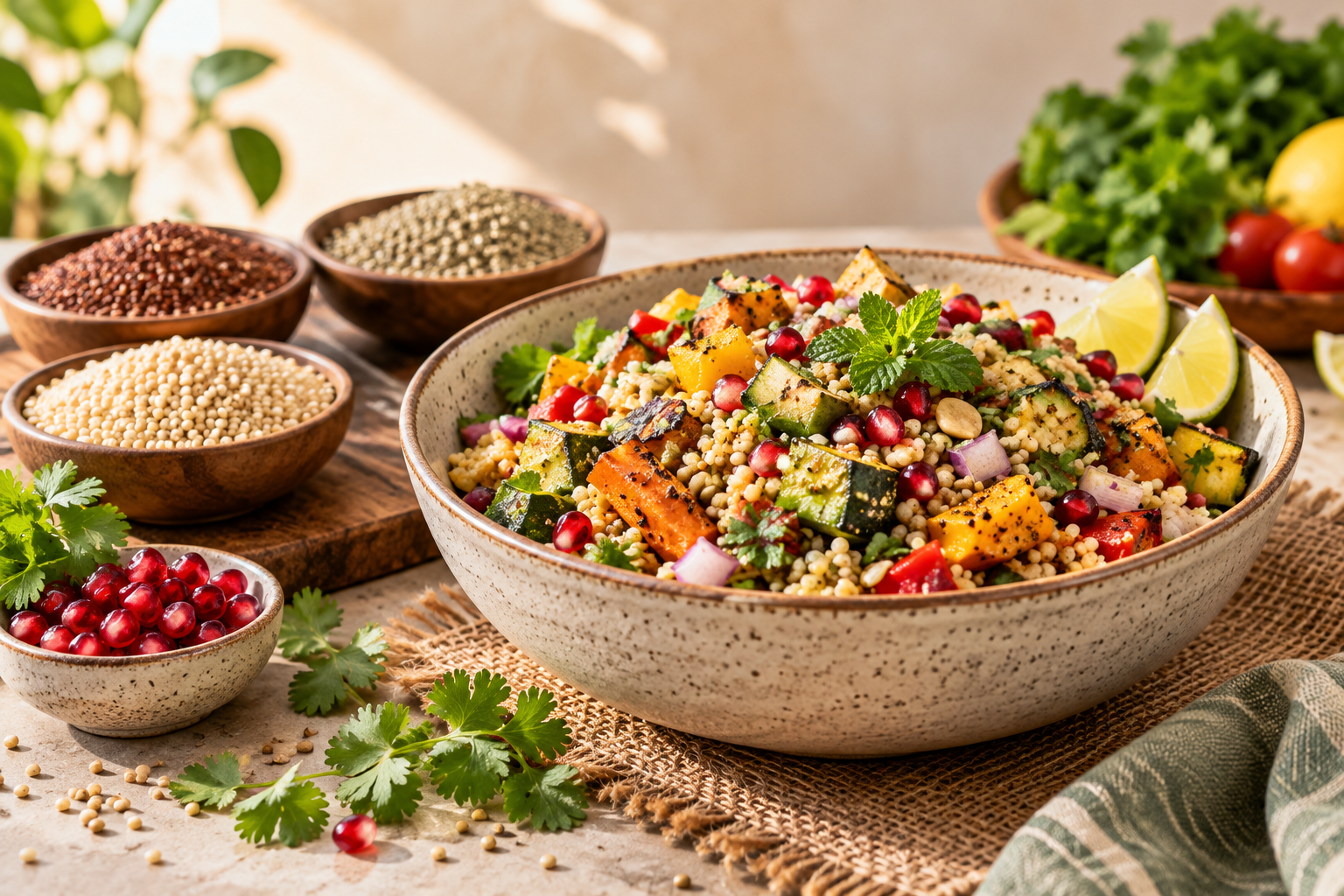
5. Colourful Millet Salad Bowl
Millet salad bowls are a modern way to serve traditional grains. Combine cooked and cooled millet with cucumber, tomatoes, carrots, herbs, lemon juice, and roasted seeds.
For additional variety, include chickpeas, paneer, or another suitable protein source. The combination of colours, textures, and fresh ingredients makes this dish appealing for both everyday meals and food photography.
Nutritional Benefits of Including Millets
Different millet varieties provide different amounts of fibre, protein, minerals, and other nutrients. Whole or minimally processed millet can contribute to a varied and balanced diet.
Some potential benefits of including suitable millet dishes are:
- Fibre intake: Certain millets provide dietary fibre that supports normal digestion.
- Dietary variety: Rotating grains can make everyday meals more interesting.
- Plant-based nutrients: Millets contribute nutrients that complement vegetables, pulses, and other foods.
- Meal flexibility: They can be used in breakfast, lunch, dinner, and snack recipes.
However, no single grain provides every nutrient the body needs. A balanced diet should include a variety of grains, vegetables, fruits, protein-rich foods, and other suitable ingredients. People with specific dietary needs should choose foods according to professional advice.
How to Add Millet Foods to Your Daily Routine
You do not need to change your entire diet to explore this trend. Start by replacing one familiar grain-based dish with a millet alternative and see which recipes you enjoy.
Try these simple ideas:
- Prepare foxtail millet upma for breakfast.
- Serve jowar roti with dal and vegetables.
- Make millet khichdi for a convenient lunch.
- Experiment with ragi dosa for dinner.
- Prepare a colourful millet salad for a weekend meal.
Wash and cook grains according to the package instructions, and store cooked food safely. Combining millets with pulses, vegetables, and other ingredients can help create more varied meals.
Why This Trend Is Important for Indian Food Culture
The growing interest in millet-based dishes demonstrates how traditional ingredients can find a place in modern lifestyles. Indian regional cuisines already offer many ways to prepare these grains, from simple flatbreads to fermented batters and comforting porridges.
Food creators, home cooks, and restaurants can introduce these recipes to new audiences by focusing on authentic flavours, attractive presentation, and practical cooking methods. Rather than treating traditional food as old-fashioned, the current trend gives it a fresh identity.
It also creates opportunities for experimenting with familiar ingredients. A classic millet recipe can be presented in a modern bowl, adapted with seasonal vegetables, or served with a contemporary chutney while retaining its traditional character.
Conclusion: Make Traditional Grains Part of Modern Meals
Millet-based foods are an exciting topic in India’s evolving food culture. Foxtail millet upma, ragi dosa, jowar roti, millet khichdi, and colourful salad bowls offer plenty of inspiration for home cooks looking to explore traditional grains in new ways.
The best approach is to enjoy variety rather than follow every food trend blindly. Choose recipes that suit your preferences, combine different food groups, and appreciate the flavours of India’s regional cooking traditions.
As traditional grains continue to attract attention, millet recipes offer a delicious opportunity to connect heritage, creativity, and everyday cooking.
Follow Us On Instagaram