

 By
By From Chive Oil to Nori Oil — How Chefs Are Using Flavoured Oils to Transform Modern Dishes
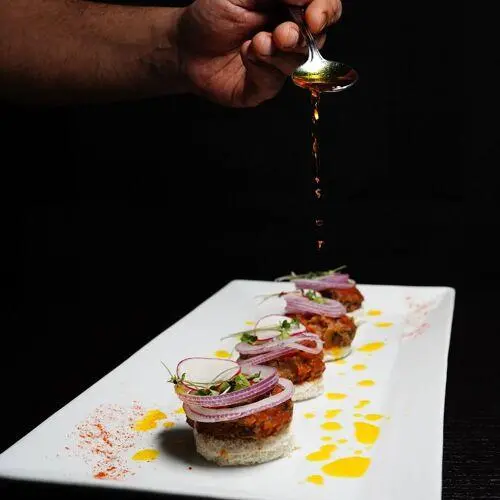
A plate of food can look completely different with just a few drops of oil.
Across India’s contemporary restaurant scene, chefs are increasingly experimenting with flavoured and infused finishing oils to add aroma, colour, richness and visual appeal to dishes.
These aren’t simply cooking oils used to fry or sauté food.
Instead, they are carefully prepared oils containing flavours from ingredients such as herbs, chillies, spices, vegetables and seaweed, and are often added at the very end of plating.
Recent reporting from Mint describes flavoured oils becoming increasingly prominent in India’s contemporary dining scene, with chefs using ingredients including chives, nasturtium and nori to create distinctive finishing oils.
The result is a small ingredient creating a surprisingly large impact.
🫒 What Exactly Is a Finishing Oil?
The Oil Is Added After Cooking
A finishing oil is generally used at the end of cooking or during plating rather than as the main cooking medium.
A chef may add a few drops over:
- Grilled vegetables
- Fish
- Meat
- Soups
- Rice dishes
- Pasta
- Salads
- Dips
- Fine-dining starters
The purpose isn’t necessarily to make the dish oily.
The goal is to introduce a concentrated layer of flavour and aroma.
🌿 Herbs Are Becoming Oil Ingredients
Fresh Herbs Can Become More Than Garnishes
One of the most interesting aspects of the trend is the way chefs are moving herbs from garnish to actual flavour-building ingredients.
Chive oil, for example, can bring a fresh onion-like aroma and vibrant green colour to a dish.
Other possibilities include:
- Basil oil
- Coriander oil
- Mint oil
- Curry-leaf oil
- Parsley oil
- Rosemary oil
- Nasturtium oil
At Bengaluru’s Farmlore, chef Johnson Ebenezer has been using produce from the restaurant’s own farm to create flavoured oils, including chive and nasturtium oils.
This also demonstrates how restaurant gardens and locally grown produce can influence the final presentation of a dish.
🌊 Nori Oil Shows How Global Flavours Are Entering Indian Plates
Seaweed Is Moving Beyond Sushi
Nori is traditionally associated with Japanese cuisine.
But chefs can extract its distinctive savoury, marine character into oil and use it in other culinary contexts.
This creates an interesting bridge between cuisines.
Instead of putting a whole sheet of nori on a dish, a chef can use a small quantity of nori-infused oil to introduce umami and aroma without dominating the plate.
This fits into a larger 2026 restaurant trend where chefs are exploring globally rooted ingredients while incorporating them into contemporary dishes.
🎨 Why Finishing Oils Are So Popular With Chefs
One Ingredient Can Change Both Taste and Appearance
Finishing oils offer something particularly valuable in modern restaurants:
flavour + colour + presentation.
A bright green herb oil can make a neutral-coloured dish visually striking.
A red chilli oil can immediately communicate heat.
A dark aromatic oil can add contrast to a light-coloured sauce.
This makes the ingredient useful not only for taste but also for food presentation and photography.
In an era where restaurant dishes are frequently photographed and shared online, visual presentation has become an important part of the dining experience.
🍽️ From Fine Dining to Everyday Food
The Trend Doesn’t Have to Stay Inside Luxury Restaurants
Although finishing oils are currently particularly visible in contemporary and fine dining, the basic idea is easy to adapt at home.
For example:
Dal + garlic-chilli oil
Dosa + curry-leaf oil
Grilled paneer + coriander oil
Soup + herb oil
Pasta + basil oil
Roasted vegetables + chilli oil
This makes the trend especially interesting because the technique doesn’t necessarily require expensive ingredients.
The difference is often in how the oil is prepared and how carefully it is used.
🌶️ Indian Cuisine Has Huge Potential Here
Indian Spices Can Become Modern Finishing Oils
India already has an enormous range of aromatic ingredients that can be transformed into infused oils.
Imagine:
- Curry-leaf oil
- Kashmiri chilli oil
- Black pepper oil
- Garlic oil
- Mustard oil infusion
- Coriander oil
- Ginger oil
- Fenugreek oil
- Turmeric oil
- Smoked chilli oil
This creates opportunities for chefs to reinterpret familiar Indian flavours in a modern format.
Instead of adding large quantities of masala to a dish, a chef can introduce a concentrated aromatic element at the final stage.
🌱 The Farm-to-Plate Connection
Fresh Produce Can Become Part of the Restaurant’s Signature
Flavoured oils can also strengthen the relationship between restaurants and their own farms or local suppliers.
When herbs and edible flowers are grown close to the kitchen, chefs can experiment with seasonal ingredients and develop oils around what is currently available.
At Farmlore, the chef’s daily farm walk is directly connected to decisions about which produce can be turned into flavoured oils.
This creates a menu that can change with the seasons instead of remaining completely fixed.
🧑🍳 Why Chefs Like the Technique
A Few Drops Can Deliver a Big Difference
There are several practical reasons chefs may find finishing oils attractive.
1. Concentrated flavour
Small amounts can deliver a distinctive aroma.
2. Visual impact
Coloured oils can transform presentation.
3. Flexibility
One oil can work across several dishes.
4. Seasonal creativity
Chefs can develop oils around fresh herbs and produce.
5. Global influence
Ingredients from different cuisines can be incorporated without changing the entire dish.
🔥 What Could Come Next?
Expect More Regional and Unexpected Oil Combinations
As chefs experiment with finishing oils, we could see more combinations such as:
- Curry leaf + coconut
- Chilli + sesame
- Coriander + lime
- Garlic + black pepper
- Nori + sesame
- Basil + green chilli
- Smoked tomato + chilli
- Mustard seed + curry leaf
The next step could be restaurants developing a signature finishing oil that becomes part of their identity.
📈 The Bigger Food Trend
Modern Food Is Increasingly About Small Details
The finishing-oil trend represents a broader shift in contemporary cooking.
Instead of constantly adding more ingredients, chefs are becoming interested in precision.
A dish doesn’t necessarily need ten additional toppings.
Sometimes one carefully designed ingredient can change the entire experience.
That philosophy is visible across 2026 restaurant trends, with chefs focusing on intentional dining, specific global flavours, sauces and carefully controlled presentation.
💡 Final Takeaway
The Future of Restaurant Flavour May Come in Drops
Finishing oils may look like a small detail, but they demonstrate how modern chefs are thinking differently about flavour.
Herbs, spices, vegetables and global ingredients are being transformed into concentrated oils that can add aroma, colour, texture and personality to a dish.
And the most exciting part is that this technique isn’t limited to fine dining.
The same concept can inspire home cooks to take familiar Indian dishes and give them a completely new finish.
Trending News Guru takeaway:
🫒 The next big food upgrade may not be a new dish—it may be just a few perfectly placed drops of flavour.
Follow Us On Instagaram