 By
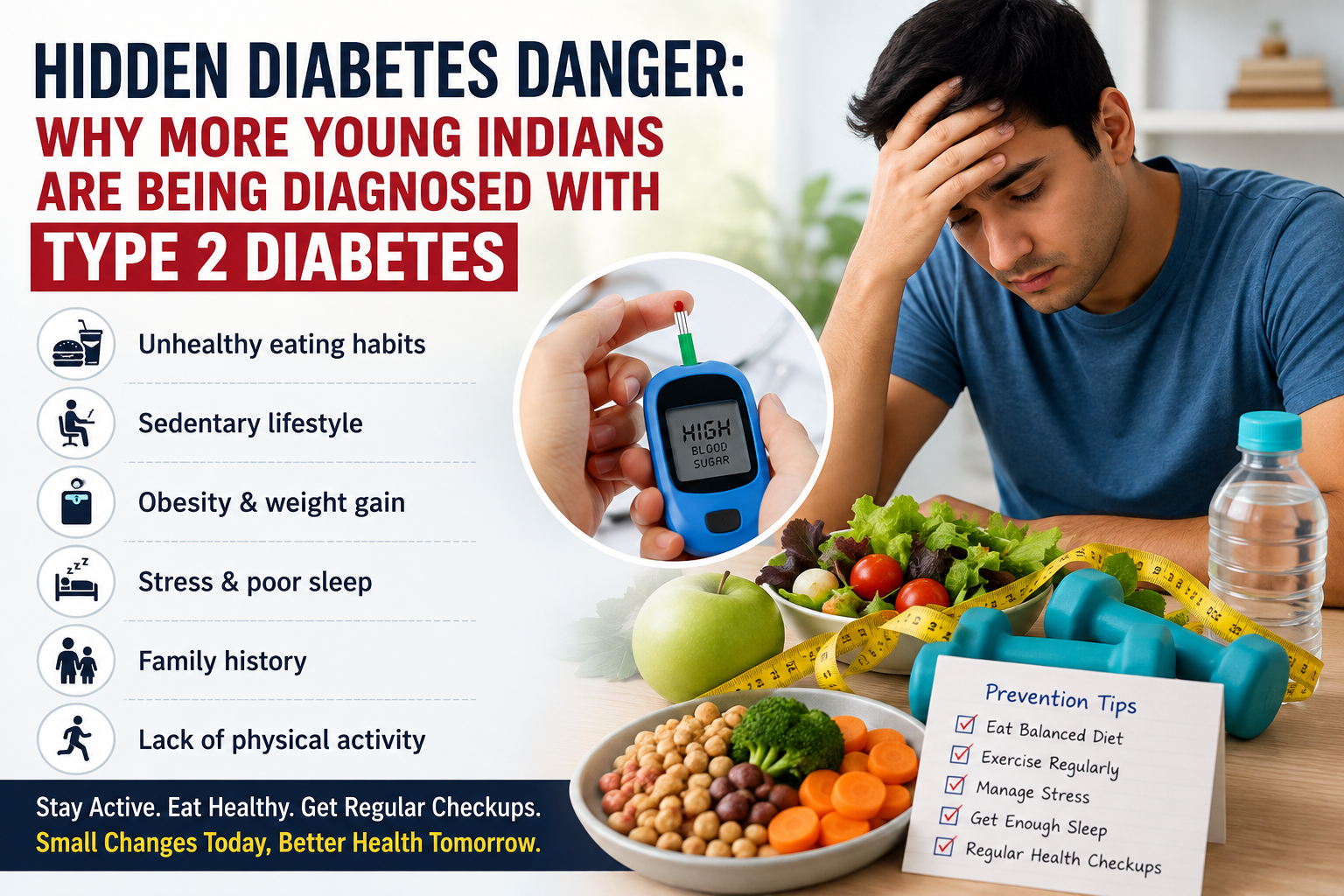
By Type 2 diabetes, once considered a disease affecting middle-aged and older adults, is now becoming increasingly common among young Indians. Health experts are raising concerns as hospitals across the country report a steady rise in diabetes cases among people in their 20s and 30s. Sedentary lifestyles, unhealthy eating habits, rising obesity, stress, and lack of physical activity are emerging as the primary reasons behind this alarming trend.
India is already known as one of the countries with the highest number of people living with diabetes. However, what is worrying doctors is that the disease is now being diagnosed at much younger ages than ever before. Early-onset Type 2 diabetes can increase the risk of long-term complications, including heart disease, kidney failure, nerve damage, vision loss, and stroke, making early awareness and prevention more important than ever.
One of the biggest reasons behind this growing health concern is the changing lifestyle of today’s generation. Long working hours, excessive screen time, lack of exercise, irregular sleeping patterns, and increased consumption of processed foods have contributed significantly to rising blood sugar levels. Fast food, sugary beverages, packaged snacks, and high-calorie diets have become part of everyday life, while physical activity has declined considerably.
Obesity is another major factor contributing to the rise of Type 2 diabetes. Excess body fat, especially around the abdomen, makes the body less responsive to insulin, a hormone responsible for regulating blood sugar levels. Over time, insulin resistance develops, causing glucose to build up in the bloodstream instead of being used as energy. This eventually leads to diabetes if left unmanaged.
Family history also plays an important role. Individuals with parents or close relatives who have diabetes are at a higher risk of developing the condition themselves. However, experts emphasize that genetics alone are not responsible. Healthy lifestyle choices can significantly reduce the risk even among people with a family history of diabetes.
Recognizing the early warning signs is essential for timely diagnosis and treatment. Common symptoms include frequent urination, excessive thirst, increased hunger, unexplained weight loss, constant fatigue, blurred vision, slow-healing wounds, recurring infections, and numbness or tingling in the hands and feet. Anyone experiencing these symptoms should consult a healthcare professional and undergo blood sugar testing.
Doctors recommend regular health screenings, particularly for individuals who are overweight, physically inactive, or have a family history of diabetes. Simple blood tests such as fasting blood sugar, post-meal blood sugar, and HbA1c can help detect diabetes or prediabetes before serious complications develop. Early diagnosis allows patients to manage the condition through lifestyle changes and medication when necessary.
Diet plays a crucial role in diabetes prevention and management. Health experts encourage people to consume balanced meals rich in whole grains, fresh vegetables, fruits, legumes, lean proteins, and healthy fats while reducing the intake of refined carbohydrates, sugary foods, and processed snacks. Portion control and regular meal timings are equally important for maintaining stable blood sugar levels.
Regular physical activity is another key factor in preventing diabetes. Adults are advised to engage in at least 150 minutes of moderate exercise each week, including brisk walking, cycling, swimming, or strength training. Exercise improves insulin sensitivity, supports weight management, and promotes overall cardiovascular health.
Stress management is also becoming increasingly important. Chronic stress causes the release of hormones that can raise blood sugar levels and contribute to unhealthy eating habits. Activities such as yoga, meditation, deep breathing exercises, and adequate sleep can help reduce stress and improve overall well-being.
Healthcare experts also advise limiting smoking and alcohol consumption, both of which increase the risk of diabetes-related complications. Staying hydrated, maintaining a healthy weight, and scheduling regular medical check-ups can go a long way in preventing the disease or managing it effectively after diagnosis.
Public health experts believe awareness remains one of the strongest tools in tackling the growing diabetes epidemic. Schools, workplaces, and communities can play a vital role by promoting healthy eating habits, encouraging physical activity, and organizing routine health screening programmes. Small lifestyle changes made today can prevent serious health complications in the future.
As India continues to face an increasing burden of diabetes, the message from healthcare professionals is clear: prevention is always better than treatment. Making healthier food choices, staying physically active, getting enough sleep, and undergoing regular health check-ups can significantly reduce the risk of developing Type 2 diabetes. By taking proactive steps now, young adults can protect their health and reduce the growing impact of this silent disease on future generations.
Follow Us On Instagram