


 By
By Gut health is becoming one of the major topics in modern healthcare, with the 2026 World Congress of Gastroenterology recently bringing global attention to gastrointestinal health in New Delhi. The discussion is moving beyond simply treating acidity or stomach pain toward prevention, early diagnosis and long-term digestive health.
What Exactly Is Gut Health?
Your digestive system does much more than digest food. It is involved in nutrient absorption, bowel function and interactions with the body’s immune system.
A healthy gut is not simply about having a bowel movement every day. It is about having a digestive system that functions comfortably and consistently.
Your Everyday Food Choices Matter
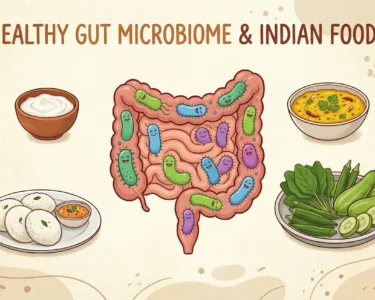
A practical way to support digestive health is to eat a varied diet rich in fibre and minimally processed foods.
Try including:
- 🥬 Vegetables
- 🍎 Whole fruits
- 🫘 Dal, beans and lentils
- 🌾 Whole grains
- 🥜 Nuts and seeds
- 🥛 Curd or other fermented foods, when suitable
Instead of searching for one “best” probiotic food, focus on overall dietary variety.
Fibre Is One of the Most Important Nutrients for Your Gut
Fibre helps support normal bowel function and is found naturally in foods such as:
Fruits + vegetables + legumes + whole grains + nuts + seeds
If your current diet is low in fibre, increase it gradually and drink adequate fluids. A sudden large increase can cause bloating in some people.
Don’t Blame Every Stomach Problem on “Bad Gut Bacteria”
This is where social media gets misleading.
Bloating, constipation, diarrhoea or acidity can have many different causes. Not every digestive problem means you need a probiotic supplement, detox drink or expensive gut-health product.
Persistent or recurrent symptoms deserve proper medical evaluation.
Antibiotics Can Also Affect the Gut
Antibiotics are useful when medically indicated for bacterial infections, but unnecessary use can contribute to antimicrobial resistance and can also disturb the normal balance of microorganisms in the gut. WHO identifies antimicrobial resistance as a major global health threat.
So:
Don’t take antibiotics simply because you have a fever, cold or stomach upset unless a healthcare professional recommends them.
When Should You See a Doctor?
Don’t keep treating recurring digestive symptoms yourself if you experience:
- Persistent abdominal pain
- Blood in stool
- Unexplained weight loss
- Repeated vomiting
- Persistent diarrhoea or constipation
- Difficulty swallowing
- Symptoms that repeatedly wake you from sleep
These symptoms can have many causes and should be assessed appropriately.
Today’s Health Takeaway
“Gut health isn’t about buying a probiotic—it starts with what you consistently eat.”
A simple foundation is:
More dietary variety + 🌾 enough fibre + 💧 adequate fluids + 🚶 regular movement + 💊 responsible medicine use
And don’t fall for every viral “gut detox” or miracle supplement claim. Your digestive system doesn’t need an expensive cleanse to function normally.
This article is for general health awareness and does not replace advice from a qualified healthcare professional.
Follow Us On Instagaram