 By
By Introduction
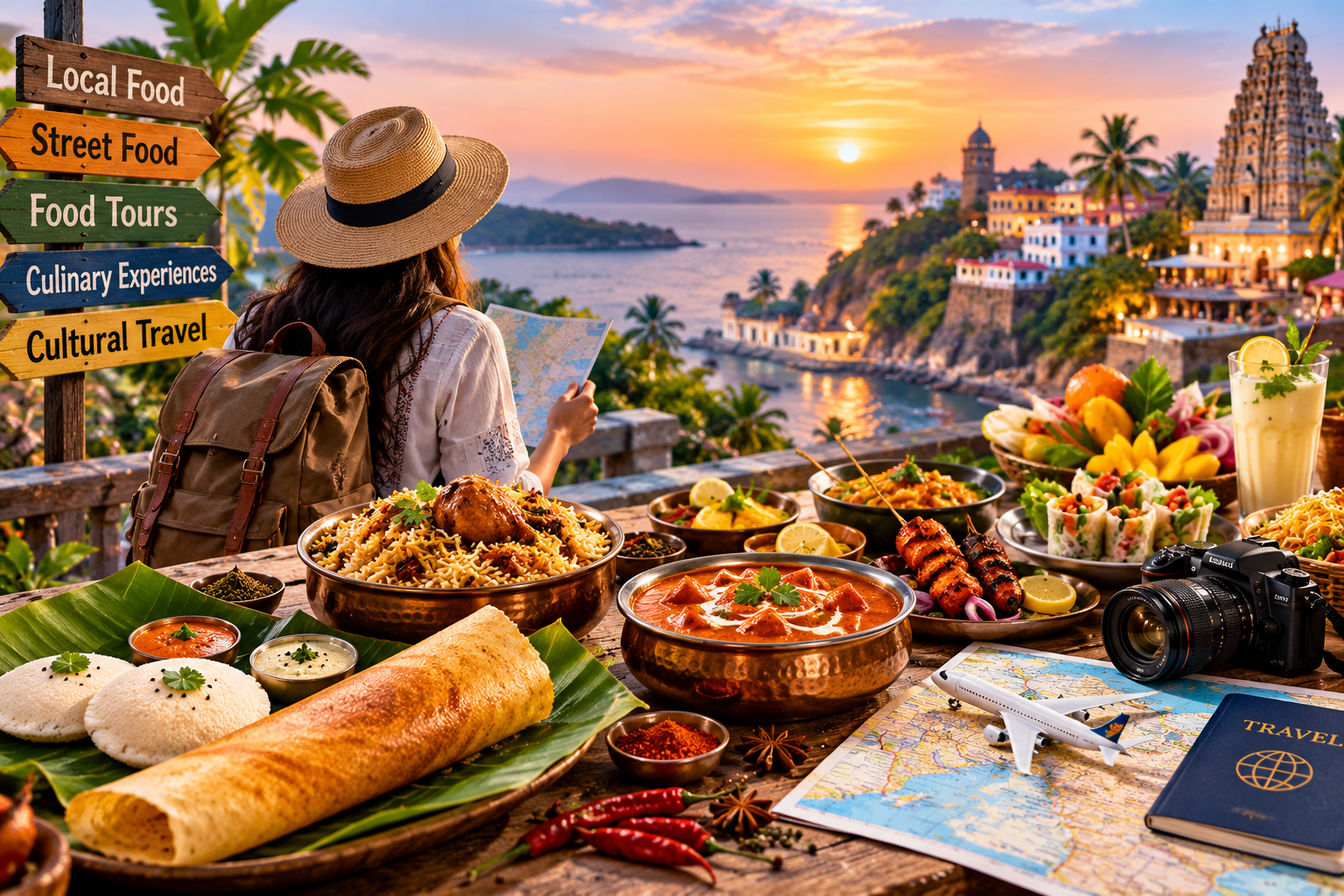
Travel is no longer just about visiting famous monuments, relaxing at hotels, or taking beautiful photographs. For many travellers, discovering the local food has become an important part of the journey. From tasting street food in Hyderabad to learning traditional cooking techniques in Kerala, people increasingly want to understand a destination through its flavours, ingredients, and food traditions.
This growing interest is known as culinary tourism or food tourism. It includes local food walks, traditional cooking classes, farmers’ market visits, regional food festivals, farm experiences, and meals prepared using local ingredients.
According to the World Food Travel Association’s Food Travel Monitor 2026, food and drink received an average importance score of 8.2 out of 10 when travellers considered destinations. The report also found that 66% of surveyed leisure travellers said food and drink mattered more to their travel than five years earlier. These findings show how food is becoming an important part of travel decisions.
1. Why Are People Travelling for Food?
Social media has made it easier for people to discover regional dishes, hidden restaurants, local markets, and traditional recipes. A single video featuring a famous dish can inspire someone to plan an entire trip around it.
Travellers are also looking for experiences that feel personal and memorable. Instead of simply ordering a meal, they may want to watch a local chef prepare it, understand the ingredients, or learn why a particular dish is important to the community.
Food offers a direct connection to local culture. The spices used, the cooking methods followed, and the way meals are shared can reveal stories about a region’s history and everyday life.
2. India Has a Rich Opportunity for Food Tourism
India is especially well suited to culinary travel because its food changes dramatically from one region to another.
In Hyderabad, visitors can explore the city’s biryani traditions, kebabs, Irani chai, and local bakeries. In Kerala, they can discover appam, puttu, seafood preparations, and dishes made with coconut. Rajasthan offers dal baati churma and traditional thalis, while Kolkata is known for its distinctive sweets, street snacks, and fish-based cuisine.
These dishes are more than popular menu items. They reflect local ingredients, cultural influences, family traditions, and generations of cooking knowledge.
For travellers, exploring regional food can make a trip feel more authentic. For local communities, it can create opportunities for small restaurants, home cooks, food producers, farmers, and market vendors.
3. Cooking Classes Are Becoming Part of the Experience
One interesting direction in culinary tourism is the shift from simply eating food to learning how it is made.
Visitors may join a cooking class to prepare regional curries, learn traditional spice combinations, make fresh pasta, or understand the techniques behind a local speciality.
A well-designed experience can include visiting a market, selecting ingredients, learning from a local cook, and enjoying the finished meal together.
This format gives travellers a practical skill as well as a memorable experience. It also gives local cooks an opportunity to share their knowledge and earn income beyond operating a conventional restaurant.
4. Local Markets and Street Food Are Attracting Attention
Local markets often provide a different view of a destination from its major tourist attractions. They introduce visitors to seasonal produce, unfamiliar spices, regional snacks, and everyday eating habits.
Street food walks can help travellers discover how popular dishes are prepared and served. However, visitors should choose vendors who maintain clean preparation areas, use safe drinking water, and handle food hygienically.
Food-tour operators can make these experiences more useful by explaining ingredients, dietary considerations, food safety, and the cultural background of each dish.
5. Social Media Is Changing How Food Destinations Are Discovered
Food photographs, short videos, creator recommendations, and online reviews influence which restaurants and local dishes travellers notice.
A lesser-known food street or regional speciality can reach a much wider audience when people share genuine experiences online. This creates opportunities for small businesses that might otherwise struggle to attract visitors.
However, popularity on social media does not always guarantee quality or authenticity. Travellers benefit from checking recent reviews, local recommendations, prices, and food hygiene before choosing where to eat.
Businesses can stand out by telling the real story behind their dishes rather than relying only on decorative presentation or viral trends.
6. What This Trend Means for Restaurants and Local Businesses
Restaurants, hotels, travel agencies, and local entrepreneurs can create food-focused experiences to attract visitors.
Possible ideas include regional tasting menus, guided market tours, cooking workshops, farm-to-table meals, traditional breakfast trails, and food festivals celebrating local ingredients.
Small businesses can collaborate with farmers, artisans, home cooks, and local guides to build experiences that benefit more than one business.
Authenticity is essential. Experiences should respect local customs, fairly compensate participants, and avoid presenting cultural traditions as mere entertainment.
7. Can Culinary Tourism Support Sustainable Travel?
Food tourism can support local producers when businesses purchase seasonal ingredients nearby and work directly with local suppliers. It can also encourage travellers to discover lesser-known destinations instead of concentrating only on crowded attractions.
But the benefits are not automatic. Businesses must manage food waste, avoid misleading cultural claims, maintain hygiene, and ensure that tourism does not put unnecessary pressure on local communities.
Travellers can contribute by supporting responsible businesses, respecting food traditions, and choosing experiences that benefit the people who preserve them.
Conclusion
Culinary tourism is changing the way people experience travel. Food is no longer simply something to eat between sightseeing activities; for many travellers, it is one of the reasons to visit a place in the first place.
India’s regional cuisines, local markets, traditional cooking methods, and diverse food cultures offer significant opportunities for food-focused travel. As interest grows, businesses that combine authentic flavours, local knowledge, and meaningful experiences may be better positioned to attract curious travellers.
The next memorable holiday may not begin with a famous landmark. It may begin with a local dish and the story behind it.
Follow Us On Instagaram