 By
By Restaurant-style food is no longer limited to restaurant tables. Across the global food scene, dishes inspired by street vendors, regional kitchens and international comfort food are finding a place in everyday home cooking.
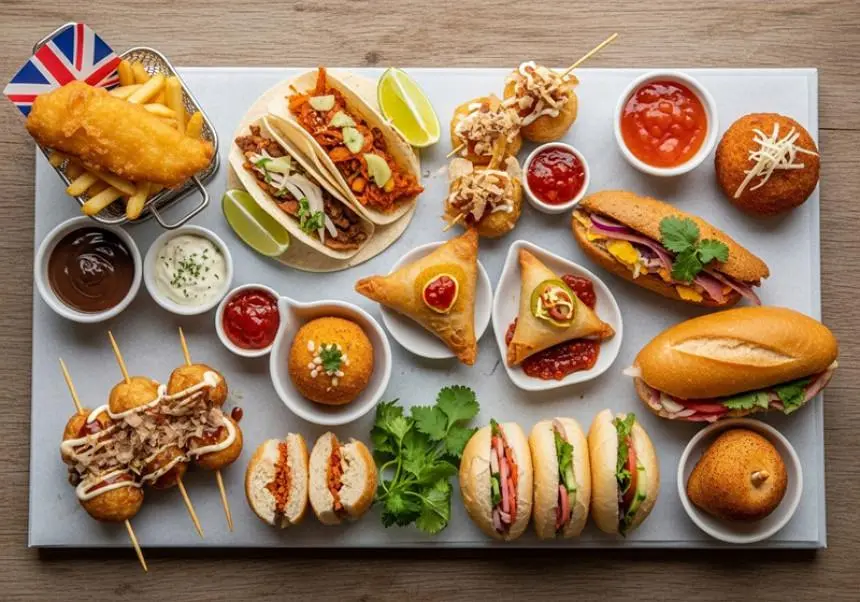
From Mexican birria tacos and Greek souvlaki to creative pasta dishes and loaded sandwiches, people are exploring flavours from around the world while adapting recipes to their own kitchens.
Recent food-trend coverage has highlighted the movement of global comfort food into home kitchens, while industry reports point to continuing interest in regional flavours, sharing plates and more engaging food experiences. (GenZ NewZ; The Caterer)
The trend raises an interesting question: why are home cooks increasingly interested in preparing dishes that once seemed easier to order from a restaurant?
Why Global Comfort Food Is Becoming Popular
People Want Restaurant Experiences at Home
Eating out can be expensive, and ordering food regularly may not suit every budget. Cooking an international dish at home gives people the opportunity to experiment with new flavours while controlling ingredients, portions and costs.
Social media also makes international recipes easier to discover. A short video can demonstrate how to prepare a sauce, assemble a wrap or recreate a restaurant-style meal.
Home cooking is becoming more than a daily necessity. For many people, it is also a hobby and a way to explore different cultures.
Familiar Food With an International Twist
The most appealing recipes often combine a familiar format with a new flavour.
A sandwich can be inspired by Korean seasoning. A potato dish can use Mexican spices. Pasta can feature ingredients traditionally associated with Southeast Asian cuisine.
This approach makes international food less intimidating because people can experiment without learning an entirely unfamiliar cooking method.
Birria Tacos Bring Mexican Street Food Home
The Appeal of Slow-Cooked Meat and Rich Flavour
Birria is a Mexican dish traditionally associated with slow-cooked meat and a deeply flavoured broth. Birria tacos are often prepared with meat, tortillas and the cooking liquid served for dipping.
Their appeal comes from the contrast between a crisp tortilla, tender filling and rich broth.
For home cooks, the dish can be adapted to available ingredients and cooking equipment. A pressure cooker or slow cooker may help with preparation, while mushrooms or other suitable fillings can be used for vegetarian versions.
The key is to build flavour carefully rather than relying only on a spicy sauce.
Why This Dish Works for Social Meals
Birria tacos are naturally suited to sharing. The filling, tortillas, toppings and dipping broth can be served separately, allowing everyone to assemble their own tacos.
That makes the dish a good fit for family dinners, weekend cooking and small gatherings.
Greek Souvlaki Makes Everyday Meals More Interesting
Simple Ingredients, Strong Flavours
Souvlaki is a Greek dish built around grilled pieces of meat, commonly served with pita bread, vegetables, sauces or other accompaniments.
Its appeal lies in its straightforward structure: a well-seasoned filling, fresh vegetables, a soft bread and a flavourful sauce.
Home cooks can use chicken, paneer or vegetables depending on their preferences. Yogurt-based sauces, lemon, garlic and herbs can help create a Mediterranean-inspired meal.
Unlike recipes requiring specialised equipment, a basic version can be prepared using a regular pan or grill.
The Rise of Build-Your-Own Meals
Souvlaki also reflects the popularity of meals that diners can customise.
One person may prefer extra vegetables, another may want more sauce, and someone else may choose a vegetarian filling.
This flexible format is useful for households with different tastes and makes international food easier to adapt to local ingredients.
Pasta Is Becoming a Creative Home-Cooking Canvas
Beyond Traditional Recipes
Pasta remains one of the easiest ways to experiment with international flavours.
Home cooks can use familiar pasta shapes while exploring ingredients such as roasted vegetables, herbs, chilli, cheese, mushrooms and regional spice blends.
The goal does not have to be recreating a restaurant recipe exactly. It can be about finding a combination that works with ingredients already available at home.
A simple tomato sauce can be transformed with roasted peppers, while garlic, herbs and vegetables can bring extra depth to a basic pasta meal.
Why Short Videos Influence Food Choices
Pasta dishes are easy to demonstrate visually. Viewers can see the sauce thickening, cheese melting and ingredients coming together in a pan.
This makes pasta especially suitable for short recipe videos and step-by-step cooking content.
However, a visually appealing recipe still needs to work in practice. Clear measurements, realistic cooking times and straightforward instructions are more useful than complicated techniques designed only for video.
India Has Its Own Version of This Trend
Global Inspiration Meets Indian Kitchens
Indian households already have a long tradition of adapting recipes.
Sandwiches can feature chutneys and Indian spices. Wraps can use paneer tikka or leftover sabzi. Pasta can be prepared with chilli, garlic and vegetables familiar to Indian cooking.
The same approach can be used with global comfort foods.
Examples include:
- Paneer souvlaki wraps: grilled paneer, vegetables and a yogurt-based sauce.
- Indian-inspired tacos: spiced chickpeas or chicken with onions and fresh chutney.
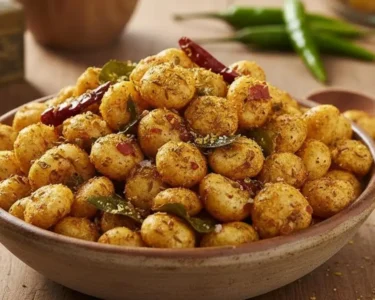
- Masala roasted potatoes: crisp potatoes with chilli, coriander and cumin.
- Vegetable birria-style tacos: a plant-based filling served with a richly seasoned dipping broth.
- Fusion pasta bowls: pasta with roasted vegetables, herbs and a balanced spice blend.
These are creative adaptations rather than traditional versions of the original dishes.
Local Ingredients Make Experimentation Easier
Home cooks do not need to buy every imported ingredient featured in a recipe video.
Seasonal vegetables, locally available herbs, homemade sauces and familiar spices can provide a practical starting point.
This also allows recipes to be adjusted according to budget, dietary preferences and the ingredients available in a particular region.
Is Home Cooking Becoming More Premium?
Better Ingredients Matter More Than Complicated Techniques
The growing interest in restaurant-style home cooking does not mean every meal needs expensive equipment or specialty products.
A well-seasoned vegetable, freshly prepared sauce or properly cooked filling can make a simple dish memorable.
Recent foodservice trend reporting also highlights the value of quality ingredients, contrasting textures and sharing-friendly formats in creating more engaging meals. (The Caterer)
For home cooks, the practical lesson is simple: choose one or two elements to improve rather than making every part of a recipe complicated.
What This Trend Means for Food Businesses
Ready-to-Cook Products Could Benefit
As people experiment with international food at home, there may be opportunities for food businesses to offer convenient products such as marinades, spice blends, cooking sauces, flatbreads and ready-to-assemble meal kits.
The most useful products will make unfamiliar dishes easier to prepare without requiring consumers to purchase many separate ingredients.
Restaurants can also use this interest to introduce customers to regional dishes and offer selected sauces or cooking kits for home use.
These are potential business opportunities, not a guarantee that every international recipe or product will become popular.
Conclusion
The new comfort-food movement shows how easily food cultures can travel from one kitchen to another.
Birria tacos, Greek souvlaki and creative pasta dishes offer different flavours, but they share one important feature: they can be adapted to suit everyday cooking.
For Indian households, this trend offers a chance to explore international recipes while making practical use of local ingredients and familiar spices.
For food businesses, it creates opportunities to make global cooking more accessible through convenient products, clear recipes and flexible meal formats.
The future of comfort food may not be about choosing between restaurant dining and home cooking. It may be about bringing the best ideas from both into the same kitchen.
Follow Us On Instagaram