 By
By AI PCs Enter a New Era: Why NVIDIA RTX Spark Is Trending in October 2026
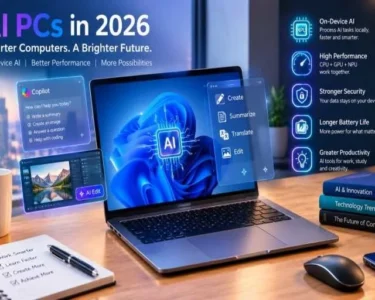
The computer industry is entering another major transformation as artificial intelligence becomes a central part of personal computing. One of the biggest computer trends this October is the arrival of NVIDIA RTX Spark-powered Windows PCs, which combine CPU, GPU and AI capabilities into a new type of computer platform.
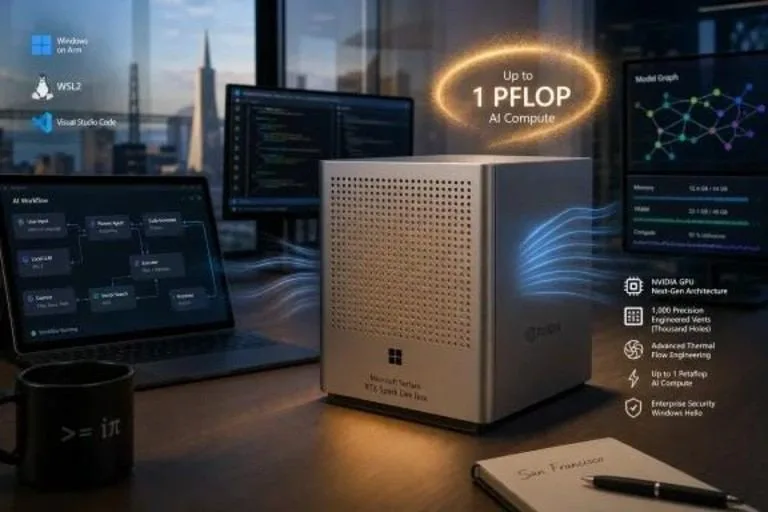
NVIDIA first unveiled its new PC-focused chip earlier this year, positioning it as a way to bring powerful AI capabilities directly into personal computers. The company is now moving closer to real-world availability, with RTX Spark systems expected to arrive during October 2026. Recent reports indicate that Lenovo and Acer are among the manufacturers preparing computers based on the new platform.
A New Approach to AI Computing
Traditional computers generally separate the CPU and graphics processor, with each component handling different types of workloads. NVIDIA’s RTX Spark approach is different. The platform combines an Arm-based CPU with Blackwell-generation graphics technology and unified memory.
This design is particularly interesting for AI applications because AI models can require large amounts of memory and computing power. Instead of treating AI as something that only happens in the cloud, the new generation of computers is designed to perform more AI tasks directly on the device.
That could make computers more useful for users who work with AI assistants, image generation, video production, software development and other demanding applications.
Why Unified Memory Matters
One of the most interesting technologies behind RTX Spark is unified memory. In a conventional computer, the CPU and GPU typically use different memory resources. A unified-memory architecture allows the processor and graphics hardware to access a shared pool of memory.
Reports on the RTX Spark platform indicate configurations reaching as high as 128GB of unified memory, making the technology particularly interesting for AI developers and professional users working with large models.
For everyday consumers, the benefits may not immediately be obvious. However, developers, creators and researchers could potentially use larger AI models locally without depending as heavily on cloud-based processing.
AI, Gaming and Creative Workloads
The new generation of AI PCs is not designed only for artificial intelligence. Gaming remains an important part of the PC market, while content creators increasingly need powerful hardware for video editing, 3D rendering and visual effects.
NVIDIA’s platform is especially interesting because it combines its graphics technology with its established AI software ecosystem. NVIDIA has spent years developing technologies for graphics processing and AI, making its move into complete PC platforms significant for the computer industry.
The company is therefore entering a market traditionally dominated by processors from Intel, AMD, Qualcomm and Apple’s own silicon. Reuters reported when NVIDIA introduced the new chip that it would compete directly with these established players in personal computing.
Competition Is Heating Up
The arrival of RTX Spark comes at a time when competition in AI PCs is already intensifying. Qualcomm’s Snapdragon X2 processors, Intel’s latest Core Ultra chips and AMD’s Ryzen AI platforms are all targeting computers capable of running AI workloads locally.
Recent testing reported by Windows Central showed Qualcomm’s 18-core Snapdragon X2 Elite performing strongly against competing Intel and AMD systems in CPU, AI and battery-related workloads. However, that comparison also highlighted an important point: modern laptop performance depends on the complete system, including price, cooling, display, battery and software optimization.
This means consumers will have more choices when purchasing an AI-focused computer. Instead of simply comparing CPU clock speeds or GPU specifications, buyers may increasingly compare AI performance, neural-processing capabilities, memory architecture and power efficiency.
What This Means for the Future of Computers
The biggest change may be that AI is becoming a standard feature rather than a premium extra. Manufacturers are designing computers around AI from the beginning, rather than simply adding AI software to traditional hardware.
This trend could lead to smarter personal assistants, faster creative applications, local AI processing and better productivity tools. It could also reduce the need to send certain tasks to remote cloud servers, potentially improving responsiveness and privacy for some workloads.
October 2026 could therefore become an important moment for the evolution of the PC. With NVIDIA RTX Spark systems arriving, Qualcomm strengthening its Windows position and Intel and AMD continuing to develop AI-focused processors, the competition is moving beyond traditional PC performance.
The future computer may not simply be faster—it may be more intelligent, more capable of processing AI locally and increasingly designed around the way people interact with artificial intelligence.