


 By
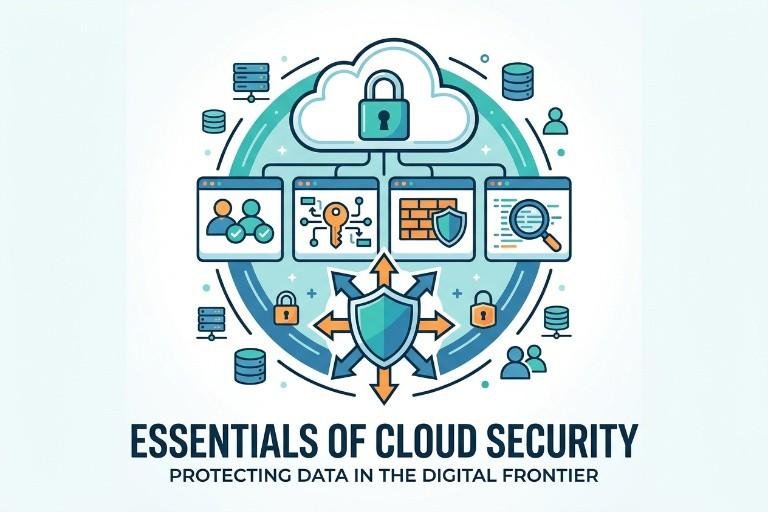
By Cloud Security in 2026: Safeguarding Data, Applications, and Cloud Infrastructure
Cloud computing has revolutionized the way businesses operate, store data, and deliver digital services. From startups to global enterprises, organizations increasingly rely on cloud platforms to host applications, manage workloads, and support remote collaboration. While cloud technology offers flexibility, scalability, and cost efficiency, it also introduces new cybersecurity challenges.
In 2026, cyberattacks targeting cloud environments are becoming more sophisticated and frequent. Data breaches, ransomware attacks, unauthorized access, and cloud misconfigurations continue to threaten organizations worldwide. This growing risk has made cloud security a critical priority for businesses of all sizes.
Cloud security focuses on protecting data, applications, and services hosted on cloud platforms from cyber threats while ensuring secure and reliable digital operations.
What is Cloud Security?
Cloud security refers to the collection of technologies, policies, and security practices designed to protect cloud-based infrastructure, applications, and information. It covers both technical and administrative controls that prevent unauthorized access, data loss, and service disruption.
Cloud security applies across different cloud environments, including:
- Public cloud
- Private cloud
- Hybrid cloud
- Multi-cloud infrastructure
Its primary goal is to maintain three important security principles:
- Confidentiality – keeping sensitive data private
- Integrity – ensuring information remains accurate and unaltered
- Availability – ensuring systems and services remain accessible
Organizations implement cloud security to reduce risks while maintaining business continuity and customer trust.
Why Cloud Security Matters
As organizations move sensitive information to cloud platforms, attackers increasingly focus on exploiting cloud vulnerabilities. Weak passwords, unsecured APIs, poor access controls, and human error often create opportunities for cybercriminals.
A successful cloud attack can lead to:
- Data theft
- Financial losses
- Operational downtime
- Regulatory penalties
- Reputation damage
- Customer trust issues
Because cloud environments are highly connected and accessible from anywhere, businesses must adopt stronger cybersecurity measures to secure digital assets.
Cloud security not only protects information but also supports business resilience and long-term digital growth.
Cloud Encryption: Protecting Sensitive Information
Encryption remains one of the most powerful cloud security tools. It converts readable data into encrypted code that can only be accessed using authorized decryption keys.
Even if attackers intercept or steal encrypted information, they cannot easily read or misuse the data.
Cloud encryption generally protects:
Data at Rest
This refers to stored information such as databases, cloud storage files, and backups.
Data in Transit
This protects data while moving between users, applications, and cloud servers.
Encryption is especially important for protecting:
- Customer records
- Financial transactions
- Healthcare information
- Intellectual property
- Business documents
Modern cloud providers offer built-in encryption services, helping organizations strengthen security without significant operational complexity.
Identity and Access Management (IAM)
Identity and Access Management (IAM) is another essential pillar of cloud security. IAM determines who can access cloud resources and what actions they are permitted to perform.
Without proper access controls, organizations risk insider threats, compromised credentials, and unauthorized data exposure.
IAM security practices include:
- User authentication
- Role-based access control
- Multi-factor authentication (MFA)
- Permission management
- Login monitoring and auditing
For example, developers may require access to application servers while finance teams only access billing information. This role-based model limits unnecessary privileges and reduces risk.
Many organizations now follow the Principle of Least Privilege, where users receive only the minimum access necessary to perform their duties.
In 2026, Zero Trust security models are becoming increasingly popular, requiring continuous identity verification regardless of user location or device.
Monitoring Cloud Infrastructure for Breaches
Cloud environments are dynamic and constantly changing, making continuous monitoring essential for cybersecurity.
Threat monitoring helps organizations detect suspicious activity before attackers can cause serious damage.
Cloud monitoring systems identify:
- Unauthorized login attempts
- Abnormal network traffic
- Malware activity
- Configuration changes
- Data access anomalies
- Potential insider threats
Security Information and Event Management (SIEM) tools and AI-powered monitoring platforms help analyze massive amounts of cloud activity in real time.
These systems automatically generate alerts, allowing security teams to respond quickly and minimize operational disruption.
Modern cloud monitoring has shifted from reactive security to proactive threat detection and prevention.
Emerging Trends in Cloud Security
Cloud security continues evolving to match increasingly advanced cyber threats.
Major cloud security trends in 2026 include:
AI-Powered Threat Detection
Artificial intelligence identifies unusual behavior and predicts attacks faster than traditional tools.
Zero Trust Architecture
Every user and device must continuously verify identity before accessing resources.
Multi-Cloud Security Management
Organizations using multiple cloud providers require centralized security visibility.
DevSecOps Integration
Security is now embedded directly into software development and deployment processes.
Automated Compliance Monitoring
Businesses use automated tools to maintain regulatory compliance and reduce human error.
These innovations help organizations improve security while maintaining operational agility.