


 By
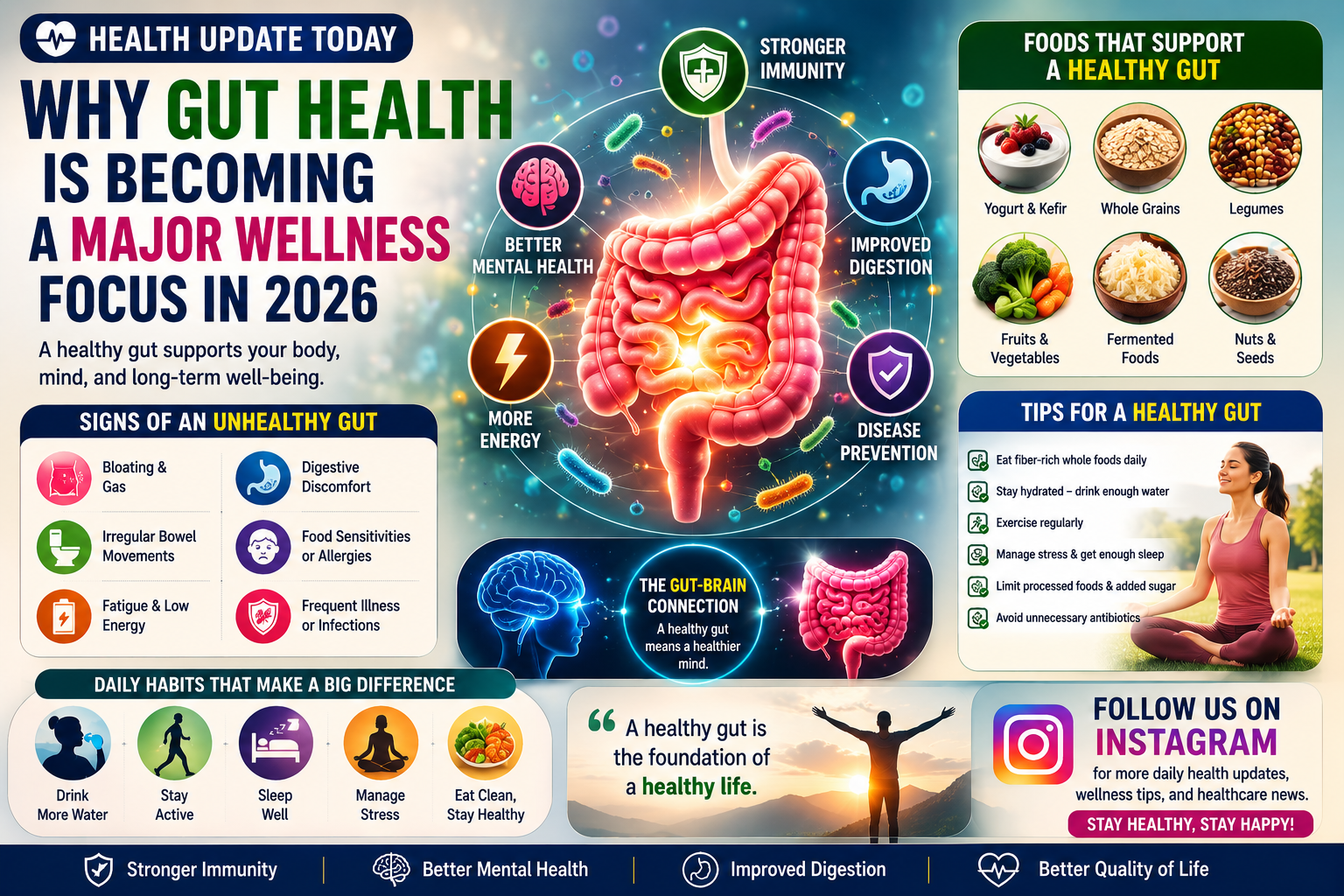
By Health experts are placing greater emphasis on gut health in 2026 as new research continues to reveal its connection to overall well-being. The digestive system does more than process food—it plays a crucial role in immunity, mental health, energy levels, and disease prevention.
The gut contains trillions of microorganisms, collectively known as the gut microbiome. These bacteria, fungi, and other microbes help digest food, absorb nutrients, and support the body’s natural defenses. When the balance of these microorganisms is disrupted, it can affect multiple aspects of health.
One of the reasons gut health is gaining attention is its strong connection to the immune system. Experts estimate that a significant portion of the body’s immune activity is linked to the digestive tract. A healthy gut may help the body respond more effectively to infections and inflammation.
Researchers are also exploring the relationship between gut health and mental well-being. The gut and brain communicate through a network often referred to as the “gut-brain axis.” Imbalances in gut bacteria may influence mood, stress levels, and cognitive function.
Poor dietary habits are among the leading causes of gut health issues. Diets high in processed foods, added sugars, and unhealthy fats can negatively affect the diversity of beneficial gut bacteria. On the other hand, fiber-rich foods help nourish healthy microorganisms.
Common signs of an unhealthy gut may include bloating, digestive discomfort, irregular bowel movements, fatigue, food sensitivities, and frequent illness. While these symptoms can have many causes, experts encourage individuals to pay attention to their digestive health.
Foods that support gut health include fruits, vegetables, whole grains, legumes, yogurt, kefir, and other fermented foods. These foods provide fiber and beneficial bacteria that can help maintain a healthy digestive system.
Regular exercise also plays an important role. Studies suggest that physical activity may promote a more diverse gut microbiome, which is associated with better overall health. Adequate sleep and stress management are equally important, as chronic stress can negatively affect digestive function.
Health professionals advise avoiding unnecessary antibiotic use, as antibiotics can disrupt beneficial gut bacteria. When prescribed, they should be used according to medical guidance.
As awareness continues to grow, gut health is expected to remain a major focus in preventive healthcare. By making simple lifestyle changes, individuals can support their digestive system and improve their overall quality of life.
Follow Us On Instagram for more daily health updates, wellness tips, and healthcare news.
Follow Us On Instagram