


 By
By Mobile Security in 2026: Protecting Smartphones, Tablets, and Apps from Cyber Threats
Mobile devices have become an essential part of modern life. Smartphones and tablets are no longer used only for communication—they now handle banking, shopping, healthcare, remote work, social networking, and business operations. As mobile technology continues to evolve, so does the amount of sensitive information stored on these devices.
However, the increasing reliance on mobile devices has also made them attractive targets for cybercriminals. Malware, phishing attacks, malicious applications, and data theft continue to threaten users worldwide. In 2026, mobile security has become a critical component of cybersecurity strategies for both individuals and organizations.
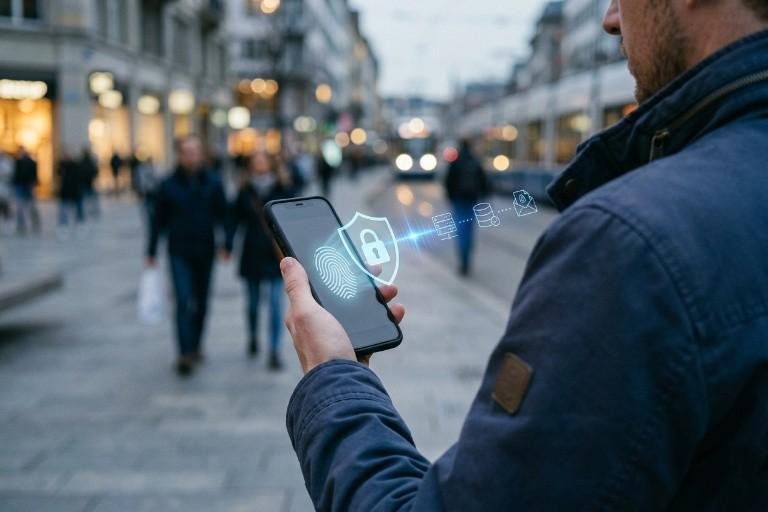
Mobile security focuses on protecting smartphones, tablets, mobile applications, and the data they process from cyber threats and unauthorized access.
What is Mobile Security?
Mobile security refers to the technologies, policies, and security practices used to safeguard mobile devices, applications, and networks. Its goal is to protect sensitive information while ensuring users can safely access digital services.
Mobile security covers several important areas, including:
- Device protection
- Application security
- Data encryption
- Secure authentication
- Malware prevention
- Network security
- Mobile device management (MDM)
These protections help reduce the risk of data breaches, identity theft, and unauthorized access.
Why Mobile Security Matters
Modern mobile devices store vast amounts of personal and business information, including:
Location data
Banking details
Emails and messages
Business documents
Login credentials
Healthcare information
If attackers gain access to a mobile device, they may steal sensitive information, impersonate users, or compromise connected systems.
Common mobile threats include:
- Malicious apps
- Mobile malware
- Phishing attacks
- Spyware
- Unsecured Wi-Fi networks
- Device theft
- Credential theft
Strong mobile security measures help protect users from these risks while maintaining privacy and business continuity.
App Sandboxing: Isolating Applications for Better Security
One of the most important mobile security features is app sandboxing. Sandboxing isolates each application from other apps and the operating system, limiting what it can access.
This approach helps prevent malicious applications from:
- Accessing sensitive files
- Reading data from other apps
- Modifying system settings
- Interfering with device operations
For example, a messaging app cannot automatically access banking application data unless explicit permission is granted.
Both Android and iOS use sandboxing techniques to improve security and reduce the impact of compromised applications.
As mobile threats become more sophisticated, sandboxing continues to play a crucial role in protecting user privacy and device integrity.
Mobile Antivirus and Threat Detection
Mobile malware has evolved significantly in recent years. Cybercriminals increasingly distribute malicious software through fake applications, phishing links, and infected downloads.
Mobile antivirus solutions help detect and remove threats before they can cause damage.
Key capabilities include:
Malware Detection
Identifies viruses, trojans, ransomware, and spyware.
Real-Time Monitoring
Continuously scans applications and files for suspicious behavior.
Safe Browsing Protection
Warns users about malicious websites and phishing attempts.
App Reputation Analysis
Evaluates application trustworthiness before installation.
Modern mobile security solutions now use artificial intelligence to identify emerging threats more accurately and respond faster to attacks.
Device Encryption: Protecting Data at Rest
Device encryption is one of the most effective ways to secure information stored on smartphones and tablets. Encryption converts readable data into an unreadable format that can only be accessed using authorized credentials.
Even if a device is lost or stolen, encrypted data remains protected.
Encryption safeguards:
- Photos and videos
- Documents
- Messages
- Passwords
- Financial information
- Business files
Most modern mobile operating systems enable encryption by default, providing strong protection against unauthorized access.
In enterprise environments, device encryption is often mandatory to meet regulatory and compliance requirements.
Secure Authentication and Identity Protection
Authentication is another critical aspect of mobile security. Weak passwords remain a common cause of unauthorized access and account compromise.
Modern mobile devices support multiple authentication methods, including:
Biometric Authentication
Uses fingerprints, facial recognition, or iris scanning to verify identity.
Multi-Factor Authentication (MFA)
Requires multiple verification methods before granting access.
Strong Password Policies
Encourages unique and complex passwords for user accounts.
Adaptive Authentication
Adjusts security requirements based on user behavior and risk levels.
Secure authentication significantly reduces the likelihood of credential theft and account takeover attacks.
In 2026, many organizations are adopting Zero Trust security principles that continuously verify user identity throughout a session.
Emerging Trends in Mobile Security
Mobile security continues to evolve as attackers develop more advanced techniques.
Key trends shaping mobile security in 2026 include:
AI-Powered Threat Detection
Artificial intelligence helps identify abnormal device behavior and emerging threats.
Mobile Zero Trust Security
Continuous verification of devices, users, and applications.
Secure Mobile Payments
Enhanced encryption and authentication for digital transactions.
Enterprise Mobile Management
Organizations use centralized platforms to manage and secure employee devices.
Privacy-Focused Mobile Security
Growing emphasis on protecting personal data and user privacy.
These innovations help strengthen defenses while supporting the growing mobile ecosystem.