 By
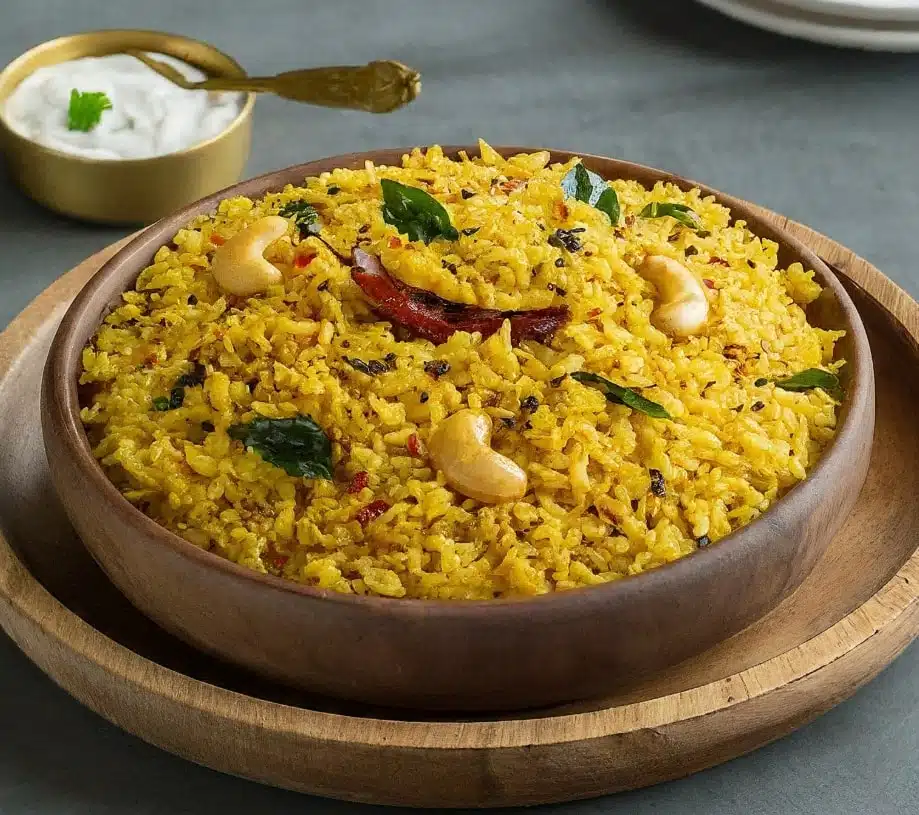
By Pulihora, also known as tamarind rice, is one of the most iconic dishes in South India, especially in Andhra Pradesh and Telangana. It is loved for its tangy, spicy, and slightly nutty flavor, making it a perfect comfort food as well as a festive offering. Pulihora is commonly prepared during festivals, poojas, and special occasions, and it is also served as prasadam in temples. The combination of tamarind pulp, aromatic tempering, and perfectly cooked rice creates a dish that is both simple and deeply satisfying.
🌾 Ingredients Required
To prepare authentic pulihora, you will need the following ingredients:
For rice:
- 2 cups raw rice
- 4 cups water
- 1 teaspoon oil
- Salt (as needed)
For pulihora paste:
- Lemon-sized tamarind (soaked in warm water)
- 2–3 tablespoons oil
- 1/2 teaspoon turmeric powder
- Salt to taste
- 1 tablespoon jaggery (optional, for balance)
For tempering:
- 3 tablespoons oil
- 1 teaspoon mustard seeds
- 1 teaspoon chana dal
- 1 teaspoon urad dal
- 2–3 dried red chilies
- 2 green chilies (slit)
- 8–10 curry leaves
- 1/4 teaspoon asafoetida (hing)
- 2 tablespoons peanuts
- 1 tablespoon sesame seeds (optional)
🍚 Step 1: Cooking the Rice
Start by washing the rice thoroughly and soaking it for about 15–20 minutes. Cook the rice with water and a teaspoon of oil. The rice should be cooked so that each grain is separate and not mushy. Once cooked, spread the rice on a wide plate and allow it to cool completely. This step is important because hot rice can turn pulihora sticky.
🍯 Step 2: Preparing Tamarind Extract
Soak tamarind in warm water for about 15 minutes. Extract the thick pulp by squeezing it well and straining out the fibers. The tamarind extract should be tangy and slightly thick, as it forms the base flavor of pulihora.
🍳 Step 3: Preparing Pulihora Paste
Heat 2–3 tablespoons of oil in a pan and add turmeric powder. Pour in the tamarind extract and cook it on medium flame. Add salt and jaggery (if using) to balance the sourness. Let the mixture cook until it thickens and the raw smell of tamarind disappears. The paste should become slightly oily and concentrated. This pulihora paste can also be stored in advance and used later.
🌶️ Step 4: Tempering (Tadka)
In another pan, heat oil and add mustard seeds. Once they splutter, add chana dal and urad dal and fry until golden brown. Add peanuts and fry until crunchy. Then add dried red chilies, green chilies, curry leaves, and asafoetida. Finally, add sesame seeds if you like a nutty flavor.
The tempering is what gives pulihora its signature aroma and crunch.
🍲 Step 5: Mixing Everything
Take the cooled rice in a large mixing bowl. Add the prepared tamarind paste and mix gently so that the rice grains do not break. Now pour the hot tempering over the rice and mix again thoroughly. Ensure that the tamarind mixture coats every grain evenly.
Taste and adjust salt if needed.
⏳ Step 6: Resting Time
Allow the pulihora to rest for at least 30 minutes before serving. This resting time helps the rice absorb all the flavors, making it more delicious.
🍽️ Serving Suggestions
Pulihora is best enjoyed at room temperature. It pairs well with:
- Papad (appadam)
- Curd (yogurt)
- Pickles
It is also perfect for lunch boxes, travel food, and festive offerings.
💡 Tips for Perfect Pulihora
- Always cool the rice before mixing.
- Use gingelly oil (sesame oil) for authentic taste.
- Adjust tamarind and jaggery to balance sourness and sweetness.
- Do not skip curry leaves and asafoetida—they add depth of flavor.
- Roast peanuts separately if you prefer extra crunch.
🌟 Why Pulihora is Special
Pulihora is more than just a dish—it carries cultural and emotional significance. In many South Indian households, it is prepared during festivals like Ugadi, Dasara, and Sankranti. It is also a staple prasadam in temples because it stays fresh for a long time without refrigeration.
The beauty of pulihora lies in its simplicity. With minimal ingredients and easy steps, you can create a dish that bursts with flavor. Its tangy taste, combined with crunchy peanuts and aromatic spices, makes it irresistible.
Whether you are cooking for a festival, a family gathering, or just a regular day, pulihora is always a great choice. Once you master this recipe, it will surely become one of your go-to comfort foods.
Follows Us On Instagram