


 By
By In an age dominated by cybersecurity threats and digital transformation, it’s easy to overlook the importance of physical security. Yet, the reality is simple: even the most advanced digital systems can be compromised if physical safeguards are weak. Physical security forms the first line of defense in protecting people, property, and sensitive information from unauthorized access, damage, or theft.
At its core, physical security refers to the tangible measures used to secure a facility. These include tools, systems, and personnel designed to prevent or respond to physical threats. While often seen as traditional, physical security has evolved significantly, integrating with modern technologies to create smarter and more responsive protection systems.
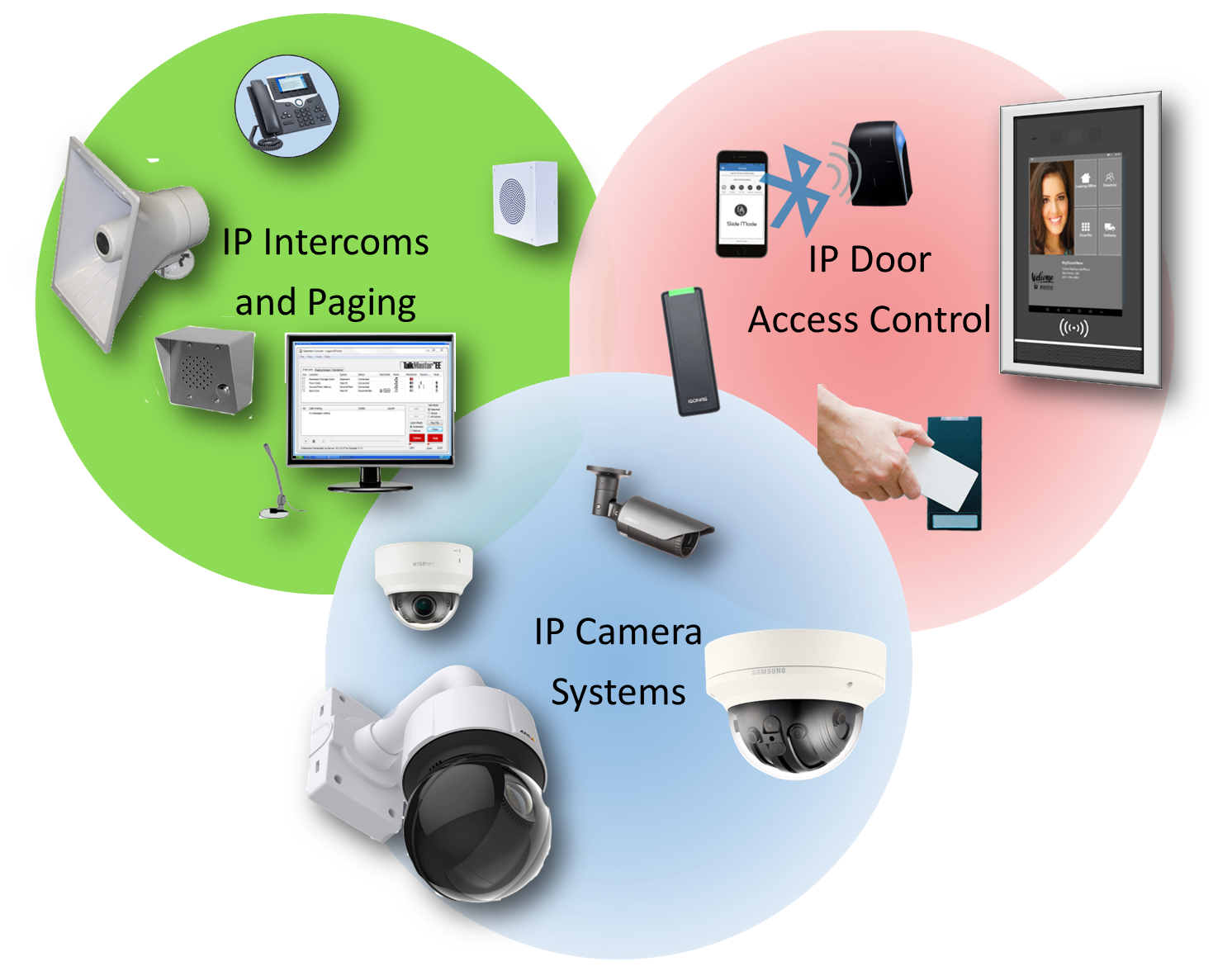
One of the most basic yet essential elements of physical security is locks and access control systems. Traditional locks have now been supplemented—or even replaced—by electronic access systems such as keycards, PIN-based entry, and smart locks. These systems not only restrict access but also track who enters and exits a facility, adding a layer of accountability. When combined with biometric authentication, such as fingerprint or facial recognition, access control becomes even more secure and difficult to bypass.
Another critical component is the presence of security personnel. Security guards serve as both a deterrent and a rapid response force. Their physical presence alone can discourage unauthorized activity, while their training enables them to handle emergencies effectively. In high-risk environments such as banks, airports, and corporate offices, guards often work alongside surveillance systems to ensure comprehensive monitoring.
Speaking of surveillance, CCTV cameras have become a cornerstone of modern physical security. Today’s cameras are far more advanced than their predecessors. With features like high-definition recording, night vision, motion detection, and even AI-based threat recognition, CCTV systems can monitor large areas in real time and alert authorities instantly when suspicious activity is detected. They also serve as valuable tools for investigation, providing recorded evidence in case of incidents.
Equally important are fire alarms and detection systems, which protect against one of the most unpredictable threats: fire. These systems are designed to detect smoke, heat, or flames and alert occupants immediately. In many cases, they are integrated with sprinkler systems and emergency protocols to minimize damage and ensure safe evacuation. Regular maintenance and testing of fire alarm systems are crucial, as even a small malfunction can lead to severe consequences.
Perimeter security, such as fences, gates, and barriers, plays a vital role in preventing unauthorized access before it even reaches a building. These measures define boundaries and act as the first obstacle for intruders. Modern perimeter security may include motion sensors, infrared detection, and automated gates, making it much more sophisticated than simple physical barriers.
One of the fastest-growing trends in physical security is the use of biometric systems. By relying on unique human characteristics—like fingerprints, iris patterns, or facial features—biometrics offer a highly secure method of authentication. Unlike passwords or access cards, biometric data cannot be easily lost, stolen, or duplicated. This makes it particularly useful in sensitive areas such as data centers, research labs, and government facilities.
What makes physical security truly effective today is its integration with digital systems. For example, a smart security system can combine CCTV feeds, access logs, and alarm triggers into a centralized dashboard. This allows security teams to monitor everything in real time and respond quickly to any anomalies. The rise of IoT (Internet of Things) has further enhanced this integration, enabling devices to communicate and automate responses without human intervention.
Despite these advancements, organizations often underestimate the importance of maintaining physical security. A single weak point—such as an unlocked door or a malfunctioning camera—can expose an entire system to risk. That’s why regular audits, employee awareness, and continuous upgrades are essential.
In conclusion, while cybersecurity continues to dominate headlines, physical security remains equally critical. It provides the foundation upon which digital security systems operate. From locks and guards to CCTV and biometrics, each component plays a unique role in creating a safe and secure environment. As threats continue to evolve, so too must our approach to physical security—combining traditional methods with modern technology to stay one step ahead.