

 By
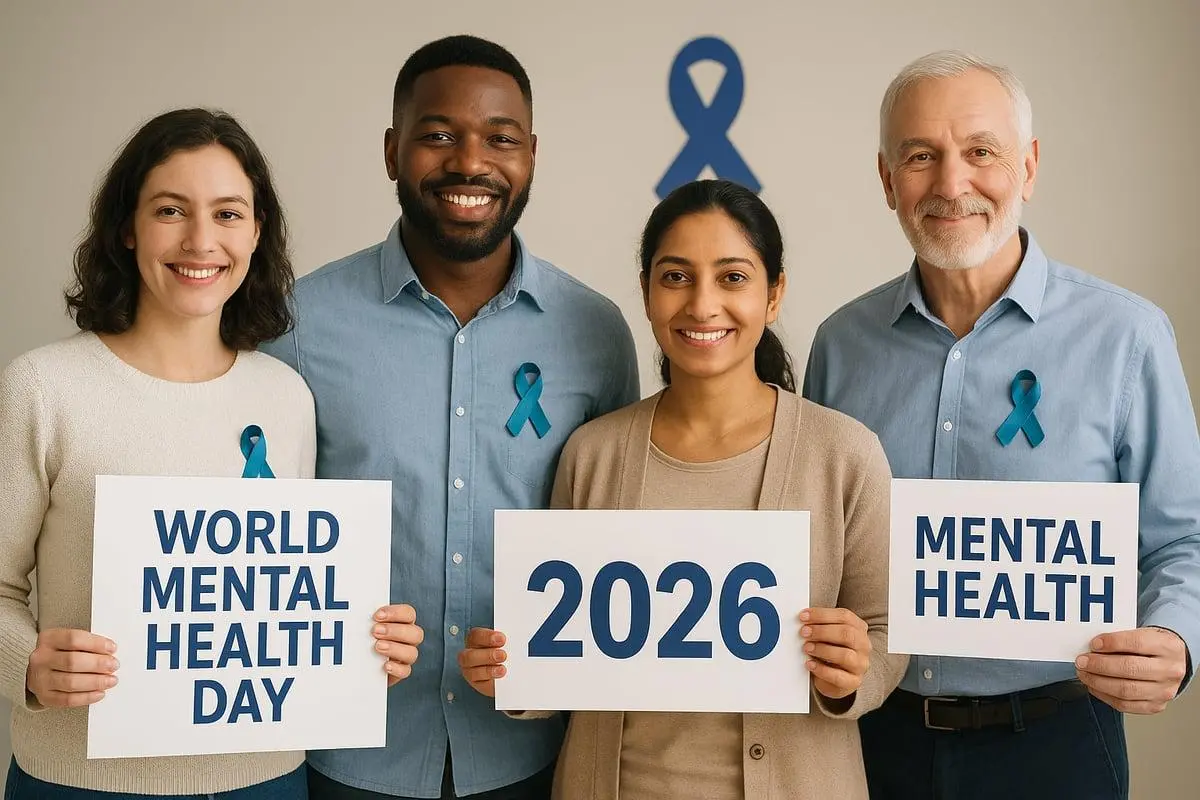
By Mental health is becoming an increasingly important part of overall health. As World Mental Health Day approaches on 10 October 2026, the World Health Organization is focusing on a powerful message: people who have experienced mental-health challenges should not only be listened to—they should have a meaningful role in shaping mental-health services and policies.
🌍 This Year’s WHO Theme
The 2026 theme is:
“Lived experiences heard: real voices, real change.”
WHO says people with lived experience can provide valuable knowledge about what works, what barriers exist and what needs to change in mental-health systems.
The focus is shifting from simply talking about people with mental-health conditions to working with them when designing services and support.
💭 Why Mental Health Deserves More Attention
Mental health affects how people handle stress, work, learn, maintain relationships and participate in everyday life.
WHO reports that anxiety and depression are among the most common mental-health conditions worldwide. Mental-health problems can affect people of any age and background.
However, stigma can stop people from asking for help.
Feeling stressed, emotionally exhausted, persistently sad or unable to manage daily activities should not automatically be dismissed as something a person simply needs to “get over.”
🗣️ Talking Can Be Part of the Solution
A supportive conversation can make a difference.
Simple actions can help:
- Listen without immediately judging or giving advice.
- Give people space to explain how they feel.
- Avoid phrases that minimize their experience.
- Encourage professional help when problems persist.
- Stay connected with family, friends or trusted people.
- Take regular breaks from overwhelming routines.
Mental health support should be respectful, confidential and appropriate to the person’s needs.
🏠 Moving Toward Community-Based Mental Health Care
WHO is also highlighting the importance of moving away from isolated, institution-based approaches toward community-based, person-centred mental-health care.
The goal is to help people receive appropriate support while remaining connected to their families, communities, education and work whenever possible. WHO is launching practical guidance related to this transition around World Mental Health Day 2026.
❤️ Small Daily Habits That Support Mental Well-Being
Mental wellness is not about being happy every day. It also involves having healthy ways to manage difficult emotions and everyday stress.
Helpful habits include:
- Getting consistent sleep.
- Staying physically active.
- Spending time with supportive people.
- Eating regular, balanced meals.
- Taking breaks from continuous screen use.
- Practising relaxation or mindfulness.
- Making time for hobbies and enjoyable activities.
- Seeking professional support when needed.
These habits cannot replace treatment for a mental-health condition, but they can support overall well-being.
🚨 When Should You Seek Professional Help?
Consider speaking with a qualified mental-health professional if emotional or psychological difficulties are:
- Persistent or getting worse.
- Affecting sleep or appetite.
- Interfering with work, studies or relationships.
- Causing significant anxiety or sadness.
- Making everyday activities difficult.
- Creating thoughts of self-harm or suicide.
If someone is in immediate danger or has thoughts of self-harm, seek urgent local emergency or crisis support rather than trying to handle the situation alone.
🌿 Today’s Health Takeaway
Mental health is health.
This World Mental Health Day season, the message is not simply to “listen” to people experiencing mental-health challenges. It is to listen seriously, involve them in decisions and turn their experiences into meaningful change.
A healthier society begins when people can talk about mental health without shame—and when their voices genuinely influence the care they receive.
This article is for general health awareness and does not replace advice from a qualified healthcare professional.
Follow Us On Instagaram