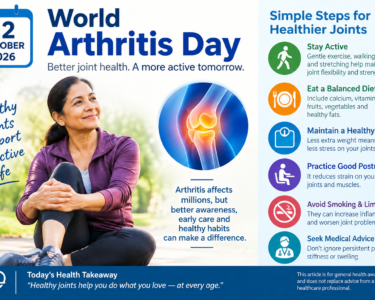
By
By Introduction
Health in 2026 is no longer just about avoiding illness—it’s about optimizing physical, mental, and emotional well-being. With advancements in technology, increased awareness of lifestyle diseases, and a stronger focus on preventive care, people are adopting smarter and more personalized approaches to health. This year highlights a shift toward holistic wellness, combining fitness, nutrition, mental health, and digital tools.
1. Rise of Preventive Healthcare
Preventive healthcare has become a major focus in 2026. Instead of treating diseases after they occur, individuals are actively working to prevent them through regular health check-ups, early screenings, and lifestyle changes. Conditions like diabetes, hypertension, and heart disease are being managed better through early detection.
Health awareness campaigns and accessible diagnostic tools are encouraging people to monitor their health regularly. This shift not only improves quality of life but also reduces long-term medical costs.
2. Smart Fitness and Wearable Technology
Technology is playing a huge role in health management. Wearable devices like smartwatches and fitness trackers now monitor heart rate, sleep patterns, oxygen levels, and even stress levels in real time. These tools help individuals understand their bodies better and make informed decisions.
AI-powered fitness apps are also gaining popularity. They provide personalized workout plans, track progress, and adjust routines based on performance. This makes fitness more accessible and effective for beginners and professionals alike.
3. Nutrition Trends: Back to Basics
In 2026, people are moving away from extreme diets and focusing on balanced nutrition. Whole foods—like fruits, vegetables, whole grains, and lean proteins—are taking center stage.
There is also a growing interest in:
- Plant-based diets
- Organic and locally sourced foods
- Reduced sugar and processed food intake
Hydration and mindful eating are equally emphasized. Instead of quick fixes, people are choosing sustainable eating habits that support long-term health.
4. Mental Health Takes Priority
Mental health is now recognized as equally important as physical health. Stress, anxiety, and burnout are common in today’s fast-paced world, leading to increased focus on mental wellness.
Practices like meditation, yoga, and mindfulness are widely अपनించిన (adopted). Digital detox—reducing screen time and social media usage—is also becoming popular. Many workplaces are now encouraging mental health breaks and wellness programs.
Therapy and counseling are more accessible than ever, helping individuals manage emotional challenges effectively.
5. Importance of Sleep and Recovery
Sleep is no longer overlooked. Research in recent years has shown that quality sleep is essential for overall health. Poor sleep can affect immunity, mental clarity, and energy levels.
In 2026, people are:
- Following consistent sleep schedules
- Reducing screen exposure before bedtime
- Using sleep-tracking apps to improve rest
Recovery is also emphasized in fitness routines, with rest days and relaxation techniques becoming part of daily schedules.
6. Personalized Healthcare
One of the biggest trends in 2026 is personalized healthcare. With the help of data and technology, individuals receive customized health plans based on their genetics, lifestyle, and medical history.
This includes:
- Personalized diet plans
- Customized workout routines
- Tailored medical treatments
This approach ensures better results and a more efficient healthcare solutions.
Conclusion
Health in 2026 is about balance, awareness, and personalization. People are becoming more proactive about their well-being, using technology and knowledge to lead healthier lives. By focusing on preventive care, mental wellness, proper nutrition, and smart fitness, individuals can achieve a sustainable and fulfilling lifestyle.
The future of health is not just about living longer—it’s about living better.
Follow Us On Instagram