


 By
By Description:
A new wellness report is drawing attention to a very common urban habit: eating dinner very late at night. The issue is particularly noticeable among working professionals in Hyderabad, where long commutes, work schedules and late-night routines can push the final meal well beyond 10 PM.
What is the new health trend?
- The India Wellness Index 2026 analysed more than 3.5 million de-identified readings from over 30,000 users across India.
- The report examined areas including metabolic, cardiovascular and respiratory wellness.
- According to reporting on the study, around 54% of users nationally consumed their last large meal after 9 PM.
- In Hyderabad, the reported figure was even higher among working professionals, with nearly 64% having their last meal after 10 PM.
Why are late dinners getting attention?
- Eating late is often connected with modern urban routines:
- Long office hours
- Traffic and commuting
- Late meetings
- Screen time
- Irregular sleep schedules
- Evening caffeine
- Lack of physical activity after meals
- The problem is not simply that someone eats at 9 or 10 PM once in a while.
- The bigger concern is making very late, heavy dinners a regular daily pattern.
What did the wellness data show?
- The report found that nights with later large meals were followed by:
- Lower sleep scores
- Higher next-morning glucose trends compared with individuals’ own baselines
- This does not mean that eating late automatically causes disease.
- The findings are better understood as an association between late eating and certain wellness measurements.
- Individual factors such as meal composition, sleep duration, exercise, age and existing health conditions also matter.
Why Hyderabad professionals may be particularly affected
- Hyderabad’s expanding IT, business and services sectors have created work patterns that often extend into the evening.
- Traffic and long commutes can further delay dinner.
- A professional may finish work at 8–9 PM, reach home later, and then have a large meal shortly before going to bed.
- This creates a routine where eating, relaxation and sleep become compressed into a short period.
The bigger lifestyle connection
Late dinner is only one part of the pattern.
- Long sitting: Office work and commuting can reduce daily movement.
- Late caffeine: Coffee or energy drinks consumed late can interfere with sleep.
- Low post-meal activity: People may go directly from dinner to bed or screen time.
- Poor recovery: Short or irregular sleep can affect overall wellbeing.
- Large portions: When dinner is delayed, people may arrive home extremely hungry and eat more than intended.
The EYVA report identified several of these behaviours together among users with poorer wellness scores.
What can people realistically change?
A practical approach is more useful than trying to completely redesign someone’s lifestyle.
- Try to make dinner earlier when work schedules allow.
- Avoid making the final meal of the day unnecessarily heavy.
- Include vegetables, protein and fibre rather than relying primarily on refined carbohydrates.
- Take a short, comfortable walk after dinner when appropriate.
- Reduce unnecessary late-night caffeine.
- Maintain a relatively consistent sleeping schedule.
- Avoid immediately lying down after a large meal.
These are general lifestyle measures, not substitutes for medical advice.
Is early dinner automatically healthier?
Not necessarily.
- Health cannot be determined by dinner time alone.
- Someone eating at 9:30 PM may still have a healthy overall diet, adequate sleep and regular exercise.
- Conversely, someone eating at 7 PM can still have poor nutrition and an unhealthy lifestyle.
- The overall pattern matters more than one isolated habit.
This distinction is important because wellness trends can easily turn into overly simplistic social-media rules.
India’s wider health challenge
India is simultaneously dealing with different forms of nutritional and metabolic risk.
- New reporting based on NFHS-6 highlights the coexistence of rising overweight/obesity concerns and continued low-BMI/undernutrition concerns.
- That means there is no single diet or lifestyle recommendation that works equally for everyone.
- Age, income, occupation, activity level and existing health conditions all influence nutritional needs.
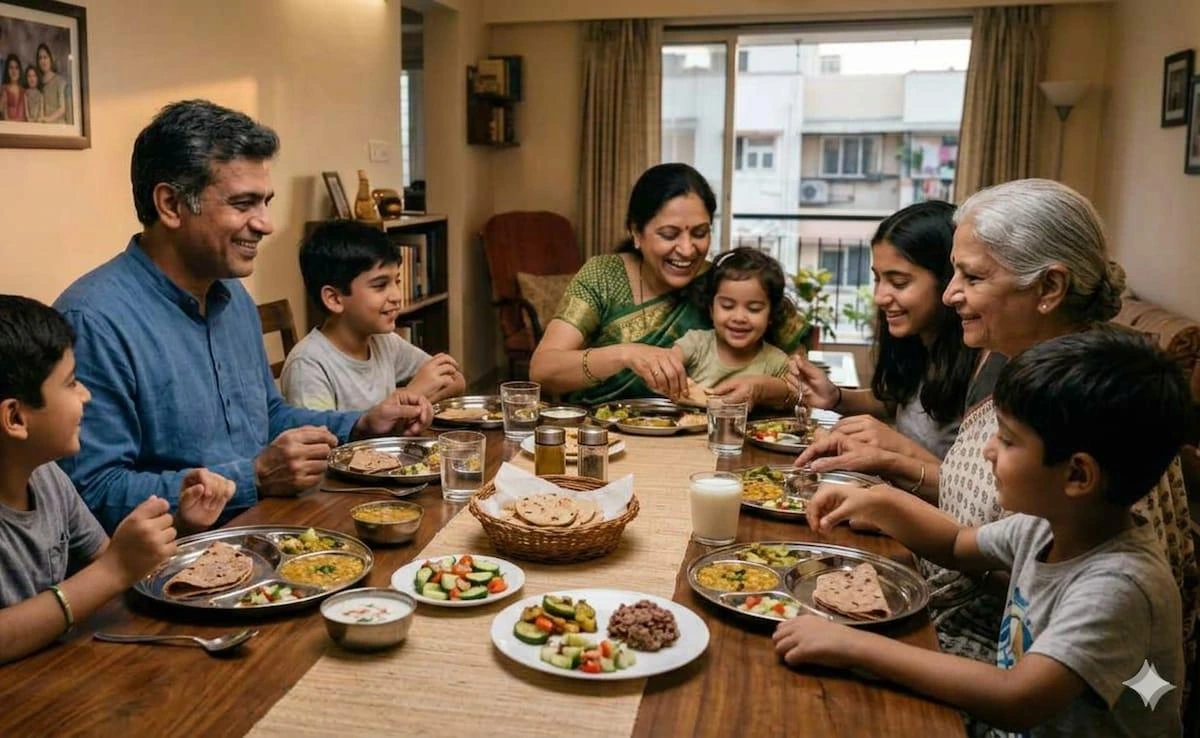
What this means for families
- Dinner timing can become a family-wide routine.
- Parents working late may eat separately from children.
- Young professionals may depend on food delivery late at night.
- Students may combine studying, screen time and late meals.
- Simple household changes—such as planning dinner earlier and keeping late-night meals lighter—can make routines easier to manage.
Strong takeaway
The Hyderabad late-dinner trend is less about “never eat after 9 PM” and more about recognising how modern schedules affect sleep, movement and eating habits.
A healthier routine is not necessarily about following one perfect rule. It is about building a consistent pattern where food, activity, sleep and recovery work together.
For people with diabetes, digestive conditions, pregnancy, eating disorders, or other medical concerns, meal timing should be discussed with a qualified healthcare professional rather than following a generic online rule.
Follow Us On Instagaram