

 By
By 1. Preparing the Dough
Take a large mixing bowl and add whole wheat flour. Add salt if using. Gradually pour water little by little and start mixing the flour with your fingers. Do not add all the water at once—this helps you control the consistency.
Once the flour starts coming together, knead it into a soft dough. Press and fold the dough using the heel of your palm. Continue kneading for about 8–10 minutes until the dough becomes smooth and elastic. Soft dough is the key to soft chapathis.
Add a few drops of oil or ghee and knead again briefly. This step helps keep the chapathis soft for a longer time.
2. Resting the Dough
Cover the dough with a damp cloth or lid and let it rest for at least 20–30 minutes. Resting relaxes the gluten, making the dough easier to roll and resulting in softer chapathis.
3. Dividing and Shaping
After resting, knead the dough once again lightly. Divide it into small equal-sized balls (about lemon-sized). Roll each ball between your palms to make it smooth.
Flatten the ball slightly and dust it with dry flour. This prevents sticking while rolling.
4. Rolling the Chapathi
Using a rolling pin (belan), gently roll the dough ball into a thin circle of about 6–7 inches in diameter. Try to keep the thickness even so that it cooks uniformly.
Do not press too hard while rolling. Gentle and even strokes help achieve a soft texture.
5. Cooking the Chapathi
Heat a tawa (flat pan) on medium-high heat. Place the rolled chapathi on the hot tawa.
- Once small bubbles appear, flip it.
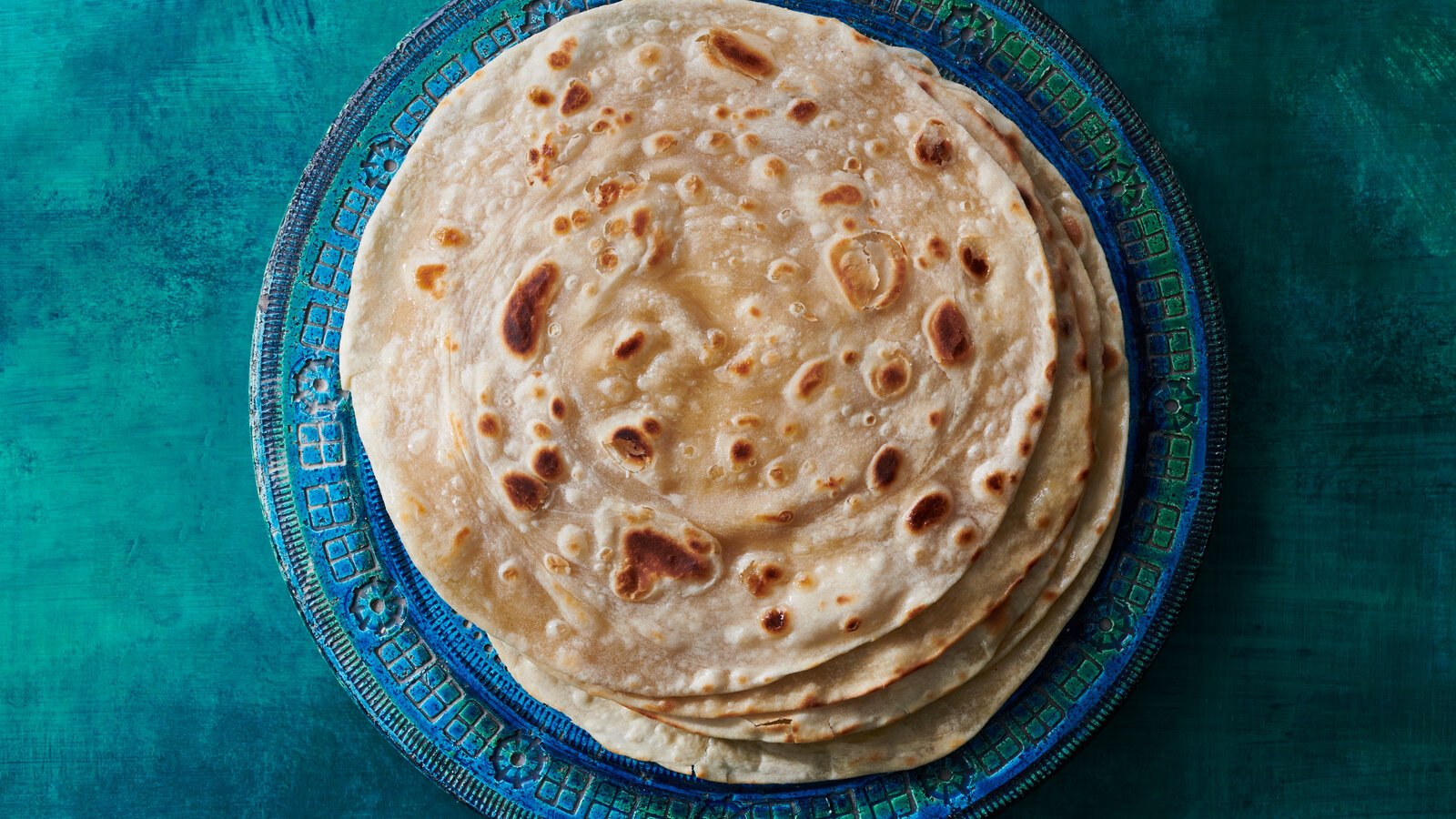
- Cook the second side until light brown spots appear.
- Flip again and gently press with a cloth or spatula—the chapathi will puff up if the dough is well prepared.
You can optionally apply a little ghee or butter on top for extra flavor.
6. Storing
Keep the cooked chapathis in a covered container or wrap them in a cloth to retain softness. Serve hot for the best taste.
🌿 Variations of Chapathi
1. Butter Chapathi
After cooking, apply butter or ghee generously. This makes the chapathi rich and flavorful, perfect for kids.
2. Masala Chapathi
Add spices like turmeric, chili powder, cumin, or chopped coriander leaves to the dough. This enhances taste and adds variety.
3. Vegetable Chapathi
Mix grated vegetables like carrot, spinach, or beetroot into the dough. This makes the chapathi more nutritious and colorful.
4. Multigrain Chapathi
Replace part of the wheat flour with other flours like jowar, bajra, or ragi for a healthier version.
🔥 Tips for Perfect Chapathi
- Always use good quality whole wheat flour.
- Knead the dough well—this is the most important step.
- Resting the dough is essential for softness.
- Use medium-high heat while cooking; low heat makes chapathis hard.
- Do not overcook; it can make them dry.
- Store properly to maintain softness.
🥗 Serving Suggestions
Chapathi pairs well with a wide variety of dishes:
- Vegetable curries like aloo curry, paneer butter masala, or mixed veg
- Dal (lentils) such as dal tadka or dal fry
- Non-vegetarian dishes like chicken curry or egg masala
- Simple accompaniments like curd, pickle, or chutney
💡 Common Mistakes to Avoid
- Hard Dough: Too little water makes chapathis stiff.
- Sticky Dough: Too much water makes rolling difficult.
- Uneven Rolling: Leads to uneven cooking.
- Low Heat Cooking: Results in dry, hard chapathis.
- Skipping Resting Time: Makes dough tight and hard to roll.
🧾 Conclusion
Chapathi is more than just a staple food—it’s a comfort meal in many Indian households. With the right balance of ingredients and proper technique, anyone can master the art of making soft and fluffy chapathis. Whether you enjoy it plain, with butter, or paired with a spicy curry, chapathi remains a wholesome and satisfying dish.
Once you practice a few times, you’ll be able to prepare perfect chapathis quickly and effortlessly. So roll up your sleeves, grab your rolling pin, and start cooking!
Follow Us Instagram