 By
By Network Security in 2026: Protecting Digital Communications from Modern Cyber Threats
In today’s connected world, every organization depends on secure network communication to conduct business. From cloud applications and remote work to online banking and digital collaboration, networks serve as the foundation of modern technology. However, as businesses become more connected, cybercriminals continue to develop sophisticated attacks that target network infrastructure. In 2026, Network Security remains one of the most critical components of a comprehensive cybersecurity strategy.
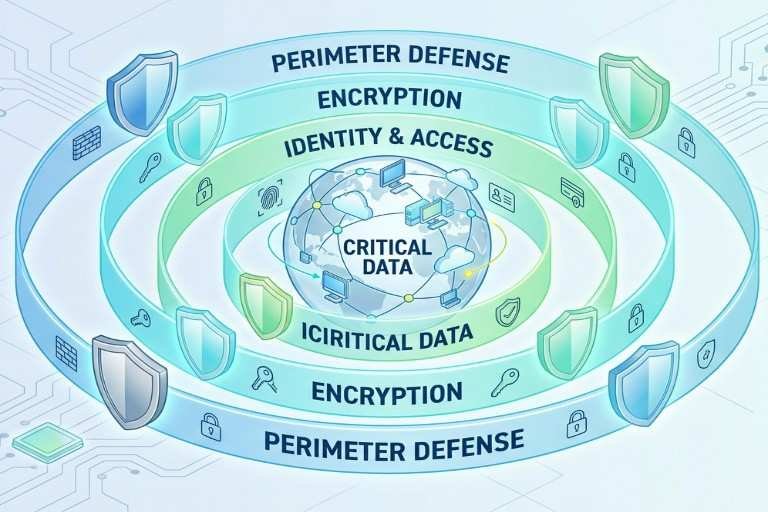
Network Security is the practice of protecting internal and external network communications from unauthorized access, cyberattacks, and data breaches. It combines advanced technologies, security policies, and continuous monitoring to ensure that data remains confidential, accurate, and available. By implementing multiple layers of defense, organizations can reduce vulnerabilities and maintain secure communication across their digital environments.
Why Network Security Matters
Every digital interaction depends on secure network connections. Whether employees access cloud applications, customers make online purchases, or organizations transfer sensitive information, network security protects these communications from malicious actors.
Without proper security controls, organizations may face:
- Data breaches.
- Malware and ransomware attacks.
- Unauthorized network access.
- Distributed Denial-of-Service (DDoS) attacks.
- Data interception and eavesdropping.
- Insider threats.
A successful attack can result in financial losses, service interruptions, regulatory penalties, and damage to an organization’s reputation. Strong network security minimizes these risks while supporting business continuity.
Firewalls: The First Line of Defense
Firewalls remain one of the most essential network security tools. Acting as a barrier between trusted internal networks and external internet traffic, firewalls monitor and filter data based on predefined security policies.
Modern Next-Generation Firewalls (NGFWs) provide advanced capabilities such as:
- Traffic filtering.
- Application awareness.
- Malware detection.
- Threat intelligence integration.
- Access control management.
By inspecting incoming and outgoing traffic, firewalls help block unauthorized connections and prevent cyber threats from entering organizational networks.
As networks become more complex, intelligent firewalls continue to play a vital role in protecting business infrastructure.
IDS and IPS: Detecting and Preventing Attacks
While firewalls filter traffic, organizations also need technologies capable of identifying suspicious network activity.
Intrusion Detection Systems (IDS)
IDS solutions continuously monitor network traffic for unusual behavior and known attack signatures. When suspicious activity is detected, alerts are generated so security teams can investigate.
Intrusion Prevention Systems (IPS)
IPS solutions go one step further by automatically blocking malicious traffic before it can impact systems or compromise sensitive data.
The advantages of IDS and IPS include:
- Real-time threat detection.
- Faster incident response.
- Improved visibility across network activity.
- Protection against evolving cyber threats.
Many modern IDS/IPS platforms use artificial intelligence and machine learning to improve detection accuracy while reducing false alarms.
Network Segmentation: Reducing the Attack Surface
Network segmentation is one of the most effective methods for limiting the spread of cyberattacks. It involves dividing a large network into smaller, isolated segments based on business functions or security requirements.
Examples include:
- Separating employee and guest Wi-Fi networks.
- Isolating finance and HR departments.
- Protecting data centers with dedicated network zones.
- Separating Industrial IoT devices from corporate systems.
Benefits of network segmentation include:
- Reduced lateral movement by attackers.
- Improved access control.
- Better compliance with security regulations.
- Simplified monitoring and management.
Combined with Zero Trust principles, segmentation significantly strengthens overall network security.
Secure Wi-Fi and VPNs for Safe Connectivity
Wireless connectivity has become essential for modern businesses, making Wi-Fi security a top priority.
Organizations should secure wireless networks by:
- Using WPA3 encryption.
- Creating strong passwords.
- Disabling unnecessary network services.
- Monitoring wireless traffic regularly.
For remote employees, Virtual Private Networks (VPNs) provide encrypted communication channels between users and organizational resources.
VPNs offer several important benefits:
- Secure remote access.
- Protection on public Wi-Fi networks.
- Encrypted data transmission.
- Enhanced privacy for users.
As hybrid work environments continue to expand, secure Wi-Fi and VPN technologies remain essential for protecting distributed workforces.
Emerging Network Security Trends in 2026
The network security landscape continues to evolve with new technologies and security approaches.
AI-Powered Threat Detection
Artificial intelligence enables faster identification of suspicious network behavior and supports automated incident response.
Zero Trust Networking
Organizations are adopting Zero Trust architectures that require continuous verification of users, devices, and applications before granting access.
Cloud-Native Network Security
As cloud adoption grows, businesses are implementing security solutions specifically designed for hybrid and multi-cloud environments.
Extended Detection and Response (XDR)
XDR platforms combine network, endpoint, cloud, and application security data to provide centralized visibility and faster threat detection.
Best Practices for Strengthening Network Security
Organizations can improve network protection by following these best practices:
- Deploy modern firewalls.
- Implement IDS and IPS technologies.
- Segment networks based on security requirements.
- Secure Wi-Fi with strong encryption.
- Use VPNs for remote access.
- Monitor network activity continuously.
- Apply software updates and security patches regularly.
- Conduct routine vulnerability assessments.
A layered defense strategy provides the strongest protection against evolving cyber threats.