

 By
Introduction: Why World Polio Day Matters
World Polio Day is observed every year on 24 October to raise awareness about poliomyelitis, commonly known as polio. It highlights the importance of vaccination, public health awareness, and continued efforts to protect children from this preventable disease.
Polio is a viral disease that primarily affects the nervous system. It can cause permanent paralysis, and severe cases can be life-threatening. Although vaccination has greatly reduced polio worldwide, the disease has not been eradicated everywhere.
World Polio Day reminds families, healthcare professionals, and communities that continued vaccination and disease surveillance are essential to protecting future generations.
What Is Polio?
Polio is caused by poliovirus and spreads mainly through the faecal–oral route, often through contaminated water or food. In some circumstances, it can also spread through contact with infected secretions.
The infection can affect people of different ages, particularly those who are not fully vaccinated.
Important facts about polio include:
- It is a highly infectious viral disease.
- Some infected people may have no noticeable symptoms.
- In other cases, symptoms can include fever, tiredness, headache, or muscle pain.
- A small proportion of infections can affect the nervous system and cause paralysis.
- There is no specific cure for polio, but vaccination can prevent the disease.
Why Is Polio Vaccination Important?
Vaccination is the most effective way to prevent polio. Polio vaccines help the body develop protection against poliovirus and play a central role in global eradication efforts.
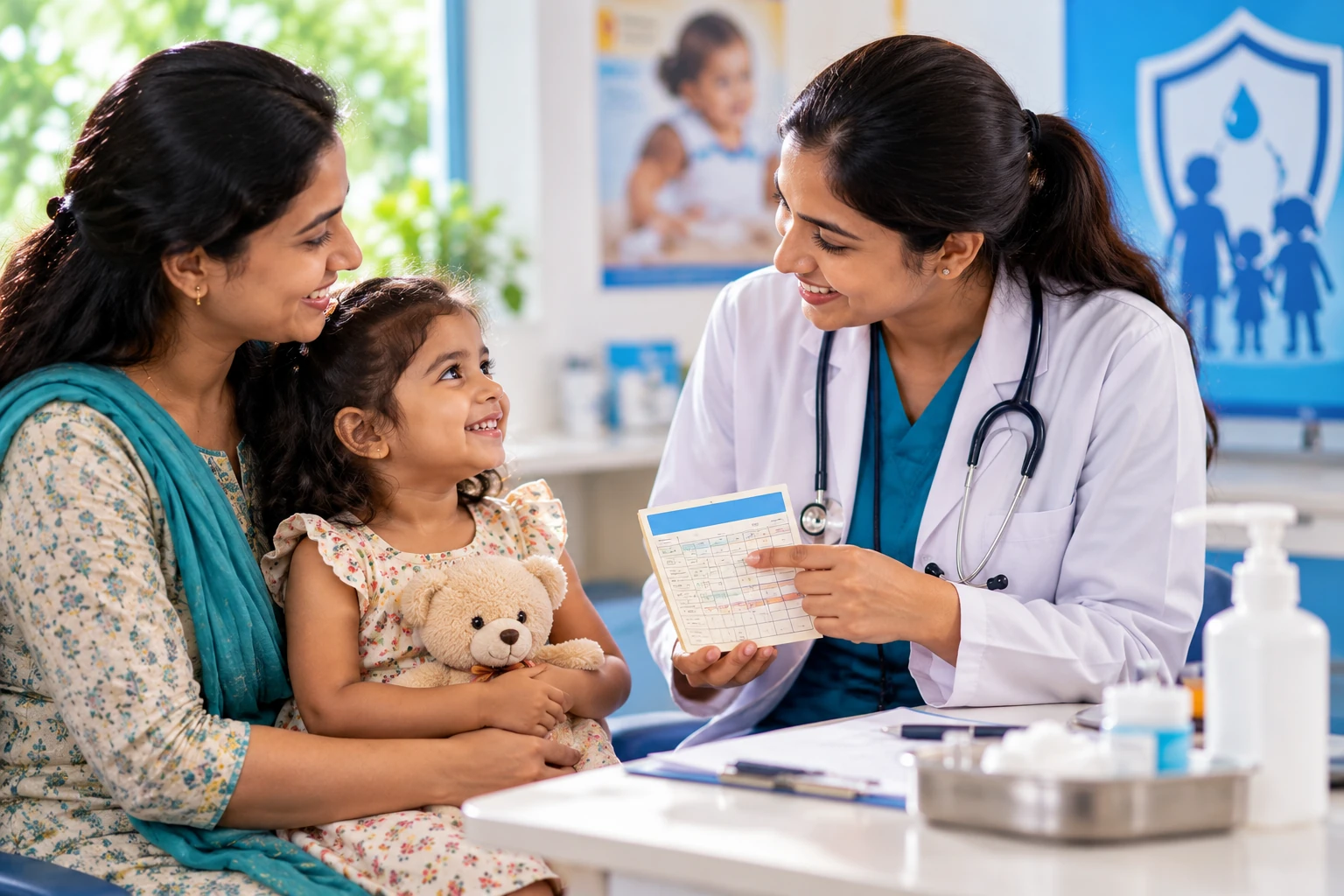
Children should receive polio vaccines according to the national immunisation schedule recommended by their healthcare provider.
The benefits of vaccination include:
- Individual protection: Helps protect vaccinated children against polio.
- Community protection: High vaccination coverage reduces opportunities for the virus to spread.
- Prevention of disability: Preventing infection helps avoid polio-related paralysis.
- Support for eradication: Vaccination programmes help prevent the virus from returning to communities where it has been eliminated.
Parents and caregivers should keep vaccination records and consult a healthcare professional if they are unsure whether a child has received all recommended doses.
How Can Families Help Prevent Polio?
Preventing polio requires both vaccination and continued public health efforts.
Here are some important steps:
- Ensure children receive recommended polio vaccinations on time.
- Follow official immunisation campaign announcements.
- Drink safe, clean water.
- Wash hands with soap after using the toilet and before preparing or eating food.
- Maintain proper sanitation and hygiene.
- Seek medical advice if a child develops concerning symptoms.
- Follow public health guidance during any local disease alert.
Good hygiene supports disease prevention, but it does not replace vaccination.
Is Polio Still a Global Health Concern?
Yes. Although many countries have eliminated locally circulating wild poliovirus, the global eradication effort continues because poliovirus can still circulate in affected areas and cross borders.
Health authorities use vaccination campaigns, laboratory testing, environmental surveillance, and case monitoring to identify and respond to potential outbreaks.
Maintaining high vaccination coverage is important even in places where polio has not been detected for many years. International cooperation remains essential because infectious diseases do not respect national borders.
For current information, readers can consult the World Health Organization and UNICEF.
The Role of Parents, Schools, and Communities
Protecting children from polio is a shared responsibility. Parents can maintain vaccination records, schools can help communicate verified health information, and community organisations can support awareness programmes.
Healthcare workers also play an important role by answering questions, administering vaccines, and helping families understand the recommended immunisation schedule.
Communities should rely on information from qualified healthcare professionals and official public health authorities rather than unverified social media posts.
Conclusion: A Future Free From Polio
World Polio Day is a reminder that public health progress depends on continued action. Vaccination, safe sanitation, reliable health information, and community participation all contribute to protecting children from polio.
Although tremendous progress has been made, the goal of a polio-free world requires continued commitment. Families can contribute by keeping children’s vaccinations up to date and following guidance from trusted healthcare professionals.
Every child deserves protection from preventable diseases. Together, communities can support the global effort to end polio.
Follow Us On Instagaram